Craft beer choosing guide: Understanding 2,416 US breweries
"The craft beer movement is more than a simple change in taste; it is a shift in how we value the art of brewing."
Choosing the right brew involves understanding the history and scale of the industry. This guide explores the evolution of the craft beer market, the reasons behind its rapid growth, and how to navigate the diverse selection available today.
Key takeaways: 1. Understanding the scale of craft breweries helps contextualize market presence. * Definitions and industry standards shape what consumers recognize as craft. * Historical context and cultural recognition highlight the depth of brewing traditions.
Why choose craft beer?

A person stands before a wooden tap handle, contemplating the vast array of flavors available at a local pub. This moment represents the fundamental reason for the craft beer choosing guide: the desire for diversity and specialized production.
The industry has expanded significantly from its early stages. According to the Brewers Association, in March 2013, a total of 2,416 US breweries were in operation, with 2,360 considered craft breweries. This included 1,124 brewpubs, 1,139 microbreweries, and 97 regional craft breweries.
This massive scale provides a wide variety of styles for enthusiasts.
The growth of craft beer benefits the consumer through constant innovation and local availability. While mass-produced beers offer consistency, craft brewers often focus on unique profiles. This variety ensures that a beer tasting journey remains engaging and fresh for regular drinkers.
What is my perfect beer? Craft beer choosing guide
Late at night, I lift the heavy glass to the light to study the golden hue of my perfect craft pour. A consumer holds a glass to the light, observing the clarity and color of a freshly poured amber ale. Finding your beer match requires knowing how the industry defines its products.
The definition of what constitutes a quality brew has evolved over time. In March 2014, the Brewers Association (B.A.) updated the definition of craft beer to remove any references to the use of adjuncts in the brewing process. This change helped clarify the identity of the craft segment.
Understanding these nuances allows for a better craft beer experience. By knowing how brewers define their craft, drinkers can better navigate labels and flavor profiles. This knowledge helps in selecting beers that align with specific personal preferences.
According to Association Members Committed To Striving for, the 2020 record includes 20%.
How big is this growth? A brewer looks out over a growing field of grain, reflecting on how much the industry has changed in a few decades. The sheer volume of production tells a story of shifting consumer habits.
According to the Association reported that craft beer production, the number of breweries grew from 2,000 in 2011 to 5,200 in 2016, meaning craft beer production doubled between 2011 and 2016.

The industry saw a massive surge in the number of producers over a relatively short period. The Brewers Association reported that craft beer production doubled between 2011 and 2016, with the number of breweries growing from 2,000 in 2011 to 5,200 in 2016.
This growth demonstrates the expanding popularity of independent brewing.
| Year | Number of Breweries |
|---|---|
| 2011 | 2,000 |
| 2016 | 5,200 |
I remember looking at these numbers and realizing how much the local landscape has changed. The rapid expansion means that local beer spots are becoming more common in many regions.
Exploring global beer culture
A traveler sits in a historic Belgian square, sipping a thick, traditional ale as people pass by. The history of beer is deeply intertwined with the cultures that produce it.
Beer is not just a beverage but a recognized part of human heritage in some regions. In 2016, UNESCO inscribed Belgian beer culture on their list of the intangible cultural heritage of humanity. This recognition highlights the deep-rooted traditions that brewers strive to honor.
Cultural significance often drives the passion behind craft beer. When a culture values its brewing traditions, it fosters an environment where unique styles can thrive. This global perspective enriches the overall experience for those exploring different beer cultures.
Navigating industry shifts
A business owner reviews paperwork during a quiet afternoon, noting how external factors can impact production. The movement has faced various challenges and shifts over the years.
According to the Alcohol and Tobacco Tax and Trade Bureau, craft beer producers faced an activity lull following the federal US government shutdown on October 1, 2013, due to the closure of the bureau.
Regulatory and political changes can create sudden hurdles for producers.
Following the federal US government shutdown on October 1, 2013, craft beer producers were forced into an activity lull due to the closure of the Alcohol and Tobacco Tax and Trade Bureau (TTB), an arm of the Treasury Department. Such events can temporarily disrupt the supply chain.
The movement also has internal goals for growth and market presence.
Association members committed to striving for a goal of 20 percent market share by 2020, and Gary Fish, owner of Deschutes Brewery and 2014 chair of the BA Board, explained: The 20-by-20 objective is an aspirational goal for our craft community, with an inspiring symmetry.
How to select a quality brew
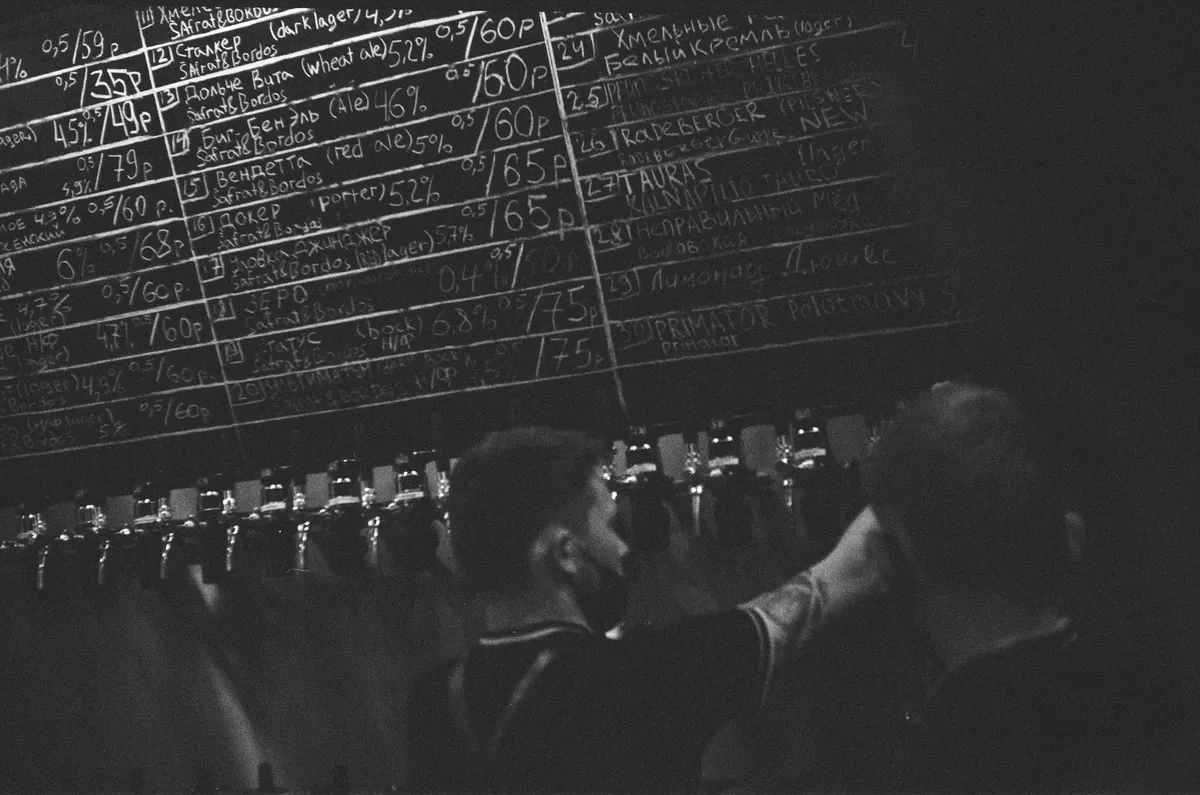
A shopper picks up a bottle from a refrigerated shelf, reading the label carefully to understand the ingredients. Selecting a great beer involves a systematic approach to tasting and understanding.
- Identify the style: Determine if you are looking for a light lager or a heavy stout to match your current mood. 2. Check the brewer's profile: Look for breweries that focus on specific styles or traditional methods. 3. Evaluate the ingredients: Use the updated industry definitions to understand the composition of the beer.
A final check involves tasting a small sample to ensure the flavor meets your expectations. This process ensures that every purchase contributes to a meaningful beer tasting journey.
- Why choose craft beer?
- What is my perfect beer?
- How big is this growth?
The same subject is also called Choosing craft beer.
Related
- New Alcohol Trends: Guide to Modern Drink How to Pour
- National Spirit History Taste: Tips on Global Alcohol Origin
Why is the journey through craft beer important?
The journey through craft beer is important because it mirrors the broader evolution of the industry itself. This journey allows consumers to trace the industry's journey from its early stages to its current diverse state.
The constant innovation seen in the market reflects the dedication of individual brewers to pushing boundaries.
The comparison between mass-produced and craft offerings highlights a key difference. While mass-produced beers prioritize uniformity, craft beer emphasizes unique flavor profiles achieved through specialized production methods.
This contrast underscores why a consumer might seek out a particular local establishment.
The scale of the industry, as evidenced by the number of breweries, illustrates the depth of this cultural appreciation. The growth trajectory shows a widespread adoption of independent brewing practices across various demographics.




Comments 0