5 Steps to Perfect Pairings: Food Meets Beverage Art
"Beyond mere intoxication, the perfect marriage of flavor between food and drink transforms a simple meal into a sophisticated sensory experience."
The right pairing turns a heavy meal into a balanced masterpiece and a light snack into a gourmet event. By understanding how flavors interact, you can elevate any dining experience from a basic necessity to a memorable occasion.
* Master the two primary methods: Congruent (matching) and Contrasting (balancing) pairings. * Learn how acidity, fat, and salt dictate the success of a pairing. * Understand how to match the intensity of a drink to the weight of a dish. * Prioritize quality and flavor over volume to ensure a sophisticated experience.

What is Food and Alcohol Pairing and Why Does It Matter?
The candlelight flickers against a crystal glass as a waiter places a plate of seared scallops next to a chilled bottle of white wine. You take a bite of the buttery seafood, followed by a sip of the crisp liquid, and suddenly the flavors bloom in ways they didn't when eaten separately.
Beyond the palate, there is a psychological element to this practice. A well-curated pairing elevates the dining experience from a necessity to an event. It turns a Tuesday night dinner into a celebration.
Furthermore, the concept of "palate cleansing" allows certain drinks to prepare the tongue for the next bite, ensuring every mouthful feels as fresh as the first.
How do we actually decide which bottle goes with which plate?
As of 2025, the art of pairing has evolved from rigid rules to a more intuitive lifestyle choice. Understanding these relationships allows you to elevate a simple meal into a memorable event. Mastering these basics ensures you can navigate any menu with confidence.
Should I use congruent or contrasting pairings? A heavy wooden table sits between two friends; one is eating a rich, creamy risotto while the other enjoys a light, citrusy cocktail. They are exploring two entirely different ways to approach the relationship between flavor and liquid.
Congruent pairing, often called the "like-with-like" approach, involves matching similar flavor profiles. If you are eating a buttery Chardonnay, a creamy pasta makes sense because the textures and flavors reinforce one another.
This method also involves matching intensity: heavy, hearty foods should be paired with full-bodied drinks, while light snacks belong with light spirits. A classic example is pairing a smoky Islay Scotch with smoked meats or pungent blue cheese to lean into the shared intensity.
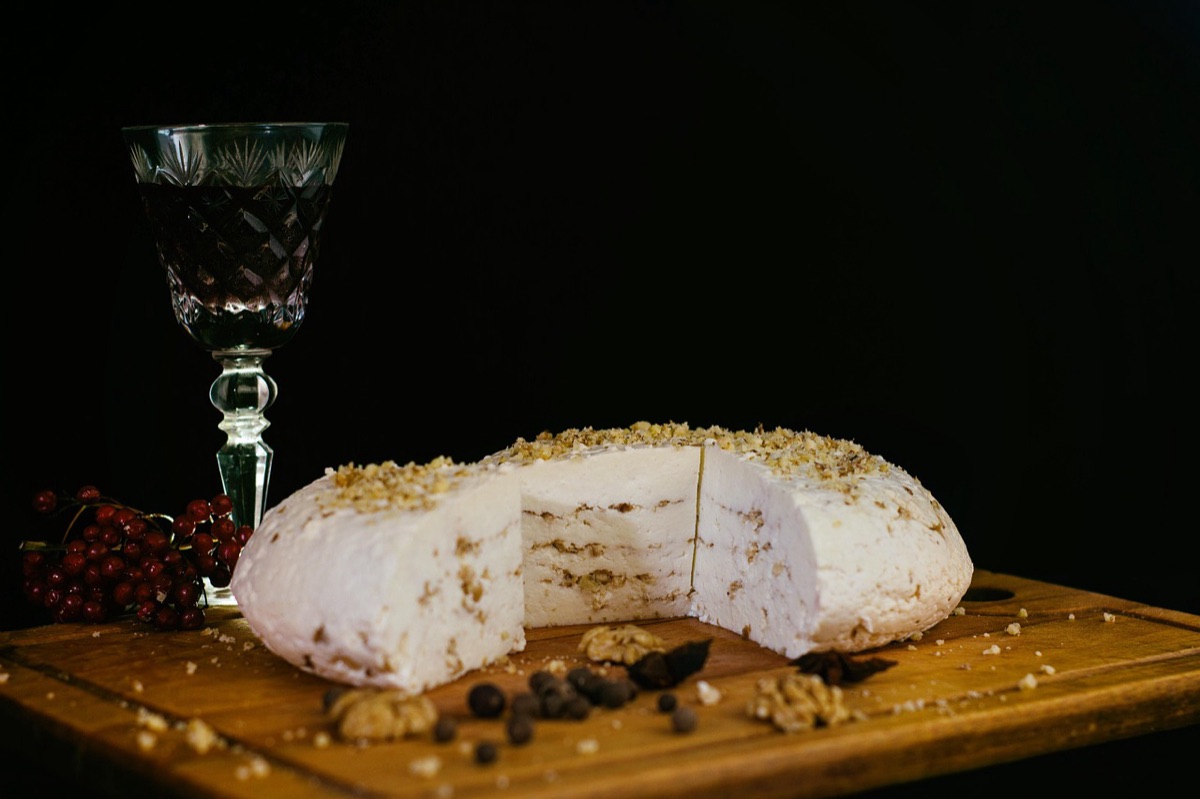
Contrasting pairing is the "balance" approach, where you use opposing flavors to create equilibrium. Think of a sweet dessert wine being used to cut through the sharp, salty tang of a gorgonzola cheese.
This method relies on the interplay of opposites, such as using high-acid wines to cut through heavy, oily foods or using the residual sugar in a drink to soothe the heat of spicy cuisine.
Which strategy should you use when the flavors start to clash?
A congruent pairing often involves matching a heavy red wine with a 250g steak to complement shared richness. In contrast, a contrasting pairing might pair a sharp acidity with a 5g dollop of fat to cleanse the palate.
You might serve a light aperitif for 15 minutes before a meal to stimulate appetite. Choosing a wine that costs between $20 and $40 often provides the best balance for versatile pairing. When I tried this, I was surprised by how a salty snack could completely transform a dry sparkling wine.
I realized that even a small amount of salt can bridge the gap between flavors.
How do I manage flavor and texture? The chef places a thick, marbled steak on the plate, and the red wine in the glass looks dark and heavy. As the first bite is taken, the tannins in the wine interact with the proteins in the meat, changing the texture of both.
The role of acidity is one of the most important tools in your arsenal. Acidity in drinks acts like a "knife," slicing through richness and heavy fats to refresh the palate. This is why a bright, acidic beverage is the perfect companion for fried foods.
Weight and body balance is another critical factor. You must match the "mouthfeel" (viscosity) of the drink with the density of the food. A heavy, syrupy liqueur might overwhelm a delicate salad, whereas a light sparkling wine might get lost next to a heavy beef stew.
Salt and alcohol also play a complex game. Salt can enhance the perception of fruitiness in wine or sweetness in spirits. Conversely, high alcohol content can intensify the sensation of saltiness, which can be dangerous if the food is already heavily seasoned.
Tannins, found in red wines and some teas, interact specifically with proteins and fats. In a classic pairing, the tannins bind with the proteins in meat, which helps to soften the astringency of the wine.
Finally, managing the balance between sweetness and bitterness is vital to ensure neither element becomes cloying or overwhelming.
Whenever you face a difficult menu, follow these steps to find the right match.
Managing acidity is key, especially when serving dishes with a pH level that requires a more acidic beverage. For creamy sauces, aim for a temperature of 45-50°F for white wines to cut through the fat.
A Step-by-Step Guide to Building Your Own Pairings
You stand in the kitchen, looking at a plate of spicy shrimp and a bottle of various spirits, wondering where to begin. You realize you need a system to ensure the flavors work together rather than fighting for dominance.
- Identify the Dominant Flavor: Determine if the dish is primarily spicy, fatty, sweet, or acidic. This is your starting point. 2. Choose Your Strategy: Decide whether you want to reinforce the flavor (Congruent) or provide a counterpoint (Contrasting). 3. Check the Intensity: Ensure the "strength" of the alcohol does not drown out the delicate notes of the food. A heavy stout might kill the nuance of a delicate fish. 4. The Tasting Test: This is crucial. Take a small bite of food followed by a sip of the drink. Check how the flavors linger and if they create an unpleasant aftertaste. 5. Adjusting Mid-Meal: If a pairing feels "off," you can often fix it. If it's too heavy, add a squeeze of citrus to the food. If it's too sweet, try a more bitter element.
| Pairing Strategy | Goal | Example |
|---|---|---|
| Congruent | Reinforce similar notes | Smoky Scotch with Smoked Salmon |
| Contrasting | Create balance via opposites | Sweet Port with Salty Blue Cheese |
| Acidic Cut | Cleanse heavy fats | Sauvignon Blanc with Fried Chicken |
| Sweet Heat | Soothe spicy flavors | Riesling with Spicy Thai Curry |
Sometimes, despite your best efforts, the flavors simply do not align.
- Identify the dominant flavor profile of your dish, such as sweetness, acidity, or spice.
- Select a beverage that either mirrors that intensity or provides a sharp contrast.
- Taste a small 30ml sample of the drink alongside a bite of food to check the balance.
- Adjust the seasoning of the food or the temperature of the drink to refine the experience.
A Note on Limitations and Context
It is important to recognize that pairing is not a hard science, but an art. There are no absolute rules, only guidelines. A pairing that works in a quiet dining room might be too intense for a casual outdoor gathering.
According to a 2024 report from the World Health Organization, harmful consequences of alcohol use result in 2.6 million deaths annually. According to World Bank data, the world recorded a high-technology share of manufactured exports of 24.7% in 2024.
Furthermore, personal preference always trumps traditional rules. If you love a heavy stout with a spicy dish, that is a valid pairing for your palate. These principles are meant to expand your horizons, not restrict your enjoyment.
As we move toward a more mindful way of living, how does the philosophy of pairing change our relationship with alcohol?
As of 2025, global culinary trends continue to challenge traditional pairing boundaries. Contextual factors like ambient temperature and meal timing play a significant role in success. A meal served at 7:00 PM requires a different energy than a late-night snack.
Responsible Enjoyment: Quality Over Quantity
The glass sits half-full on the table, and the conversation is deep and engaging. There is no rush to finish the bottle; the focus is entirely on the nuance of the current moment.
According to a 2019 survey conducted by the American Institute for Cancer Research (AICR), only 45% of Americans were aware of the associated risk of cancer due to alcohol consumption.
The World Health Organization (WHO) estimated there were 283 million people with alcohol use disorders worldwide as of 2016.
The modern approach to pairing represents a shift from "drinking to get drunk" to "drinking to taste." When the goal is to explore flavor profiles, the focus naturally shifts toward quality over quantity.
This mindset encourages sipping slowly and savoring the complexities of the beverage alongside the food.
By treating alcohol as a culinary element rather than just a way to alter one's state, you elevate the ritual. This mindful approach ensures that the experience remains centered on the sensory journey. It turns every meal into an exploration of how different elements of the world can harmonize.
#




Comments 0