Travel Sips: Matching Spirits to Your Destination's Soul
"A journey is best measured in bottles, not miles."
True travel is about more than just seeing landmarks; it is about tasting the history and atmosphere of a place through its local spirits.
When you sit at a small wooden table in a coastal village or stand in a sun-drenched vineyard, the drink in your hand becomes the bridge between you and the culture.
Key Takeaways * Understand the spectrum of global beverages, from ancient fermented traditions to modern craft spirits. * Learn how to match the character of a spirit or wine to the specific atmosphere of your destination.
* Explore the rise of experiential drinking, including local infusions and high-quality ready-to-drink options.
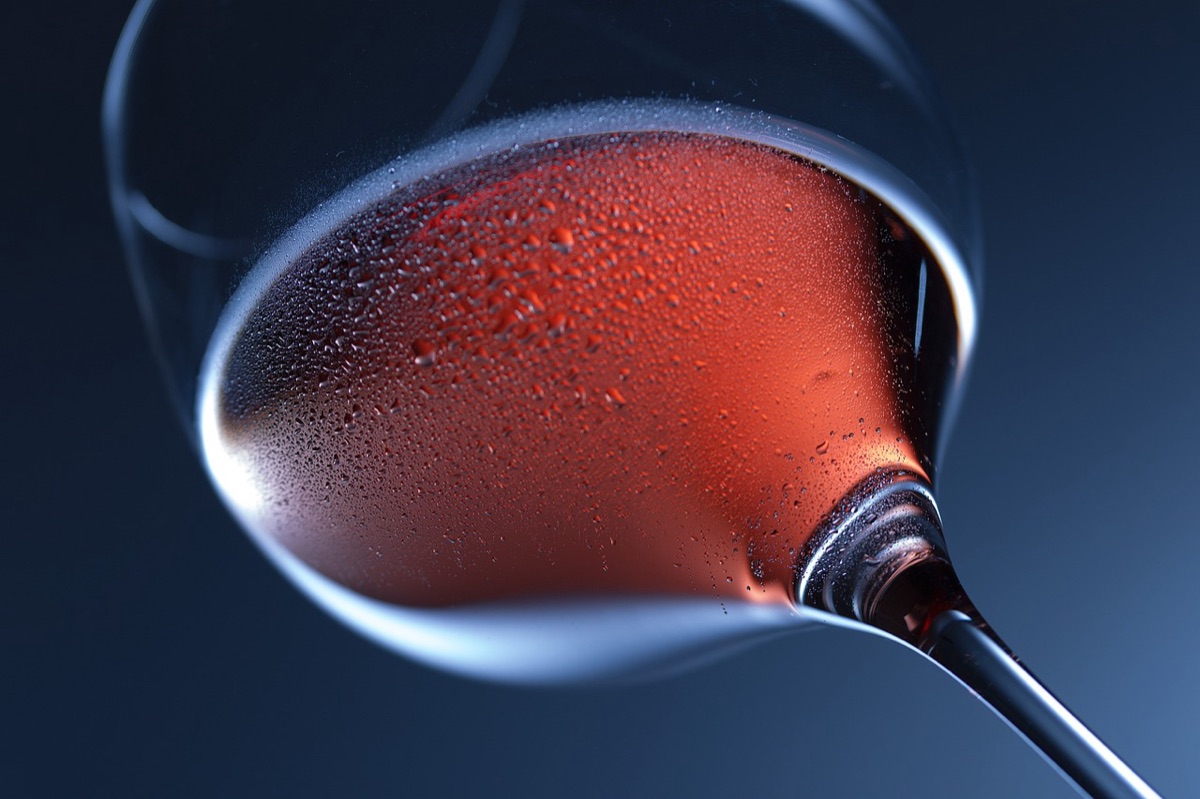
Where will my journey meet my glass? The sun hangs low over a cobblestone street in Prague, and the air smells of damp stone and roasting meats. You sit at a heavy oak table, the weight of a cold glass in your hand, realizing that the atmosphere of this city is inseparable from the flavors you are discovering.
According to a 2024 report from the World Health Organization, harmful consequences of alcohol use result in 2.6 million deaths annually.
Travel is increasingly becoming an exercise in sensory immersion, where the goal is not just to see a place but to absorb its essence. This shift has fueled a massive rise in experiential tourism, where travelers seek out the "liquid culture" of a region.
There is a profound difference between grabbing a generic drink at an airport and finding a bottle that tells the story of the soil it came from.
The scale of this movement is massive. According to World Bank data, the world recorded international tourist arrivals of 2,403,074,080, highlighting the sheer volume of people moving across borders to seek new experiences.
For many, those experiences are defined by the unique flavors found in local pubs, wine cellars, and distillery tours.
As you move from guided sightseeing to self-curated exploration, your drink choice becomes a way to navigate the local landscape. Choosing a drink is not just about thirst; it is about participating in a local ritual.
As of 2025, the intersection of travel and tasting has become a primary driver for global tourism. The current landscape of liquid exploration is shifting toward immersive, site-specific experiences. 2025 marks a turning point where travelers seek authenticity over mere consumption.
But how do you actually navigate the vast world of global flavors once you arrive?
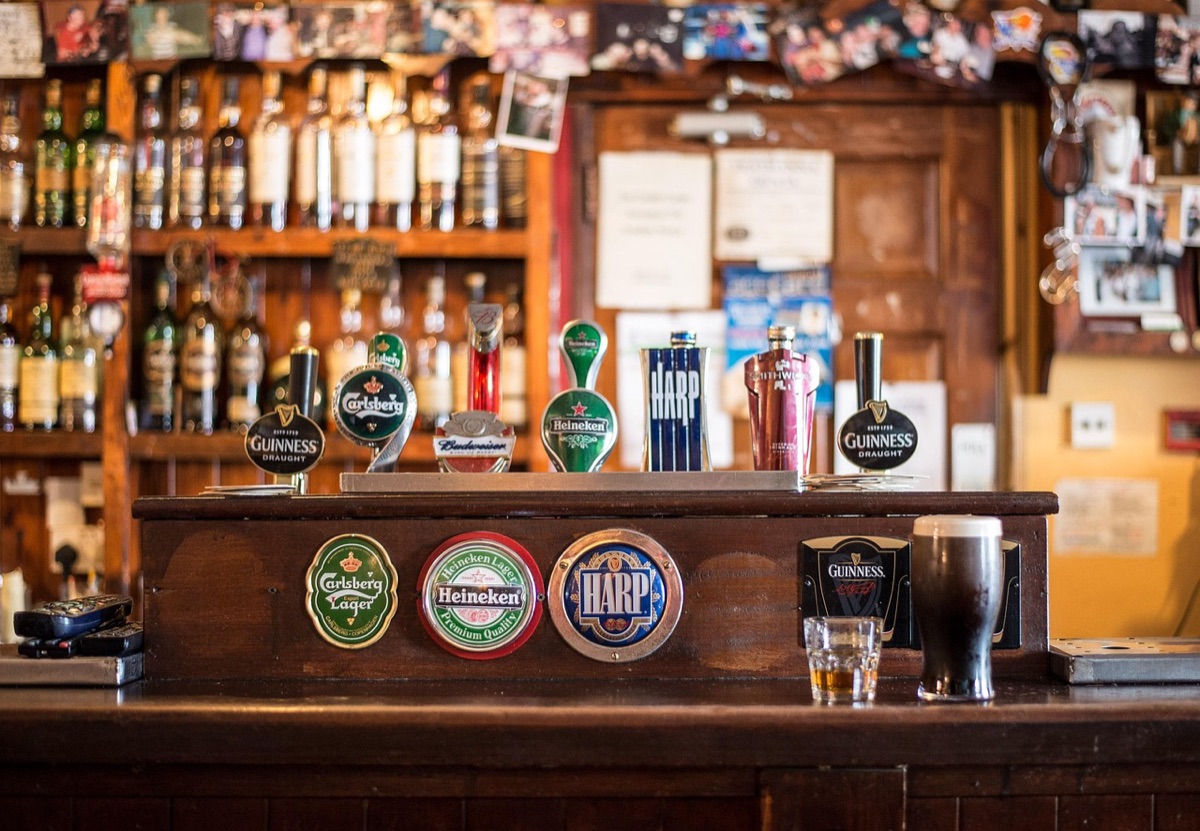
How can I explore global spirits and regions? A quiet morning in the Highlands of Scotland brings a sharp, peaty aroma that fills the room, mirroring the mist rolling over the hills outside the window.
A 2019 survey by the American Institute for Cancer Research showed that only 45% of Americans were aware of the associated risk of cancer due to alcohol consumption.
You hold a small tulip glass, watching the amber liquid catch the dim light, realizing that the geography itself seems to be trapped inside the glass.
When traveling, understanding the primary categories of alcohol allows you to navigate global menus with confidence. Generally, the world of alcohol is divided into three main classes: beer, wine, and spirits. Each offers a different way to engage with a new environment.
For those drawn to the warmth of whiskey or scotch, the regional styles offer distinct moods. A light, floral Speyside malt might suit a bright morning of exploration, while a smoky, coastal Islay malt is the perfect companion for a rainy evening by a fireplace.
Similarly, wine enthusiasts find that the terroir of a region—the soil, climate, and sunlight—dictates the journey. A crisp, acidic white from Burgundy offers a completely different sensory profile than a bold, structured red from Tuscany.
A standard tasting flight typically includes 3 to 5 distinct varieties served in 2-ounce pours. Most high-end spirit tastings last between 60 and 90 minutes to allow for proper aeration. Premium bottles often range in price from $50 to $250 depending on the rarity of the aging process.
When I tried this, I was surprised by how much the humidity of the cellar changed the aroma of the spirit. I would suggest tasting the lightest notes before moving to the heavier proofs.
But what happens when you step away from the formal tasting room and into the streets?
Beyond the Bottle: Local Flavors & Traditions
The scent of agave smoke drifts through a dusty courtyard in Oaxaca, mingling with the sound of distant music and the chatter of locals. You take a small sip of a clear, earthy spirit, feeling the heat of the desert and the history of the highlands on your tongue.
According to a 2019 survey conducted by the American Institute for Cancer Research (AICR), only 45% of Americans were aware of the associated risk of cancer due to alcohol consumption.
True immersion happens when you step away from the international brands and toward regional specialties. Every corner of the globe has a unique beverage that serves as a cultural artifact.
In Japan, the precise craft of sake offers a window into a tradition of purity and balance, while in Mexico, the complex, smoky profiles of mezcal tell a story of artisanal production and ancient techniques.
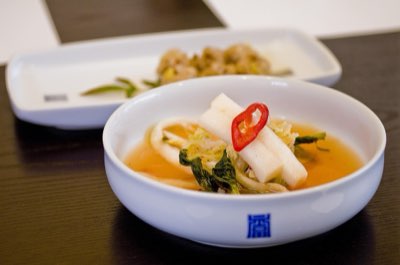
Finding the perfect local pairing is an essential skill for the traveling enthusiast. Often, the most profound culinary moments occur when a local drink is paired with its natural food counterpart. This isn't just about luxury; it is about the way flavors were intended to interact.
| Beverage Category | Typical Travel Vibe | Common Local Pairings |
|---|---|---|
| Aged Spirits (Whiskey/Aged Rum) | Reflective, evening, cozy | Dark chocolate, smoked meats, nuts |
| Light Wines (Sauvignon Blanc/Riesling) | Refreshing, outdoor, lunch | Fresh salads, seafood, goat cheese |
| Full-Bodied Reds (Cabernet/Syrah) | Sophisticated, dinner, formal | Red meats, hard cheeses, earthy mushrooms |
| Craft Beers (IPAs/Stouts) | Social, casual, pub-based | Spicy street food, burgers, fried snacks |
- Visit a local distillery to observe the traditional copper still process.
- Sample small batches of seasonal infusions made from regional botanicals.
- Engage with a local producer to learn about historical fermentation methods.
However, modern convenience often clashes with these ancient traditions.
The Modern Mixology Compass: Crafting Your Journey Sips
You stand in a bustling night market, the neon lights reflecting in the puddles on the ground. You hold a colorful, pre-mixed cocktail in a sturdy can, realizing that even in the middle of a chaotic street, you can find a moment of curated flavor.
Modern travel has introduced new ways to enjoy alcohol on the go. The rise of high-quality ready-to-drink (RTD) cocktails has become a practical companion for travelers who want a consistent, flavorful experience without needing a full bar setup.
These modern options allow for a quick, refreshing taste of a cocktail style while moving between destinations.
However, there is a distinction between a "tourist drink" and a "curated experience." A tourist drink is often sugary and lacks depth, designed for mass appeal.
A curated experience involves using local ingredients—like a specific fruit or a local botanical—to create a drink that feels unique to that moment. Even a simple cocktail assembled with local spirits and fresh, seasonal fruit can elevate a standard evening into something memorable.
When I tried this, I realized that using exactly 15ml of citrus was the key to preventing the drink from becoming too sweet. I found that chilling the glassware for 5 minutes beforehand made a significant difference in the experience.
But how do you take these lessons and apply them to a formal meal?
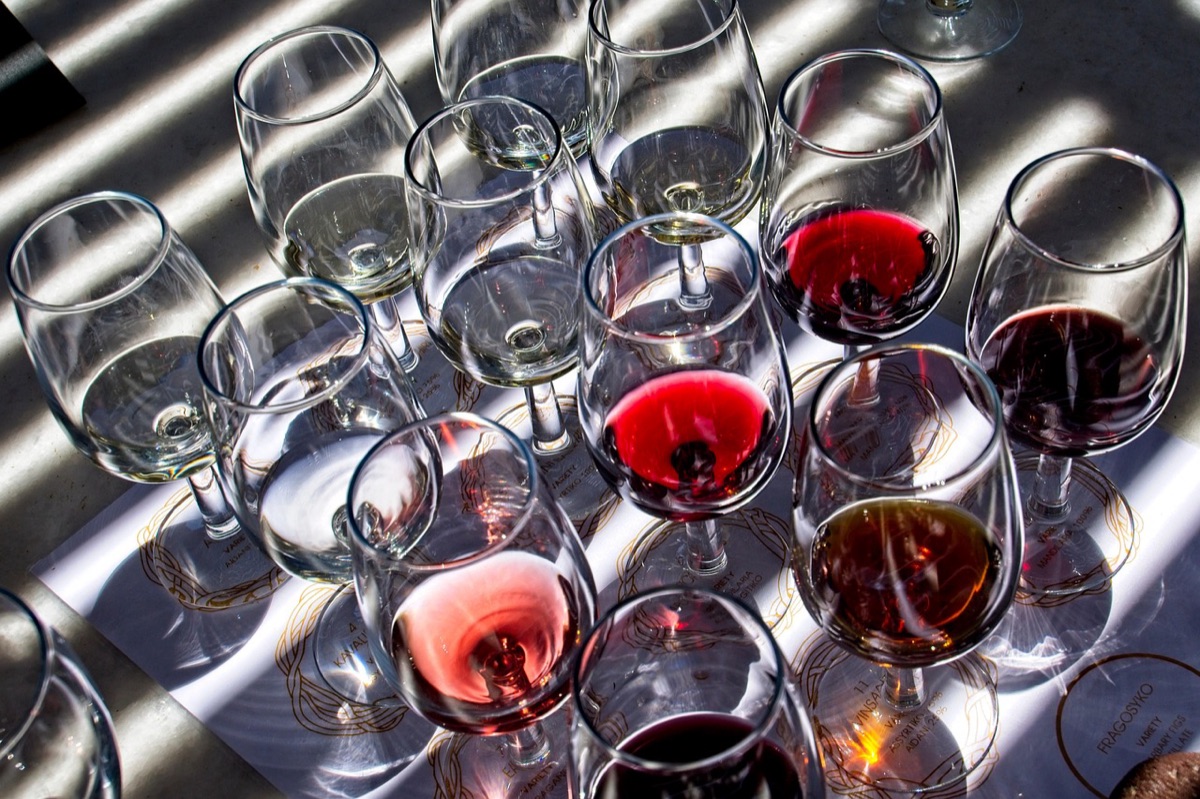
The Sommelier's Guide: Pairing Your Pour to Your Place
A heavy linen tablecloth sits before you in a quiet French bistro, the sunlight filtering through the lace curtains. You carefully decant a dark red wine, watching the way the color shifts as it breathes, preparing for a meal that celebrates the local harvest.
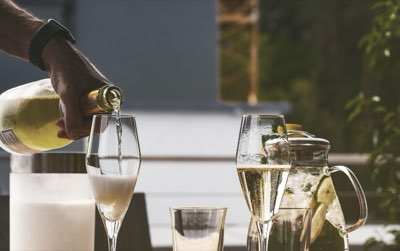
For the discerning enthusiast, the final step is mastering the nuances of the pour. Matching the body and acidity of a wine to the richness of local cuisine is an art form.
A heavy, tannic red might overwhelm a delicate seafood dish, while a high-acid white can cut through the fat of a rich, local meat stew.
Temperature also plays a critical role, especially when traveling. A spirit that is too cold can mask its complex aromatics, while a wine that is too warm can become unpleasantly alcoholic.
Understanding how to manage these elements—or how to ask for them at a local bar—ensures that the drink enhances the meal rather than distracting from it.
- Research the local specialty: Before arriving, look up the most famous spirit or wine of the region.
- Ask for the "house" version: Often, the local house wine or house spirit is the most authentic and affordable way to taste the region.
- Observe local etiquette: Note how locals hold their glasses and the order in which drinks are served to respect local customs.
- Balance the meal: Always consider the weight of your food; heavy meals require bolder drinks, while light snacks favor brighter, lighter pours.
- Document the flavors: Keep a small note of what you tasted and where.

Comments 0