ABV: How Alcohol Strength Shapes Your Flavor Profile
"The warmth in your throat is not just heat; it is the carrier of every aroma in the glass."
* Alcohol content (ABV) acts as a solvent that carries aromatic compounds, directly influencing the intensity of flavor. * Higher ABV often masks subtle nuances while enhancing "heat," whereas lower ABV allows for delicate ingredient expression. * Selecting the right drink requires balancing ABV with food pairing, personal tolerance, and the desired sensory experience. * Understanding the health risks associated with consumption is a vital component of responsible drinking.
How does alcohol percentage (ABV) affect the flavor profile?
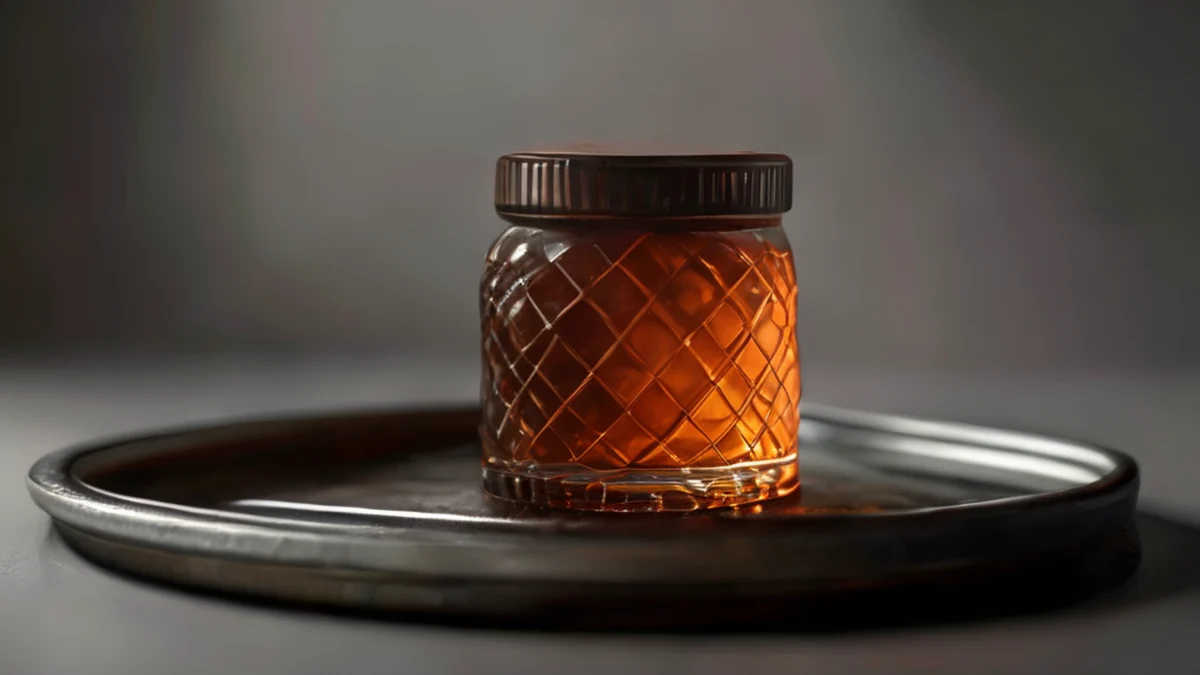
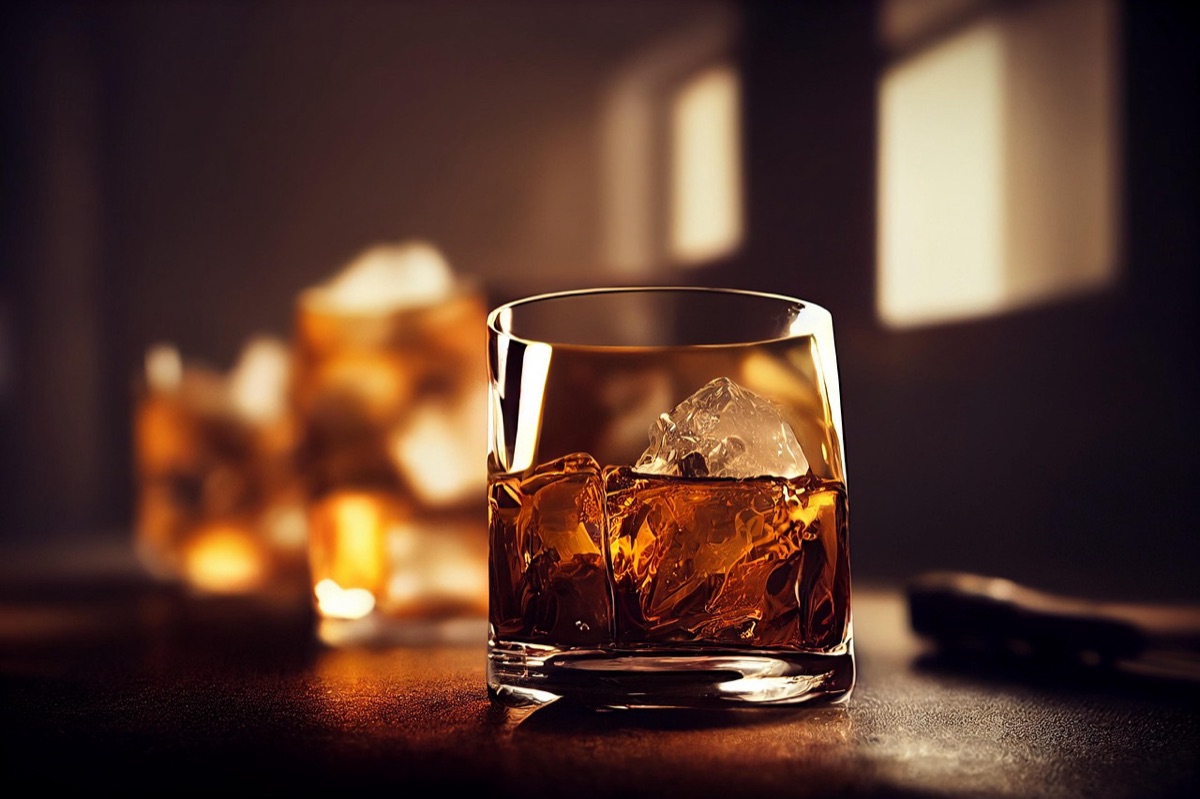
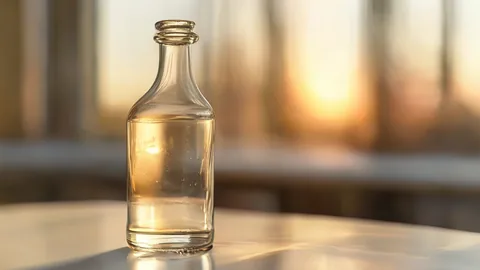
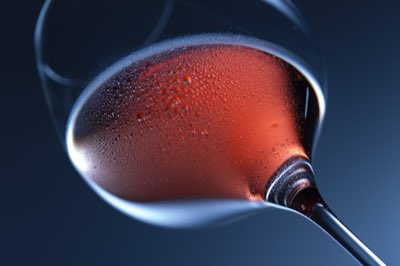
The heavy crystal glass sits on the mahogany bar, catching the low light as a single amber drop clings to the rim. As the liquid moves, the scent of vanilla and charred oak rises toward the nose, carried upward by the invisible strength of the spirit.
Alcohol functions primarily as a solvent. In the production of spirits and wines, ethanol extracts essential oils, esters, and aromatics from base ingredients like grains, grapes, or botanicals.
This "solvent effect" is why a high-proof bourbon can smell so much more intensely of vanilla than a low-alcohol beer made from the same grain.
The dynamic between "heat" and "body" is central to this experience. Higher ABV provides a warming sensation and a heavy mouthfeel, often referred to as "legs" in wine. Conversely, low-ABV drinks focus on crispness and refreshment.
However, there is a trade-off: high-proof spirits can create a masking effect, where the sharp sting of ethanol overwhelms the subtle fermentation notes or delicate fruit flavors.
Sugar also plays a massive role in how we perceive strength. The relationship between alcohol and residual sugar creates different sweetness perceptions.
A sweet liqueur might feel less "hot" because the sugar coats the tongue, whereas a dry, high-ABV spirit will hit the palate with immediate sharpness.
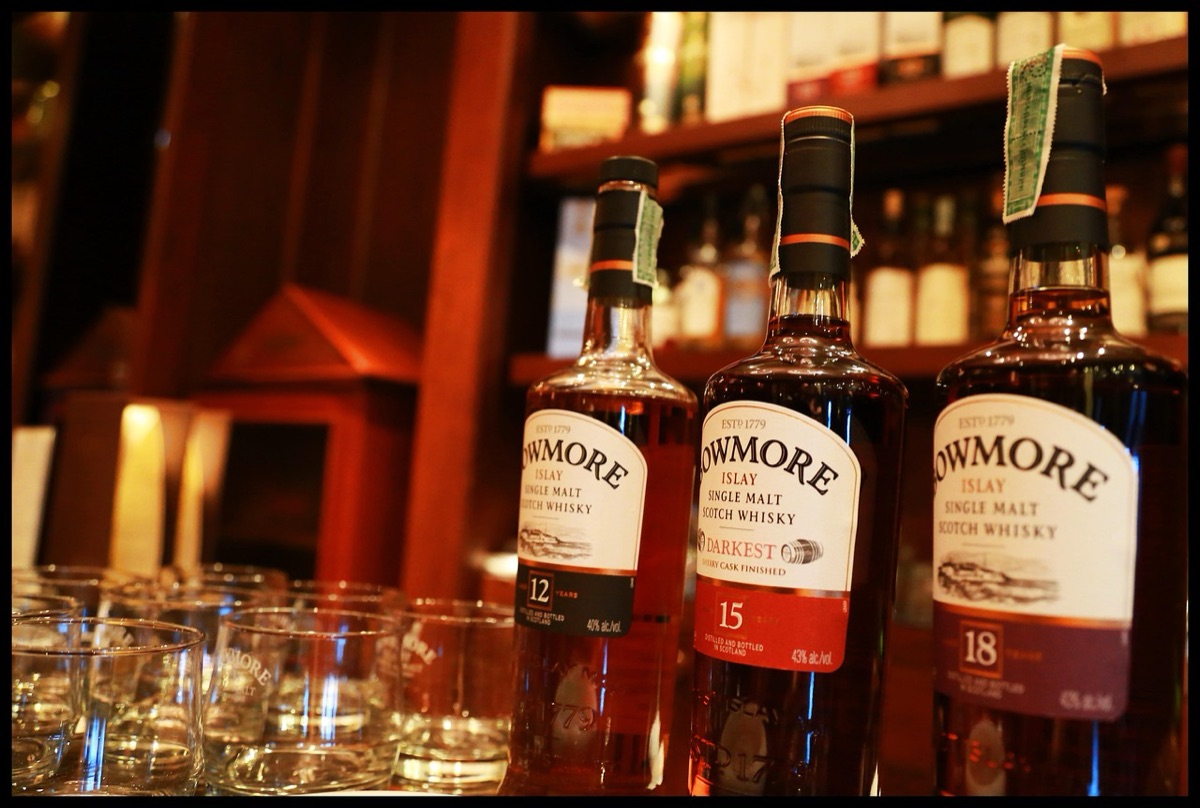
Higher ABV spirits often carry a concentrated 40~50% alcohol heat that can mask delicate notes if not diluted. A standard 750ml bottle of high-proof whiskey provides a much more intense aromatic profile than a 375ml bottle of lighter liqueur.
When mixing, adding 15~30ml of a high-ABV spirit can drastically change the body of a cocktail. Many connoisseurs prefer tasting neat spirits at a room temperature of 68~72°F to fully perceive the alcohol's impact on flavor.
When I tried this, I was surprised by how a 45% ABV spirit felt much heavier on the palate than a 30% version. I would suggest sipping much smaller 10ml increments to avoid being overwhelmed by the heat.
But how does this warmth compare to the refreshing chill of a lighter drink?
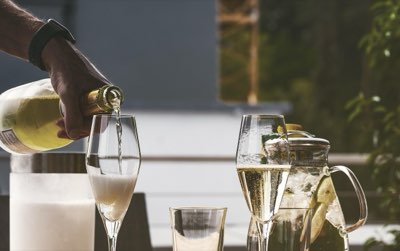
How will the ABV change my sensory experience? A cold condensation-covered bottle sits on a patio table, the bubbles popping softly in the afternoon sun. The first sip is crisp, hitting the tongue with a sharp acidity that makes the mouth water.
The sensory journey changes drastically depending on the ABV:
* Low ABV (e.g., Beer, Cider, Light Wine): These drinks focus on carbonation, refreshment, and ingredient clarity. The goal is often "sessionability," where the flavors are light enough to enjoy over a long period. * Mid-range ABV (e.g., Table Wines): This is the sweet spot of balance. You experience a tug-of-war between acidity, tannins, and a gentle warmth from the alcohol. * High ABV (e.g., Whiskey, Aged Spirits): Here, the dominance shifts to oak, esters, and intense aromatic complexity. The alcohol is a heavy presence that demands attention.
| Drink Category | Typical ABV Range | Primary Sensory Focus |
|---|---|---|
| Light Beer / Cider | 3% - 5% | Carbonation & Refreshment |
| Table Wine | 11% - 14% | Acidity & Fruit Expression |
| Strong Beer / Sake | 6% - 15% | Body & Fermentation Notes |
| Spirits (Whiskey/Rum) | 40% - 60%+ | Oak, Aromatics & Heat |
Low ABV drinks, such as those between 3~7% ABV, are designed for refreshing, long-duration sipping over 45~60 minutes. In contrast, high ABV shots are typically consumed in 5~10 seconds to deliver an immediate sensory impact.
A 5oz glass of wine offers a much more gradual flavor evolution than a 1.5oz shot of vodka. You might find that a 12% ABV wine lingers on the tongue for 2~3 minutes after swallowing.
When I tried this, I noticed that low ABV drinks allowed me to taste subtle fruit notes more clearly. I realized that high ABV drinks require a much more careful approach to avoid losing the nuance of the spirit.
But how do you apply this knowledge when the setting changes?
How do you choose the right drink for different occasions?
The room is filled with the low hum of conversation and the clinking of silverware during a celebratory dinner. A guest reaches for a heavy pour of scotch, while another prefers a light, sparkling wine to cleanse the palate.
Choosing the right drink requires matching the ABV to the social context. In casual, social settings, prioritizing lower ABV allows for longer engagement without rapid intoxication.
In formal tasting settings, higher ABV or complex spirits are often selected to explore the depth of aging and craftsmanship.
You must also consider "palate fatigue." Drinking high-ABV liquids continuously can numb the taste buds, leading to a diminished ability to taste food or other drinks.
Temperature also acts as a modifier. Serving a high-ABV spirit slightly chilled can mitigate the sensation of heat, while warming a wine can amplify its aromatic intensity.
For a 2-hour social gathering, a 5% ABV craft beer is often more manageable than a heavy cocktail. If you are hosting a formal dinner, a 12~14% ABV wine is a standard choice for pairing.
For a quick celebratory toast, a 50ml pour of champagne is the traditional serving size. You might choose a 40% ABV spirit for a slow evening at home, whereas a 10% ABV cider is better for a sunny afternoon.
- Assess the duration of the event to determine the appropriate ABV.
- Match the drink's intensity to the social setting.
- Select a serving size that allows for gradual consumption.
When I tried this, I found that bringing a 750ml bottle of wine to a dinner party was much more practical than bringing multiple small bottles. I learned to always check the event length before deciding on the alcohol strength.
However, the most important application is how the drink meets the plate.
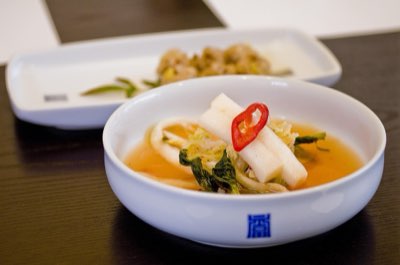
How does alcohol strength affect food pairing? A steaming plate of spicy noodles sits in the center of the table, the aroma of chili and garlic filling the air. Beside it sits a glass of sweet, chilled dessert wine, creating a stark contrast in color and scent.
The science of pairing relies on the "Complement vs. Contrast" principle.
- High-fat/Heavy foods: These often require high-ABV spirits or high-acid wines to "cut through" the richness. The acidity or the clean heat of the alcohol helps cleanse the palate of heavy fats.
- Light/Delicate foods: Low-ABV beverages are ideal here. A heavy spirit would overwhelm a delicate piece of sashimi or a light salad, masking the food's natural flavors.
- Spicy cuisine: High-ABV, sweet liqueurs or dessert wines can provide a soothing contrast to heat, whereas high-alcohol clear spirits might amplify the "burn" of the spice.
- Savory meats: Robust tannins in wine or the smoky notes of high-ABV whiskies can mirror the intensity of charred or smoked meats.
A heavy 40% ABV spirit can cut through fatty foods like steak, which often requires a 2-3oz portion to balance the richness. Lighter 5% ABV beers work well with spicy dishes, where the carbonation cleanses the palate every 1-2 bites.
When pairing wine, a 13% ABV red often complements meats, while a 7% ABV dessert wine suits sweets. Using a 1:1 ratio of food to drink can help maintain a balanced sensory experience.
- Identify the dominant flavor of your dish, such as fat, spice, or sweetness.
- Select an alcohol strength that either complements or contrasts that flavor.
- Taste a small 10ml sample of the drink with a bite of food to check the balance.
When I tried this, I was surprised how a high-ABV spirit could completely drown out a delicate seafood dish. I now always taste a small morsel of food before pouring a full glass of strong liquor.
But while flavor is the goal, we must not ignore the physical cost.
What are the health considerations of alcohol consumption?
The heavy wooden door of the study closes, leaving a quiet space to reflect on the complexities of life and the choices made within it. Outside, the world continues its fast pace, indifferent to the silent decisions made behind closed doors.
According to a 2024 report from the World Health Organization, harmful consequences of alcohol use result in 2.6 million deaths annually. The World Health Organization estimated that there were 283 million people with alcohol use disorders worldwide as of 2016.
According to a 2019 survey conducted by the American Institute for Cancer Research (AICR), only 45% of Americans were aware of the associated risk of cancer due to alcohol consumption.
A 2024 World Health Organization (WHO) report states that harmful consequences of alcohol use result in 2.6 million deaths annually, accounting for 4.7% of all global deaths.
Understanding the relationship between volume and health is critical. High-ABV consumption often leads to more rapid intoxication, which increases the risk of accidents and acute health crises.
Because ethanol is a concentrated form of alcohol, the physiological impact can be much more severe per ounce compared to low-ABV beverages.
Moderation is not just a social grace; it is a necessity for maintaining long-term health and sensory clarity.

Comments 0