Elevate Your Palate: The Art of Matching Drink to the Moment
"The label tells you the strength, but the liquid tells you the story."
Choosing a bottle often feels like a gamble between a heavy hitter and a subtle sip. Understanding how alcohol content interacts with flavor is the key to moving from a casual drinker to a true enthusiast.
* Taste is a complex interplay of ingredients and aging, while ABV is merely a technical measurement. * Different categories, such as distilled spirits versus fermented wines, offer distinct structural experiences. * Matching the "body" of a drink to the occasion ensures the alcohol enhances rather than overwhelms the palate.

What is the difference between "Taste" and "Proof" in Alcoholic Beverages?
I sat at a dark mahogany bar last Tuesday, staring at two glasses: one a bright, effervescent sparkling wine and the other a heavy, amber-hued bourbon. One felt like a summer breeze, while the other felt like a warm blanket, yet both were technically "alcohol."
The "taste" of a drink is the sensory profile created by its base ingredients, the fermentation process, and the time spent in wooden barrels. It involves the aroma of vanilla, the acidity of fruit, or the smokiness of peat. It is the soul of the liquid.
In contrast, ABV (Alcohol by Volume), often referred to as "proof" in the United States, is the technical measurement of ethanol concentration. While taste describes the character, ABV describes the intensity of the alcohol's presence.
The spectrum of alcohol is vast. On one end, you have low-ABV fermented drinks like cider or certain beers. On the other, you find distilled spirits, which are typically 20% ABV or higher. Most common spirits, like whiskey or vodka, sit around the 40% ABV mark.
Understanding this gap helps you realize why a 12% wine feels entirely different from a 40% gin, even if they both hit your palate with similar intensity.
However, the distinction between proof and taste becomes blurred when the alcohol heat overwhelms the delicate flavor profiles. When I tried a 150-proof bourbon, the heat was so intense that I couldn't detect the oak notes for the first few minutes.
I learned that adding just 2~3 drops of water can significantly open up the aroma. But understanding the numbers is only the first step; the ingredients themselves change the game.
How Does Base Spirit Type Influence Flavor?
I remember peeling the label off a cheap bottle of rum once, wondering why it tasted so much like raw sugar compared to the complex oak of a scotch. The answer wasn't just the sugar; it was how the base material was transformed.
The base ingredient dictates the foundation of every flavor note. For instance, whiskey relies heavily on the aging process and the influence of wood. The tannins from oak barrels can turn a clear liquid into a complex masterpiece of caramel and spice.
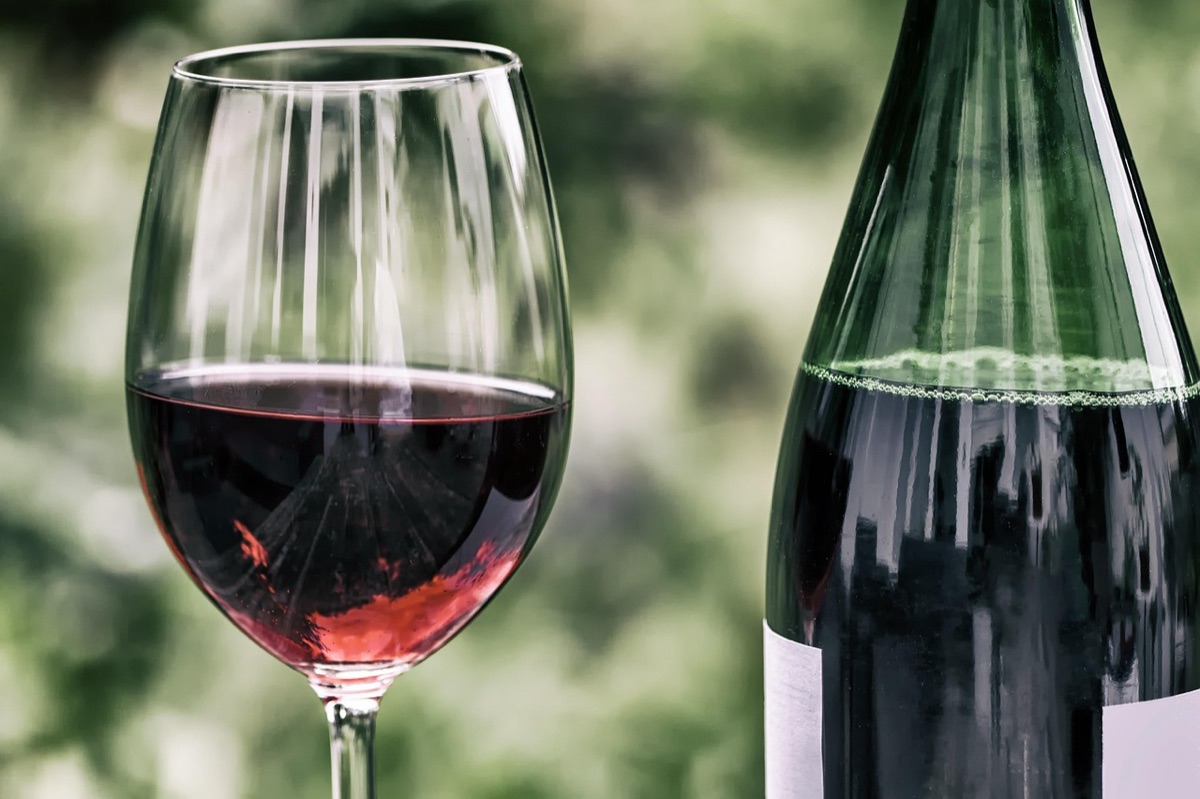
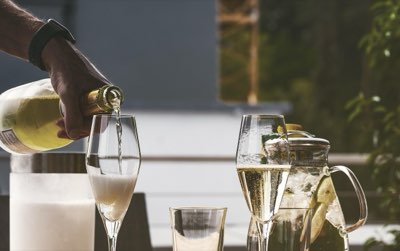
Wine and champagne operate on a different scale. These involve fermentation and often longer aging processes focused on the grape itself. The acidity and fruit profiles are the stars here, rather than the heavy wood influence found in spirits.
Base spirits like vodka, gin, and rum are created through distillation. This process purifies the base material, concentrating the alcohol while stripping away certain elements.
Depending on the raw material used—whether it is grain for vodka or sugarcane for rum—the distilled result will carry a specific "ghost" of its origin. You might also encounter low-ABV fermented drinks like cider, which prioritize refreshment over heavy warmth.
| Category | Primary Process | Typical ABV Range | Primary Flavor Driver |
|---|---|---|---|
| Wine | Fermentation | 9% – 16% | Grape Varietal & Acidity |
| Spirits (Whisky/Rum) | Distillation & Aging | 35% – 50%+ | Wood & Base Ingredient |
| Beer/Cider | Fermentation | 3% – 10% | Hops, Malt, or Fruit |
Grain-based spirits like vodka often have a neutral profile, while agave-based spirits provide earthy undertones. A standard 750ml bottle of tequila offers a different character than a 750ml bottle of rum.
Some spirits are aged for 3~5 years to develop complexity, while others are bottled fresh. You might notice a 10~15% difference in sweetness between different base sugars. High-ester rums can have a much stronger aroma than vodka.
When tasting, a 15ml sample is often enough to identify the base. If you are mixing, a 1:2 ratio of spirit to mixer is common. However, the influence of the base spirit is less predictable when using heavily flavored liqueurs.
When I tried mixing high-proof rum with citrus, the acidity was much more aggressive than I expected. I found that using a slightly more neutral base allowed the botanicals to shine better. But how do you actually pick the right bottle for the moment?
How do I match the body to the bottle? I once ordered a high-proof rye whiskey at a dinner party, only to realize it completely drowned out the delicate flavors of the salmon entree. It was a lesson in "body" versus "occasion."
High-ABV drinks (40% and above) are heavy-hitters. These often require dilution—adding water, ice, or a mixer—to "open up" the flavors. Without dilution, the alcohol heat can mask the subtle notes of vanilla or spice that you actually paid for.
Mid-range ABV drinks (roughly 9% to 16%), such as most wines, are often designed to be enjoyed as they are. They possess enough body to be a meal accompaniment but are gentle enough to be sipped throughout a dinner.
Low-ABV drinks (3% to 8%) are the palate cleansers. These are ideal for casual sipping or as a refreshing start to an evening. They are less harsh on the palate, allowing the nuances of light fermentation to shine through without the "burn" of high-proof spirits.
Light-bodied spirits are often served in 5oz glassware to concentrate aromas. Full-bodied spirits can handle larger 8~10oz glasses to allow for more aeration. A heavy, peaty scotch might require a 2oz neat pour to manage the intensity.
Light gins are best enjoyed with 4~6oz of tonic. Some bottles are designed for sipping, while others are meant for 2~3 cocktail servings. You might choose a 50ml miniature for a quick taste test.
The weight of the glass can also affect the perceived body of the liquid. However, matching body to bottle is less effective when the glassware shape contradicts the spirit's intended aeration. When I tried a heavy sherry in a narrow tulip glass, the aroma felt too trapped.
I realized that using a wider bowl helped balance the heavy body of the wine. This leads us to the practical side of building a collection.
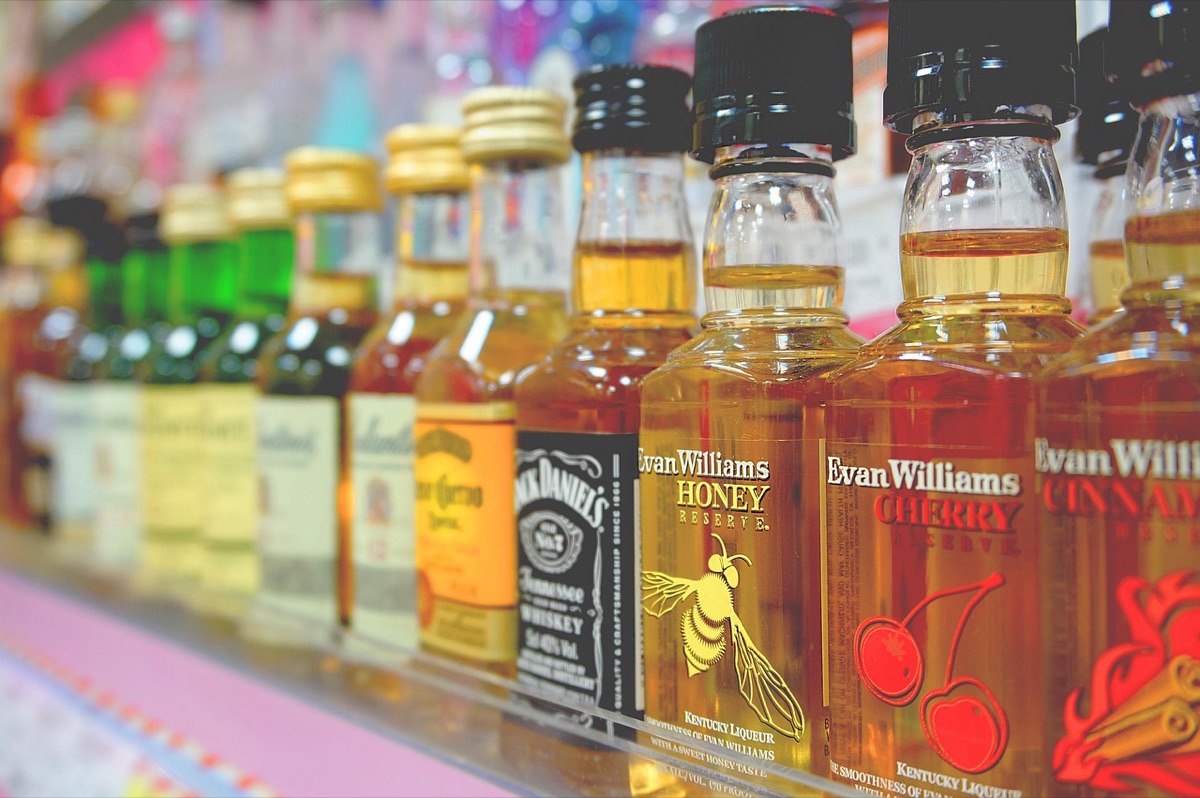
How do I master the art of pairing and selection? Walking into a liquor store for the first time can feel like stepping into a labyrinth. I used to grab whatever looked expensive, only to find it didn't fit my mood or my palate.
To build a great home bar, you should match the flavor journey to the occasion. A complex, high-proof bottle might be perfect for a slow evening by a fireplace, while a lighter wine or a crisp gin is better for a social gathering.
When you begin tasting, try to look "through" the spirit. Instead of just feeling the heat of the alcohol, try to identify the secondary notes. Is there a hint of citrus? A trace of toasted bread? This is how you transition from drinking to tasting.
A smart purchasing guide involves curation. Don't just buy for the sake of variety; buy for the sake of experience. Use your knowledge of ABV and flavor profiles to ensure you have a bottle for every possible scenario.
- Identify the Occasion: Determine if the setting is formal (wine), social (cocktails), or contemplative (neat spirits).
- Assess the Flavor Profile: Choose bottles that offer contrasting or complementary notes to your planned food.
- Test Small Samples: Before committing to a full bottle, use 15ml samples to ensure the profile meets your expectations.
- Balance the ABV: Ensure the alcohol strength doesn't overwhelm the food or the company.
- Select Proper Glassware: Match the vessel to the body of the liquid to maximize aroma and texture.
A classic pairing might involve a 2oz cocktail alongside a small plate of appetizers. For a tasting menu, you might serve 1oz pours across 5~7 courses. Spicy foods often pair well with spirits that have a 40~50 proof range to avoid overwhelming the tongue.
Sweet desserts can be balanced by a 3oz pour of a high-proof, bitter liqueur. You might spend 30~45 minutes selecting the perfect bottle for a dinner party. Some pairings work best when the temperature of the spirit is 55~65°F.
I now prefer much lighter, floral spirits for seafood courses. But understanding the drink is only half the story; the context of consumption matters most.
The Bigger Picture: Context and Consumption
I often think about how much the culture around drinking has changed. What used to be a simple social ritual is now viewed through a much more complex lens of health and responsibility.
According to a 2024 report from the World Health Organization, harmful consequences of alcohol use result in 2.6 million deaths annually. The World Health Organization estimated there were 283 million people with alcohol use disorders worldwide as of 2016.
According to a 2019 survey conducted by the American Institute for Cancer Research (AICR), only 45% of Americans were aware of the associated risk of cancer due to alcohol consumption.
A 2024 World Health Organization (WHO) report states that harmful consequences of alcohol use result in 2.6 million deaths annually.
Global consumption rates vary wildly, but the way we approach alcohol is becoming increasingly regulated and health-conscious. Understanding the science of the drink is important, but understanding the impact is vital.
#

Comments 0