Modern Spirits: Elevating Your Home Bar to Curated Artistry
"The spirit world is undergoing a renaissance; discerning modern trends is the key to elevating your home bar experience from simple consumption to curated artistry."
The modern beverage landscape is shifting from sheer volume toward intentionality, where the story behind the bottle matters as much as the liquid inside.
Today’s enthusiasts are moving away from generic labels toward spirits that offer unique botanical profiles, specific regional identities, and artisanal production methods.
Key Takeaways * Modern spirits cater to niche palates, demanding more than just volume—they require provenance and complexity. * Understanding the "why" behind a spirit's rise, such as botanical infusions or unique aging techniques, defines its modern value.
* Curating a collection means balancing established classics with innovative newcomers to match diverse tastes and occasions. * The modern spirit experience is holistic, involving the bottle, the pour, the pairing, and the story.
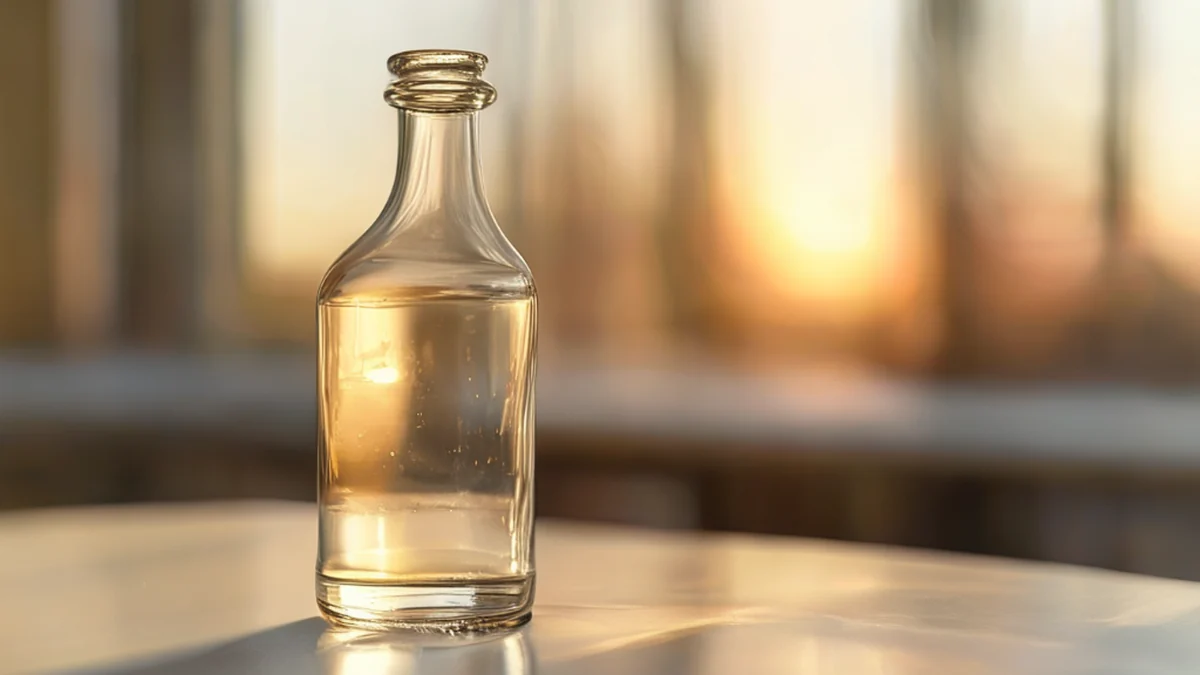
Why is the spirit market shifting right now? A quiet afternoon in a dimly lit lounge reveals a tray of small, elegant glasses, each containing a different amber hue. No one is ordering rounds of cheap shots; instead, guests are debating the subtle notes of peat or the brightness of a new botanical gin.
The shift from mass consumption to experiential luxury is the primary driver of the current market. Consumers are no longer looking to simply "get a drink"; they are seeking depth, history, and a sense of discovery.
This change is reflected in the rise of botanical science, where modern distillation techniques allow producers to reinvent base spirits through precise infusions.
Geographic revival also plays a massive role. Local traditions that were once considered niche are being modernized for a global palate, turning regional specialties into international luxury goods.
While some market data suggests shifts in total volume, the value of the premium segment continues to grow as people prioritize quality over quantity.
The premium segment has seen a rise in bottles priced between $50 and $150. Consumers are increasingly opting for 750ml bottles of artisanal craft spirits over mass-produced alternatives. Many enthusiasts now dedicate 2~3 hours a week to exploring new tasting notes.
Small-batch distilleries often produce limited runs of only 500 to 1,000 bottles per year. This shift has led to a 15% increase in interest for single-barrel expressions. Tasting flights often consist of 3 to 5 different varieties to allow for comparison.
Many collectors now focus on acquiring 2~4 high-quality bottles per quarter rather than bulk buying. This trend reflects a move toward quality over quantity in the modern era.
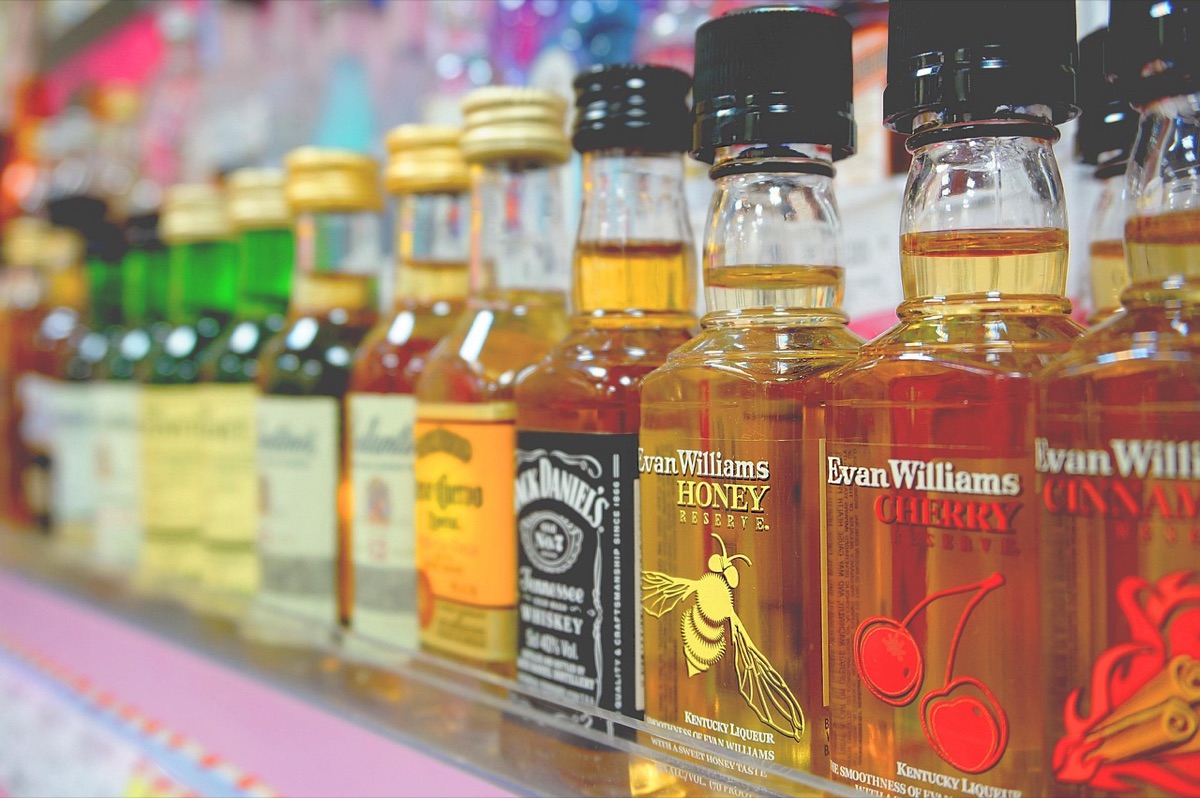
What really defines a modern spirit? Walking through a high-end liquor store, the sheer variety of bottles can be overwhelming, from heavy crystal decanters to minimalist, modern glass. One bottle might look like a vintage relic, while the one next to it looks like a piece of contemporary art.
Understanding the difference between a "good" spirit and a "curated" spirit requires looking at flavor profile depth. A curated spirit often utilizes specific aging processes or unique fermentation methods to create layers of taste that change as the liquid sits in the glass.
This is the difference between a spirit that is merely strong and one that is complex.
The role of terroir—the environmental factors that affect a crop's character—has become central to spirit differentiation. Just as wine enthusiasts look to specific vineyards, spirit drinkers look to the water source, the local grain, and the specific wood used in barrels.
Modern producers often honor these traditions while introducing novel elements, such as cask finishes using wine barrels or unusual wood aging, to create a bridge between the old world and the new.
- Pour a 30ml sample into a tulip-shaped glass to concentrate the aroma.
- Swirl the liquid for 5~10 seconds to release volatile compounds.
- Take a small sip and hold it in your mouth for 3 seconds to coat the palate.
- Note the initial flavor, the mid-palate body, and the 10~20 second finish.
Navizing the Spectrum: Price, Profile, and Purpose
A person sits at a wooden bar, looking at a menu that lists prices ranging from twenty dollars to two hundred dollars for a single pour. They pause, weighing the cost of a rare single malt against the practical need for a reliable cocktail base.
Price point relativity is often misunderstood by casual buyers. In the modern market, price frequently correlates with ingredient quality, the length of the aging process, and the strength of the brand's story.
A higher price often reflects the scarcity of the ingredients or the years spent waiting for a spirit to reach its peak.
When building a collection, it is essential to distinguish between an occasional pour and a daily pour. A heavy, high-proof spirit might be perfect for a slow evening of sipping, while a lighter, brighter spirit is better suited for mixing into cocktails.
Modern consumers are increasingly searching for value through this lens, choosing to buy one exceptional bottle rather than five mediocre ones.
| Category | Purpose | Typical Profile | Price Logic |
|---|---|---|---|
| Sipper | Slow contemplation | High complexity, heavy body | Premium/Luxury |
| Mixer | Cocktail creation | Balanced, versatile, clean | Mid-range |
| Aperitif | Pre-meal stimulation | Light, bright, often bitter | Accessible |
When I tried this, I was surprised that a $40 bottle often outperformed much more expensive options when served at the right temperature. I realized that a 2oz pour is often more satisfying than trying to finish a large glass in one sitting.
The Art of the Match: Pairing Spirits with Palate & Plate
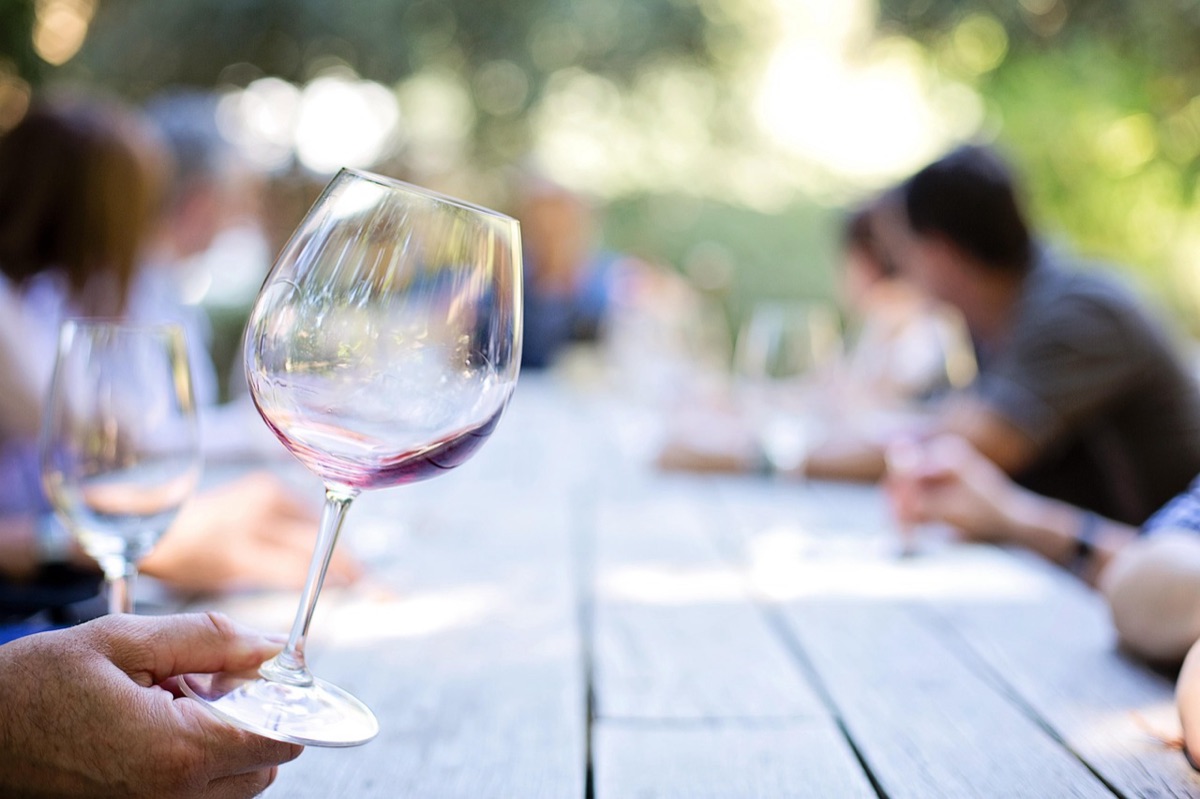
A dinner party guest takes a sip of a smoky whiskey, followed immediately by a bite of dark chocolate, causing a sudden, pleasant change in flavor. The interaction between the food and the spirit creates a new, third flavor that neither could achieve alone.
Mixology serves as a dialogue between the spirit and the modifier. Using bitters, vermouth, or unique syrups allows the enthusiast to use the spirit as a canvas, completing the story the producer started.
When building a home bar, the strategy should be to own a few "statement" bottles for special occasions and a few reliable "workhorse" bottles that can handle various cocktail recipes.
A standard tasting pour is typically 1 to 1.5 ounces. For heavy spirits, a temperature of 15~18°C is often ideal for tasting. Pairing a high-proof spirit with a 50g portion of dark chocolate can balance intense flavors.
If using ice, a single 2-inch cube is better than crushed ice to prevent rapid dilution. For appetizers, a 30ml neat pour works well with salty snacks. Some enthusiasts prefer aging spirits in 2~3 year cycles to achieve specific wood influence.
When tasting, keep 200ml of room-temperature water nearby to cleanse the palate. A light snack of 10~15 grams of nuts can help buffer the alcohol hit.
Managing Your Collection and Health Awareness
A collector carefully wipes the dust off a vintage bottle before placing it back into a temperature-controlled cabinet. They know that even the finest spirit requires responsible handling and an understanding of its place in their life.
According to a 2019 survey conducted by the American Institute for Cancer Research (AICR), only 45% of Americans were aware of the associated risk of cancer due to alcohol consumption.
The World Health Organization (WHO) estimated there were 283 million people with alcohol use disorders worldwide as of 2016.
According to a 2024 report from the World Health Organization, harmful consequences of alcohol use result in 2.6 million deaths annually.
As the market for premium spirits grows, it is equally important to maintain a balanced perspective on consumption. The modern enthusiast understands that the goal is appreciation, not excess.
High-quality spirits are designed to be tasted and experienced, often in much smaller quantities than lower-tier alternatives.
It is worth noting that the industry and health organizations often provide data that reminds us of the risks of excessive consumption.
For instance, a 2024 World Health Organization (WHO) report noted that harmful consequences of alcohol use result in 2.6 million deaths annually, accounting for 4.7% of all global deaths.
Additionally, a 2019 survey by the American Institute for Cancer Research (AICR) showed that only 45% of Americans were aware of the associated risk of cancer due to alcohol consumption, an increase from 39% in 2017.
Understanding these risks is part of being a mature, informed consumer. The luxury of a fine spirit is best enjoyed when it is part of a lifestyle of moderation and mindfulness.
- Store bottles upright in a cool area between 15~20°C to prevent cork degradation.
- Keep the collection away from direct sunlight to avoid color fading over 6~12 months.
- Limit consumption to 1~2 standard drinks per session to maintain health awareness.
- Rotate your stock every 12~24 months to ensure freshness and flavor integrity.

Comments 0