7-15%+ Body: Pairing Wines to Your Meal's Richness
"Don't just pick a bottle; pick the *right* bottle. Understanding the alcohol content is the secret to unlocking a perfect taste experience and flawless food pairing."
* Alcohol content dictates the body, intensity, and aging potential of the wine. * Different wine styles require different alcohol profiles to maintain balance. * Matching the wine's body to the food's richness enhances the overall flavor profile. * Choosing the right proof transforms a simple drink into a curated experience.
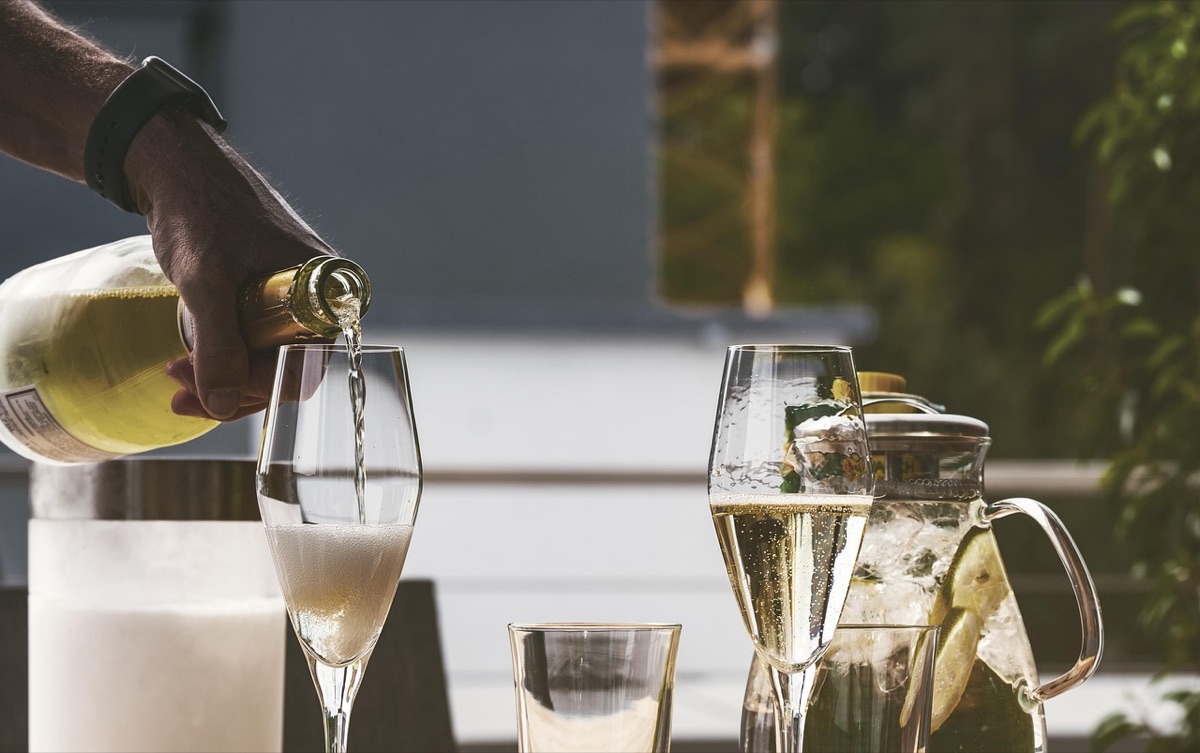
Why Does Alcohol Proof Matter in Wine?
The heavy glass bottle sits on the mahogany table, catching the dim light of the dining room. You twist the cork, the scent of dark fruit and oak fills the air, and you pour a glass, wondering why this specific vintage feels so much "heavier" than the one you had last week.
The Fred Hutchinson Cancer Research Center found that men who consumed four or more glasses of red wine per week had a 50 percent reduction in the risk of developing prostate cancer.
The Fred Hutchinson Cancer Research Center found that men who consumed four or more glasses of red wine per week had a 50 percent reduction in the risk of developing prostate cancer.
Alcohol acts as a solvent, meaning it carries the flavor compounds extracted from the grape skins and seeds. When the alcohol content is higher, the wine often feels more viscous and "weighty" on the palate, a characteristic known as body.
This isn't just about the warmth in your throat; it is about how the liquid coats your tongue and delivers aroma. When I first started collecting bottles in 2024, I thought "high alcohol" just meant "strong," but I quickly learned it actually changes the texture of the liquid itself.
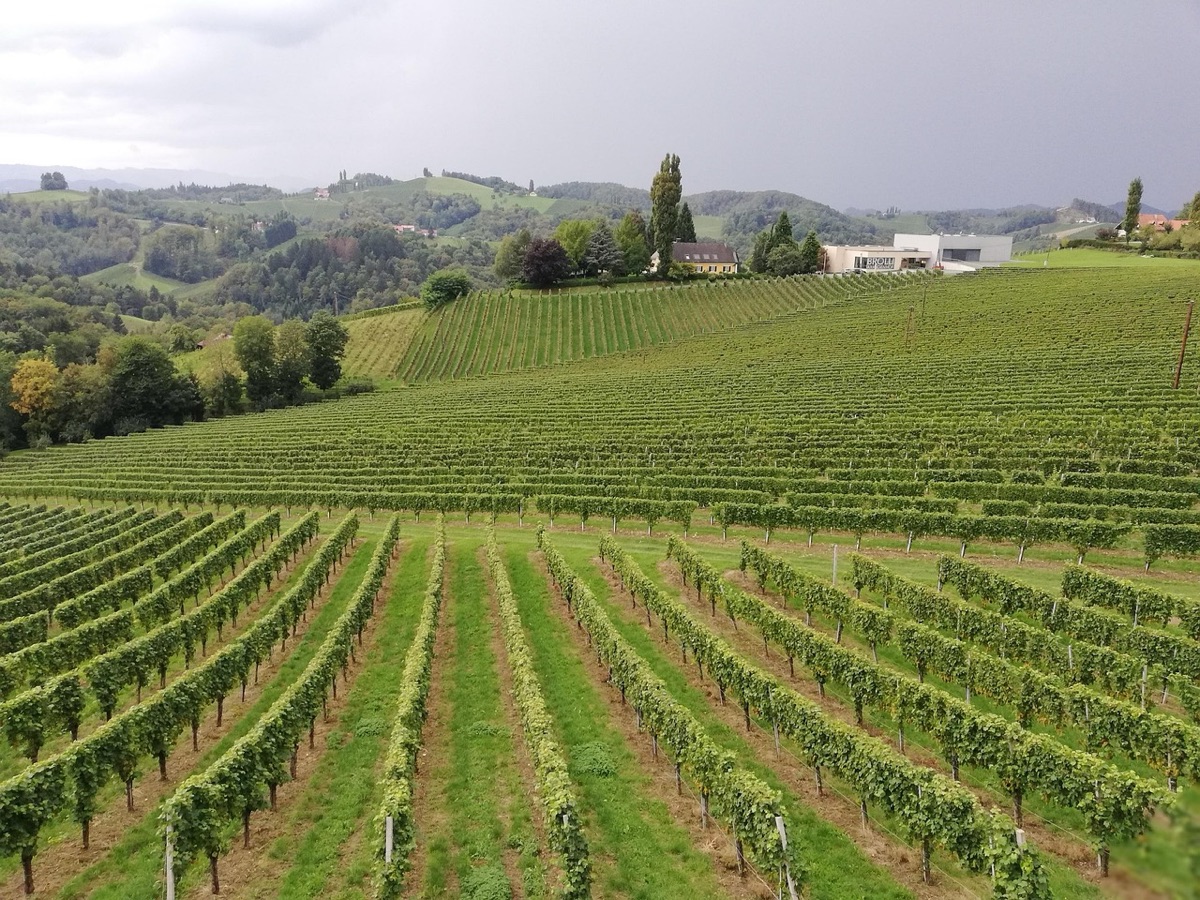
Different grape varietals behave differently during fermentation. For instance, grapes grown in warmer climates often reach higher sugar levels, which results in higher alcohol after fermentation. This often leads to bolder, more intense wines.
Conversely, cooler climates might produce wines with lower alcohol but higher acidity.
Aging potential is also tied to this chemistry. While alcohol provides structure, it must be balanced by acidity or tannins to allow a wine to evolve in the bottle. A wine with high alcohol but no acidity might feel "flabby" or overwhelming as it sits in a cellar.
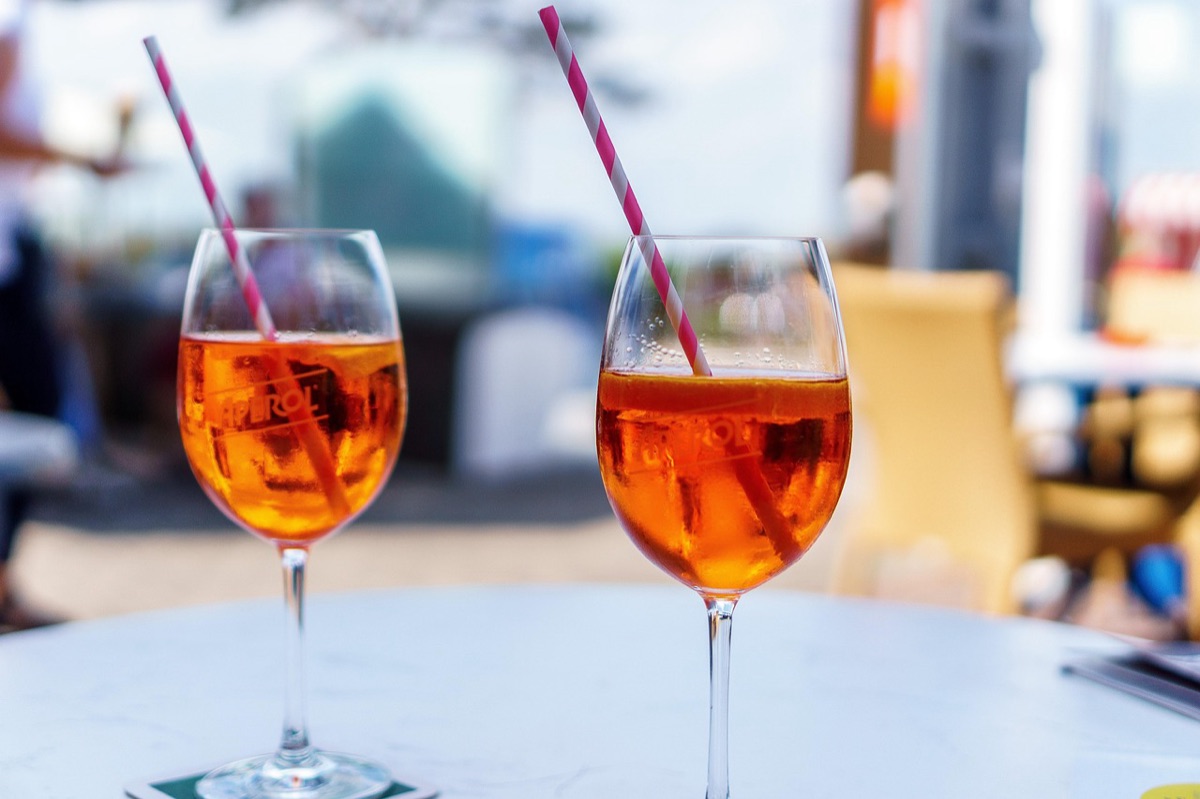
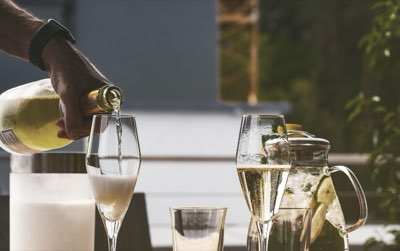
How do I match proof to different wine genres? A waiter places a chilled, pale straw-colored liquid in front of you, the condensation beadily running down the stem of the glass. It looks light, almost watery, but the aroma is surprisingly floral and crisp.
A 2019 survey conducted by the American Institute for Cancer Research (AICR) showed that only 45% of Americans were aware of the associated risk of cancer due to alcohol consumption, up from 39% in 2017.
According to a 2024 World Health Organization (WHO) report, these harmful consequences of alcohol use result in 2.6 million deaths annually, accounting for 4.7% of all global deaths.
Light-body wines, which typically feature lower alcohol content, are ideal for early courses or delicate foods. Varieties like certain Grüner Veltliner or Pinot Grigio offer a refreshing profile that doesn't overwhelm the palate. These are meant to be bright and easy-drinking.
Medium-body wines are the versatile "daily drivers" of the wine world. They strike a balance between acidity and the warmth of alcohol. Examples like Merlot or Sangiovese often sit in this sweet spot, making them suitable for a wide variety of casual meals.
Full-body wines are designed for richness and structure. These often have higher alcohol content and are meant to stand up to heavy, flavorful foods. Think Cabernet Sauvignon or Syrah. These wines are often robust enough to undergo longer aging processes.
Geographic nuances play a massive role here. Traditional wine regions often produce wines with specific alcohol profiles that reflect their local climate.
A heavy, high-alcohol wine from Napa Valley will feel very different from a lighter-bodied wine from the Loire Valley, even if they share similar grape origins.
How do I pair proof with my food? The steak arrives at the table, sizzling slightly, accompanied by a rich, dark reduction sauce. You reach for the red wine, knowing that the heavy meat requires something with equal strength.
According to World Bank data, the world recorded high-technology share of manufactured exports of 24.7% in 2024.
A 2019 survey conducted by the American Institute for Cancer Research (AICR) showed that only 45% of Americans were aware of the associated risk of cancer due to alcohol consumption, up from 39% in 2017.
The intensity match is a classic pairing strategy. High-proof, tannic red wines are perfect for fatty or rich foods, such as aged cheeses or game meats. The alcohol and tannins help "cut through" the fat, cleansing your palate so the next bite tastes as fresh as the first.
Contrast is another powerful tool. Using high-acid, lower-proof white wines can be an excellent way to cut through oily or heavy dishes, like fried seafood. The acidity acts as a bright counterpoint to the richness of the food.
Building a symphony involves using alcohol as a bridge. The goal is to ensure the wine's profile doesn't vanish when it meets the food, nor does it drown it out. If the wine is too weak, the food will taste overwhelming; if the wine is too strong, the food will taste bland.
For those building a home bar, it is wise to stock a variety. Having a range of proofs allows you to transition from light appetizers to heavy entrees without needing to run to the store.
| Wine Body | Typical Alcohol Range (ABV) | Common Food Pairings |
|---|---|---|
| Light Body | 7% - 12.5% | Salads, light seafood, appetizers |
| Medium Body | 12.5% - 13.5% | Poultry, pasta, vegetarian dishes |
| Full Body | 13.5% - 15%+ | Red meat, heavy stews, aged cheeses |
Beyond the Bottle: Factors Influencing Perceived Taste
You take a sip of a wine that was supposed to be refreshing, but it feels unexpectedly warm and heavy. You realize the room is warm, and the wine was served much too warm as well.
Temperature control is vital because heat amplifies the perception of alcohol. If a red wine is served too warm, the alcohol "heat" will mask the fruit flavors and make the wine taste medicinal. Conversely, if whites are too cold, the acidity might feel harsh and the body might seem nonexistent.
It is important to differentiate between acidity and alcohol. Acidity is the "sharpness" or "zing" you feel on the sides of your tongue. Alcohol is the "weight" and the warmth in the back of your throat. A well-balanced wine has both, but one should not completely mask the other.
Oxidation and age also change how we perceive proof. As wine ages and is exposed to air, the chemical structure shifts. A wine that once felt heavy might become more delicate, or a wine that was once bright might lose its acidity, making the alcohol feel more prominent.
One important caveat is that these rules are not absolute. A heavy food might be perfectly balanced by a light wine if the acidity is high enough, and a low-alcohol wine can still have massive flavor. The "rules" are merely a starting point for your own palate.
Quick Guide: Choosing Your Next Bottle
You stand in the wine aisle, staring at dozens of labels, feeling slightly overwhelmed by the sheer variety of numbers and regions. You realize you need a strategy to make sense of it all.
- Start with the menu: If you are eating heavy meat, look for higher alcohol/full-body reds. If you are eating light salads, go for low-alcohol whites.
- Check the ABV: Use the Alcohol by Volume (ABV) percentage on the label as a quick guide to the wine's likely body.
- Balance the "weight": If the food is heavy (rich sauces, fats), pick a wine with more "weight" (higher alcohol/tannins). If the food is light, pick a lighter wine.
- Build a versatile collection: Aim for a mix of low, medium, and high-body bottles to ensure you are always prepared for any meal.
For beginners, the simplest rule is to aim for the middle. If you are unsure, a medium-body wine is usually a safe bet for most casual dining situations. As you become more confident, you can experiment with the extremes of low-body whites and high-body reds.
#

Comments 0