Wine and Champagne History: Guide to Modern Flavors
"The history of wine and champagne is as complex as the fermentation process itself, where tradition meets the delicate balance of sugar and bubbles."
Understanding wine and champagne history requires looking at both the evolution of production and the distinct characteristics of different styles. This guide explores the nuances of sparkling wine, the role of vintage blending, and how to select the right bottle for your needs.
Key takeaways: * Traditional production methods involve specific grape varieties and aging processes. * Champagne regulation dictates how much of a vintage harvest can be used for specific labels. * Temperature and bottle size significantly impact the drinking experience.
How does the history of wine and champagne shape modern flavors?
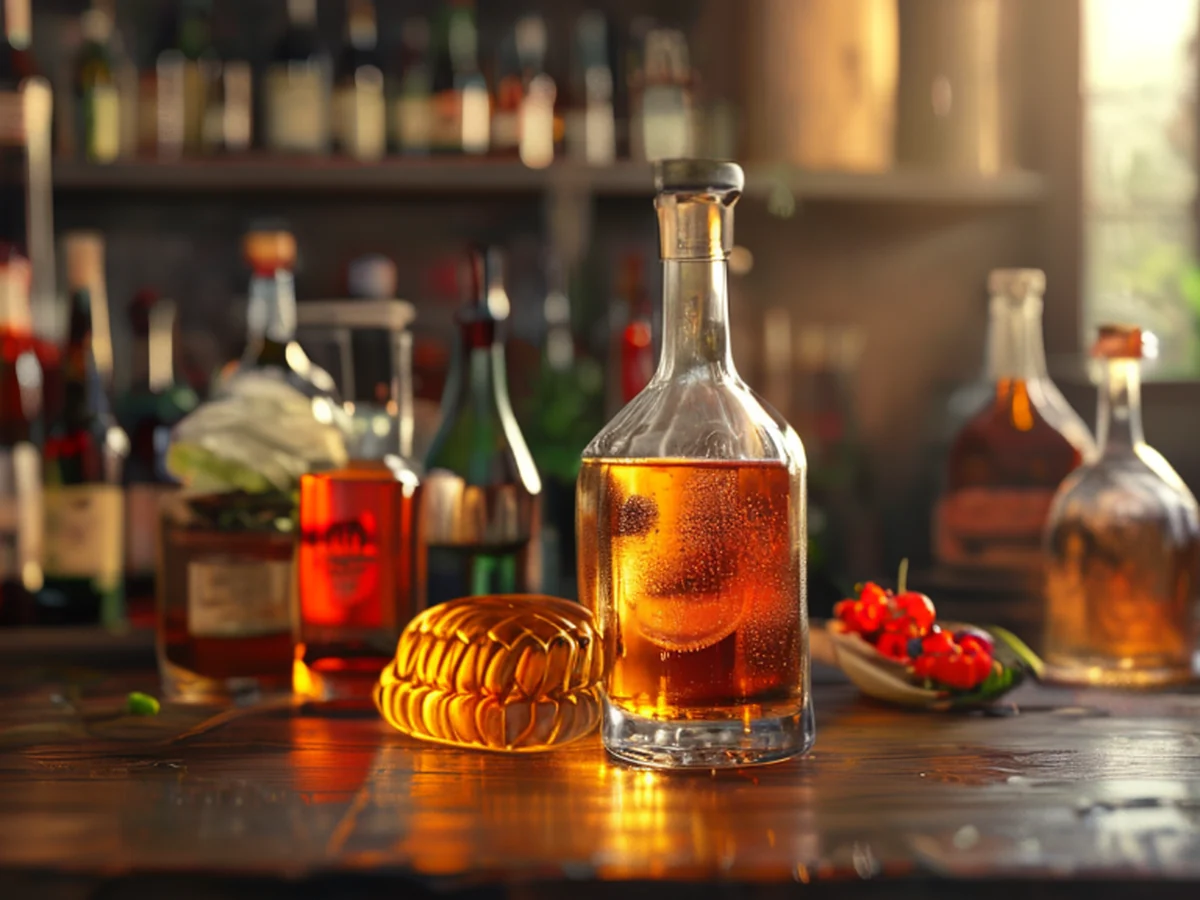
A dusty cellar door swings open to reveal rows of aging bottles, each holding centuries of tradition.
In the Soviet Union, all sparkling wines were historically referred to as шампанское (shampanskoe), meaning "that, which is of Champagne." This linguistic tradition highlights the global influence of the Champagne region on how sparkling wines are perceived.
The history of wine and champagne is deeply tied to how specific regions established their identities through unique fermentation and bottling. While many regions produce sparkling wines, the specific standards of Champagne have set a global benchmark for quality.
This legacy continues to influence how consumers categorize effervescent wines today.
What are the rules for vintage and non-vintage production? Wine and Champagne History
A producer stands in a vineyard, carefully sorting through various grape harvests to prepare for the coming year.
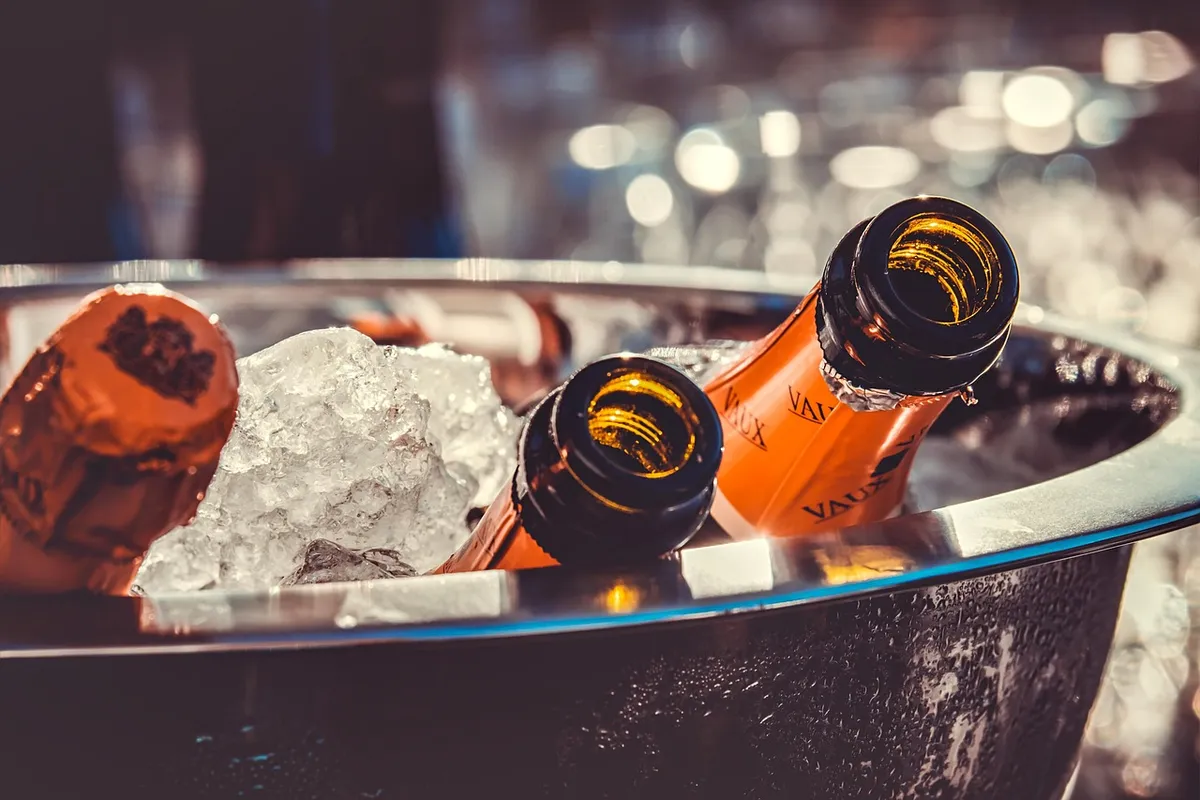
Under Champagne wine regulations, houses that make both vintage and non-vintage wines are allowed to use no more than 80% of the total vintage's harvest for the production of vintage Champagne. This rule ensures that the specific character of a single year is preserved in labeled vintage bottles.
This regulation allows at least 20% of the harvest from each vintage to be reserved for use in non-vintage Champagne. By managing these percentages, producers can maintain consistency across different labels.
Most base wines come from a single year vintage, but producers often blend between 10 to 15%—and sometimes as high as 40%—of wine from older vintages to add depth.
How do different bottle sizes affect the wine?
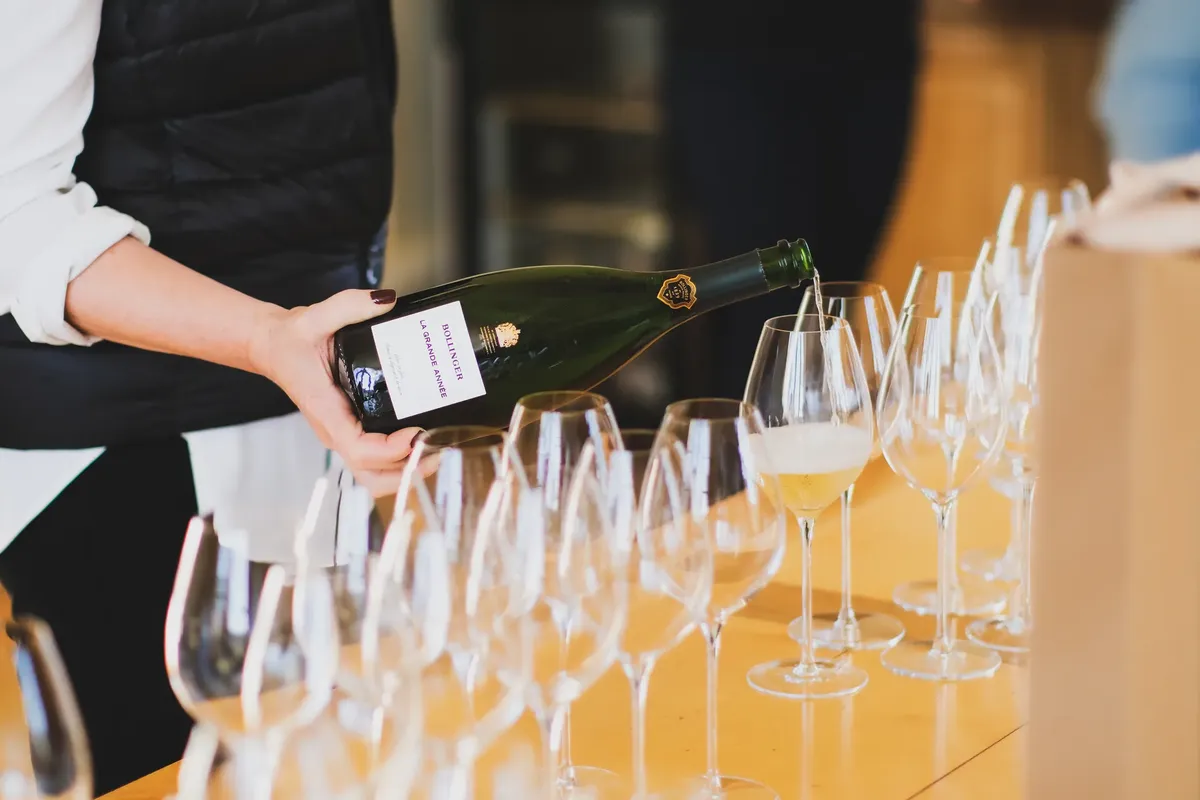
A waiter carefully carries a heavy glass vessel toward a table, the weight of the bottle shifting in their hand. Champagne is mostly fermented in two sizes of bottles, which are the standard 750 millilitres and the larger magnums of 1.5 litres.
These sizes are designed to accommodate the pressure of the bubbles and the volume required for different social settings.
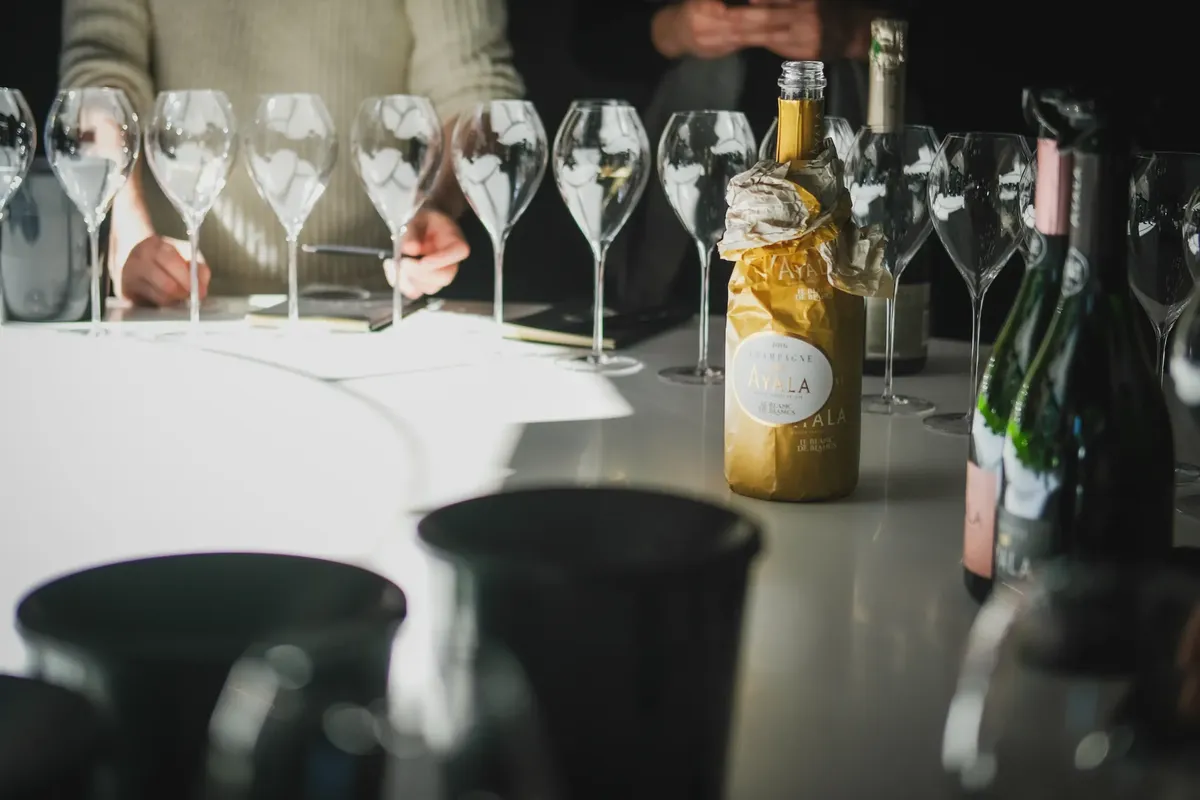
Beyond these common sizes, specialty bottles exist for grand celebrations. For example, Primat bottles hold 27 L, and Melchizedek bottles hold 30 L, which are exclusively offered by the House Drappier. Choosing the right wine often depends on the occasion and the volume of guests being served.
What is the role of sugar in champagne aging process?
A technician carefully adds a final liquid component to a bottle just before the cork is sealed. Just after disgorgement, a "liqueur de dosage" or liqueur d'expédition—a blend of typically cane sugar and wine—is added to adjust the levels of sugar.
This process can involve sugar amounts up to 750 g/litre to adjust the sweetness of the finished wine.
The sweetness of the wine is a primary factor in character, and this addition happens when bottled for sale. This step allows the producer to fine-tune the final profile, ensuring the balance between acidity and sweetness is met.
This adjustment is a crucial part of the champagne aging process to achieve the desired flavor profile.
How can you manage the risks of sparkling wine production?
A cellar hand watches nervously as a sudden pop echoes through the stone walls of the aging room. The disturbance caused by one bottle exploding could cause a chain reaction, making it routine for cellars to lose 20–90% of their bottles this way.
Managing the pressure and structural integrity of bottles is a constant reality in traditional sparkling wine cellars.
Safety and pressure management are vital when handling these delicate bottles. Because a sparkling wine cork is almost 50% larger than the opening of the bottle, the seal must be incredibly secure. These risks are part of the historical reality of large-scale cellar management.
How do you choose the right wine for your table?
An empty glass sits on a linen tablecloth, waiting for the perfect pour. When choosing the right wine, consider the specific grape varieties and the intended serving temperature. Based on data from USDA FoodData Central, red table wine contains 0.46mg of iron and 85kcal of energy per 100g.
For instance, the sparsely cultivated varieties of Arbanne, Petit Meslier, and Pinot blanc can still be found in modern cuvées from a few producers.
| Feature | Standard Bottle | Magnum |
|---|---|---|
| Volume | 750 millilitres | 1.5 litres |
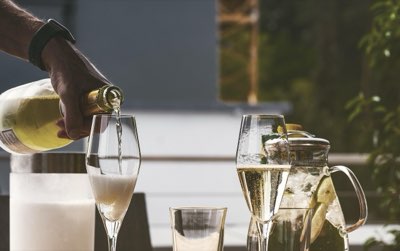
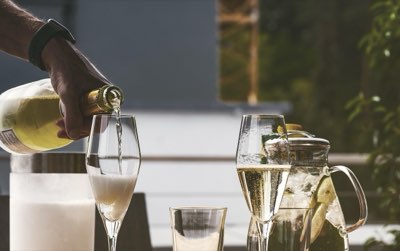
To ensure the best experience, remember that Champagne is always served cold, with an ideal drinking temperature of 7 to 9 °C (45 to 48 °F). I remember checking the temperature of a chilled bottle before a dinner party to ensure it was perfect.
Selecting a bottle based on these factors helps in pairing food with wine effectively.
- How does the history of wine and champagne shape modern flavors?
- What are the rules for vintage and non-vintage production?
- How do different bottle sizes affect the wine?
The subject here is Wine and Champagne History.
The same subject is also called Wine taste and history.
The same subject is also called Wine pairing guide.
This part also covers Terroir affects wine taste.
This part also covers Body and alcohol in wine.
Terroir affects wine taste
Related
- Guide: Wine choice location benefits for modern collectors
- Spirits history: Flow of spirits history guide
How does the history of wine and champagne inform modern choices?
The history of wine and champagne dictates that the chosen grape varieties and the intended serving temperature must align with the bottle's contents.
For example, the specific characteristics of Arbanne, Petit Meslier, and Pinot blanc grapes, which have a long history in the region, remain relevant in modern cuvées.
The comparison between bottle sizes influences the intended use of the wine. While the 750 millilitre bottle is standard, the larger formats like the magnum suggest a different scale for the occasion.
The history of wine and champagne suggests that the aging process, involving careful management of the fermentation and subsequent blending, contributes to the final quality of the product. This blend of tradition and modern execution defines the modern bottle.
Comments 0