Craft beer choice guide: See how the market grew to 5,200
"The craft beer movement has transformed from a niche hobby into a global cultural phenomenon, redefining how we understand brewing traditions and market diversity."
A craft beer choice guide involves understanding the distinctions between different brewery types and the evolving definitions of the industry. This guide covers the history of brewery growth, the nuances of brewing classifications, and the shifting market landscape.
Key takeaways: * Historical growth shows a shift from 89 breweries in 1979 to thousands in recent years. * Definitions of craft beer involve independence, small scale, and traditional methods. * Understanding the difference between brewpubs and taprooms helps in selecting local experiences.
How did the craft beer market evolve?
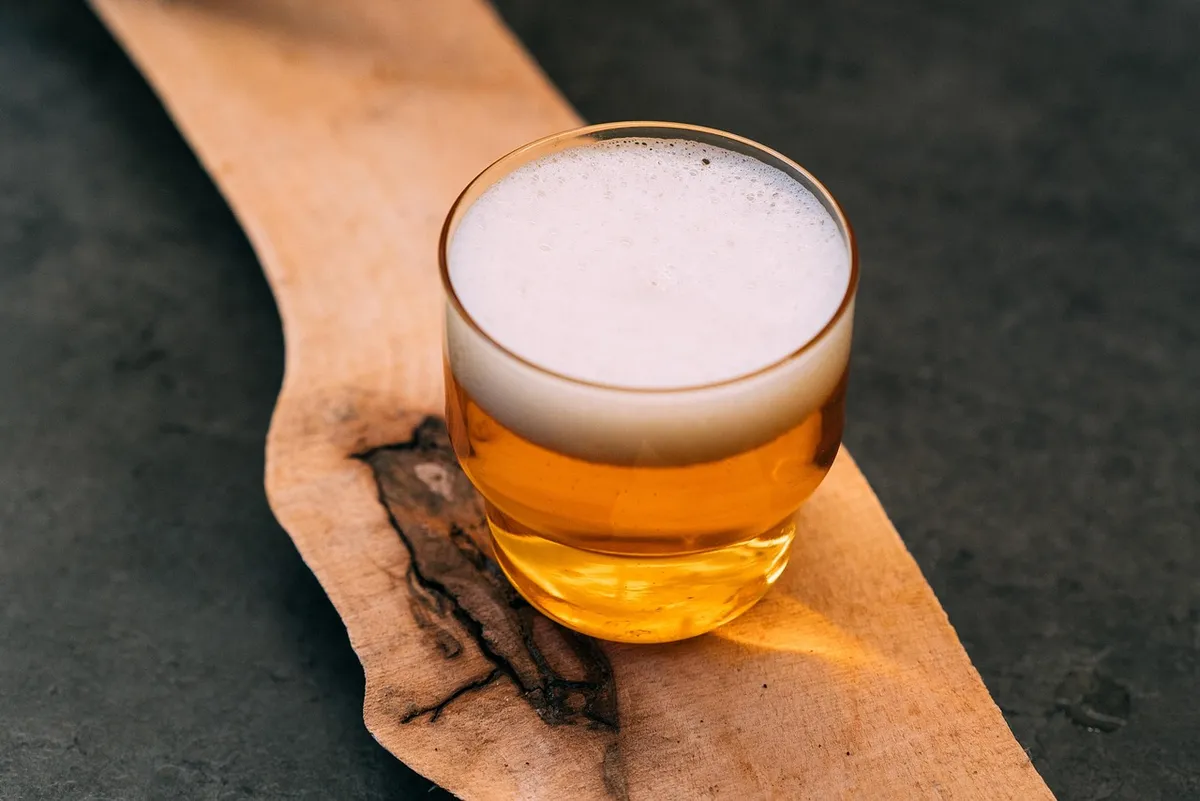
A person walks into a local taproom, smelling the heavy scent of hops and malt, wondering how the industry grew so large. The market has seen massive expansion over the decades, moving from a small group of enthusiasts to a dominant presence in the beverage sector.
The Association reported that craft beer production doubled between 2011 and 2016, with the number of breweries growing from 2,000 in 2011 to 5,200 in 2016, according to the Association reported that craft beer production.
According to the Brewers Association, craft beer production doubled between 2011 and 2016, with the number of breweries growing from 2,000 in 2011 to 5,200 in 2016. This rapid expansion reflects a growing consumer interest in specialized brewing.
In 1979, only 89 breweries existed in the US. By March 2013, the Brewers Association reported a total of 2,416 US breweries were in operation, with 2,360 considered craft breweries.
This represents 98 percent of the total, consisting of 1,124 brewpubs, 1,139 microbreweries, and 97 regional craft breweries.
The scale of this industry changed how people approach a Beer pairing guide. As the number of producers grew, the variety of styles became more accessible to the general public.
What defines a craft brewery? Craft beer choice guide
In the quiet dimness of the cellar, the brewer runs a hand over the cold steel kettle to perfect his unique craft.
A brewer carefully selects grains and hops, ensuring the batch meets specific standards of quality and tradition. Understanding these standards is essential for anyone using a craft beer selection process.
In March 2014, the Brewers Association updated the definition of craft beer to remove any references to the use of adjuncts in the brewing process. This change helped clarify the focus on traditional brewing methods.
A Taste comparison beer session often begins with these definitions in mind. Consumers look for the independence and small-scale nature that these terms imply.
According to Association Members Committed To Striving for, the 2020 record includes 20%.
How can I distinguish between brewpubs and taprooms?
A patron sits at a wooden table, deciding between a full meal or just a single pint. Distinguishing between different types of establishments is a key part of a Beer flow guide.
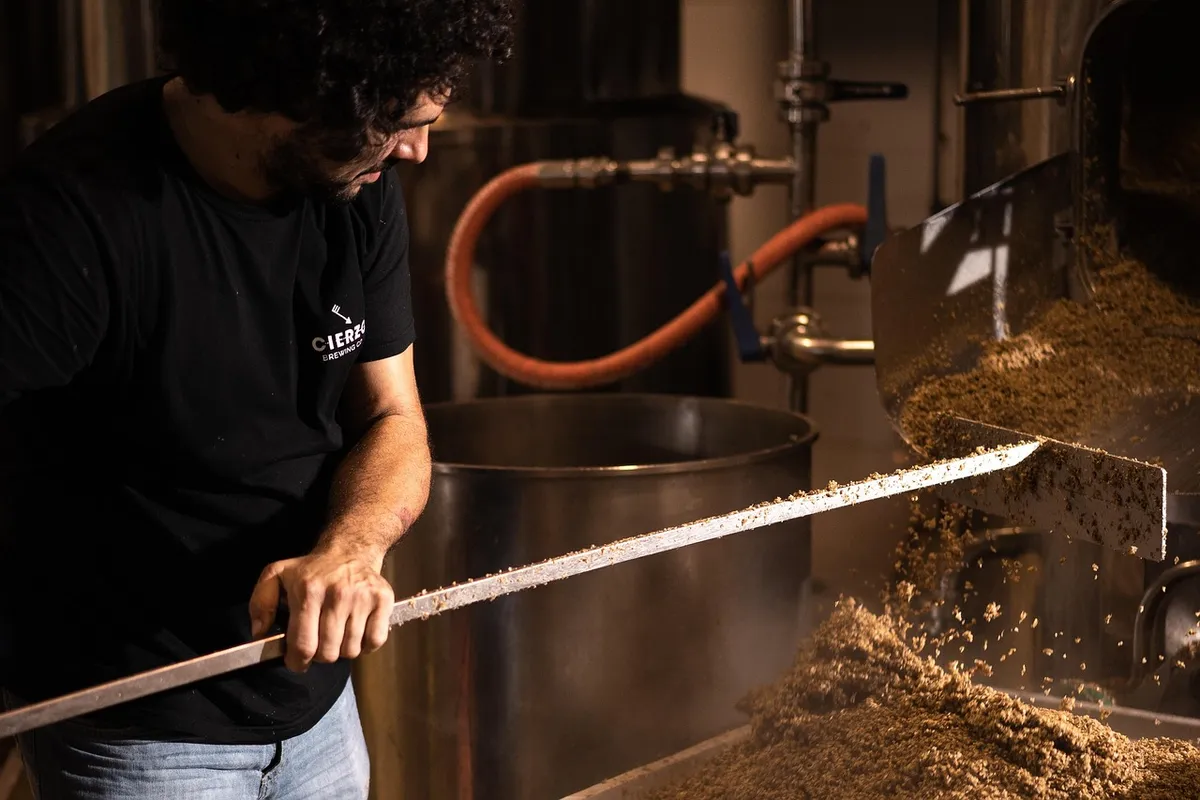
The distinction often comes down to the amount of food served on-site. In the United States, a brewpub is defined as selling 25 percent or more of its beer on-site and operating significant food services.
Conversely, a taproom brewery is a professional brewery that sells 25 percent or more of its beer on-site and does not operate significant food services. This distinction helps set expectations for the dining experience.
I remember visiting a small taproom where the focus was entirely on the fermentation tanks, while a brewpub offered a full kitchen. Knowing these differences helps plan a visit.
What were the challenges to industry growth?
A business owner looks at a closed government office, realizing how external factors can disrupt production schedules. Even successful industries face periods of stagnation due to regulatory shifts.
External events can create an activity lull for producers. Following the federal US government shutdown on October 1, 2013, craft beer producers were forced into an activity lull due to the closure of the Alcohol and Tobacco Tax and Trade Bureau (TTB), an arm of the Treasury Department.
Such interruptions can impact the ability of breweries to maintain consistent supply. These moments highlight the vulnerability of small-scale producers to political and regulatory changes.
What were the industry's goals?
An organizer stands before a group of brewery owners, discussing the future of their shared market. Setting targets is a common way to drive industry-wide progress.
Association members committed to striving for a goal of 20 percent market share by 2020. Gary Fish, owner of Deschutes Brewery and 2014 chair of the BA Board, explained that the 20-by-20 objective was an aspirational goal for the craft community, intended to provide inspiring symmetry.
While these goals drive innovation, they also represent the ambition of a growing sector. This drive for market presence has shaped the modern landscape.
How does culture impact beer appreciation?
A traveler tastes a traditional Belgian ale, feeling the weight of centuries of brewing history in every sip. Cultural recognition can elevate a beverage from a simple drink to a respected tradition.
In 2016, UNESCO inscribed Belgian beer culture on their list of the intangible cultural heritage of humanity. This recognition highlights the deep-rooted traditions associated with specific brewing regions.
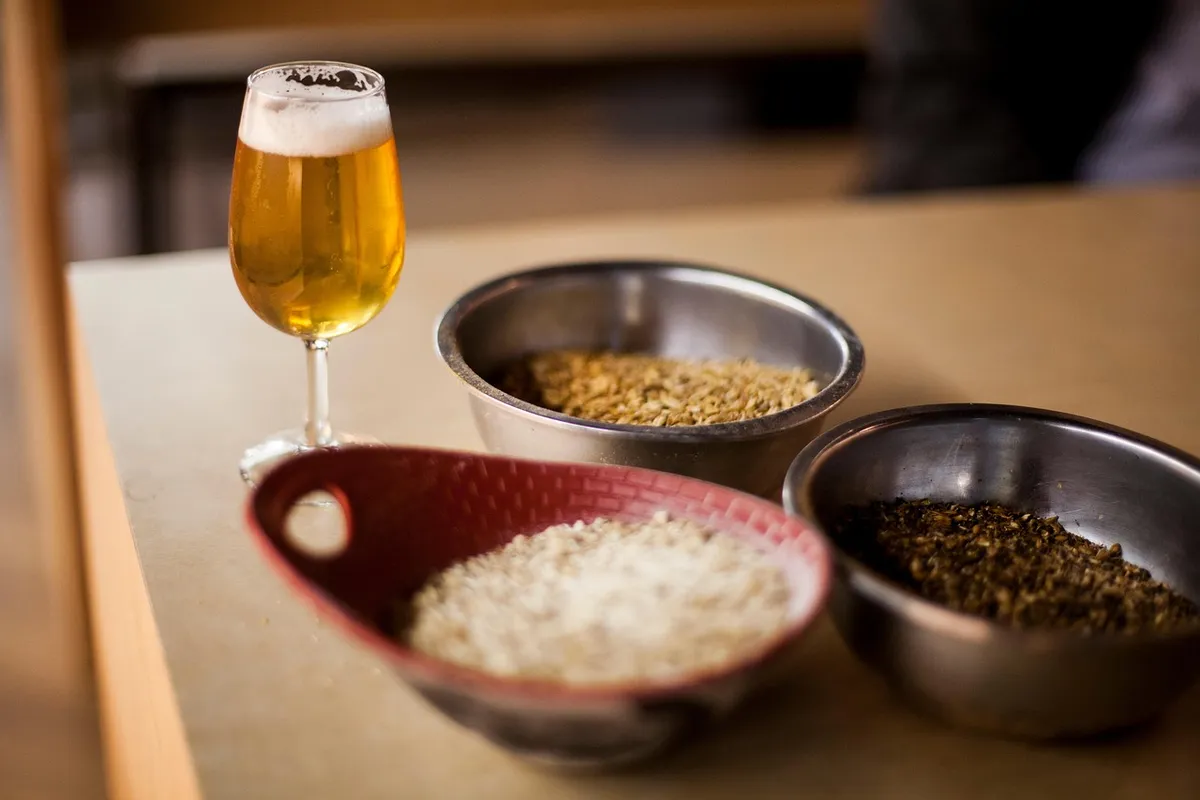
Cultural heritage provides a backdrop for how different regions value their local brews. It turns the act of drinking into an engagement with history.
Wikipedia: Craft beer Based on the retained excerpt mentioning Association Members Committed To Striving for: Association members committed to striving for a goal of 20 percent market share by 2020, and Gary Fish, owner of Deschutes Brewery and 2014 chair of the BA Board, explained: The 20-by-20 objective is an aspirational goal for our craft community, with an inspiring symmetry.
- How did the craft beer market evolve?
- What defines a craft brewery?
- How can I distinguish between brewpubs and taprooms?
The subject here is Craft beer choice guide.
This part also covers Brewery ingredient prep.
This part also covers Alcohol content guide.
Related
- Craft beer choosing guide: Understanding 2,416 US breweries
- Cocktail history and taste: Why ingredients matter most
How does the market reflect the industry's growth?
The scale of the craft beer market mirrors the journey from a small group of enthusiasts to a major beverage presence. This growth trajectory shifted the consumer experience from niche interest to mainstream appreciation.
The initial small group of dedicated drinkers has expanded into a broader market base.
This shift meant that the variety available to the average consumer increased substantially as production numbers climbed. The initial focus on specialized tastes has broadened to accommodate wider palates. The journey reflects a maturation of both the product and its consumer base.
The early presence of only 89 breweries contrasts sharply with the thousands operating today. This dramatic increase demonstrates successful market penetration and sustained consumer engagement with the craft beer offering.





Comments 0