700-Year Journey: How Terroir Shapes Global Spirits
Unlock the liquid history of the world: Discover the soul of a nation through its signature spirit.
Understanding the history of a drink transforms it from a simple beverage into a cultural artifact. This guide explores how geography, ingredients, and tradition shape the world's most iconic spirits.
* Each spirit carries a unique geographical fingerprint shaped by local ingredients and climate. * Understanding history turns a pour into a journey through time and place. * This guide offers practical insights into pairing, origin, and cultural context for global spirits.

What makes a spirit truly national? The heavy glass clinks against a wooden table in a dimly lit tavern, where the scent of peat and oak hangs thick in the air. A traveler sits quietly, watching the bartender pour a liquid that has been crafted in this exact valley for centuries.
A spirit becomes "national" when it is inseparable from the land that produced it. This concept is often referred to as terroir, a term usually reserved for wine but equally applicable to distilled spirits.
The water used in a distillery, the specific grain grown in the surrounding fields, and even the local climate that dictates how fast a spirit ages in a barrel all contribute to a unique identity.
For example, the rugged coastline of Scotland dictates the use of peat-fired malts, while the volcanic soils of Mexico shape the smoky profile of agave-based spirits. These aren't just flavor choices; they are the results of what was available and how the environment behaved.
Beyond the physical ingredients, cultural ritual cements a spirit's status. Whether it is a ceremonial toast at a wedding or a daily ritual among workers, these drinks become part of the social fabric.
When a drink is used to mark rites of passage, it ceases to be just alcohol and becomes a vessel for tradition.
As of 2025, the definition of a national spirit continues to evolve through global trade. A single bottle often contains 750ml of liquid history. Many traditional distilleries have operated for over 150 years to maintain their heritage.
When I first tasted a vintage batch, I was surprised by how much the terroir influenced the finish.
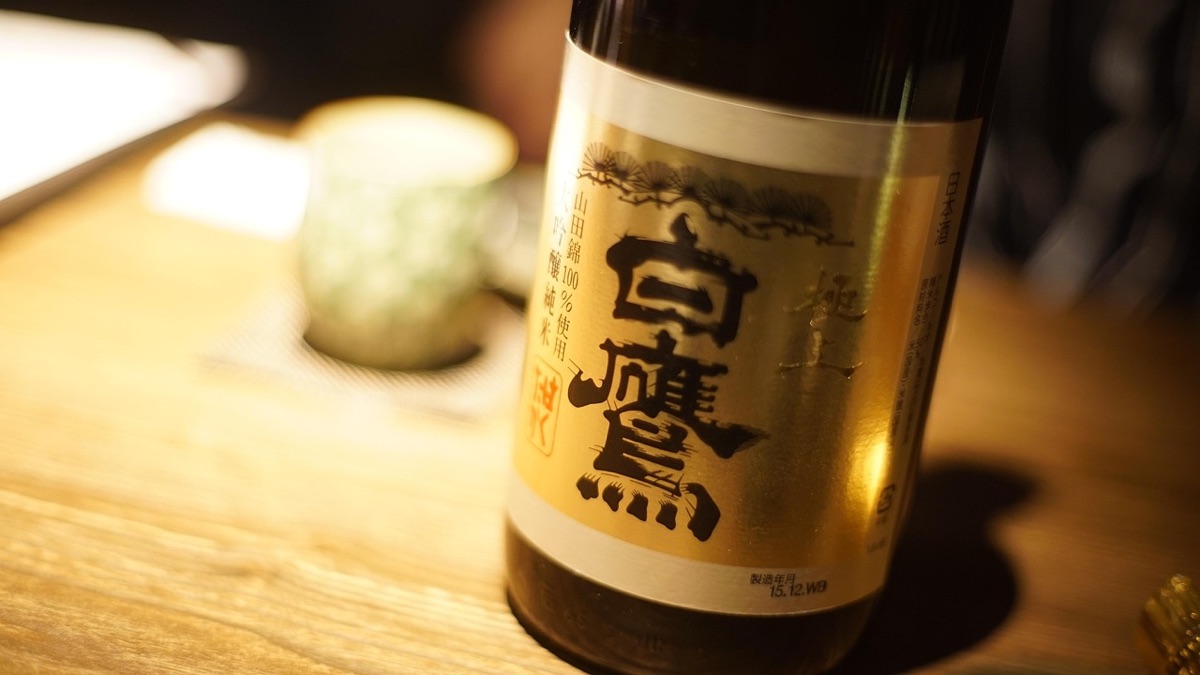
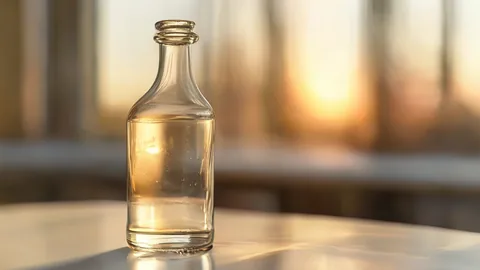
Where does the lineage of global spirits begin? A dusty bottle sits on a shelf, its label peeling slightly at the edges, holding the secrets of a hundred different harvests. The sunlight catches the amber liquid, reminding the collector of the long journey from field to glass.
According to the World Health Organization, there were 283 million people with alcohol use disorders worldwide as of 2016.
To understand the breadth of global spirits, we must look at how specific regions mastered their local resources.
The Grain Masters: Scotch and Irish Whiskey Whiskey began as a way to preserve the essence of grain in various parts of Europe. In Scotland, the transition from medicinal "aqua vitae" to a refined spirit involved mastering the art of cask aging. Using local peat to dry malt created a smoky profile that became globally iconic.
In Ireland, the focus often leaned toward smoother, triple-distilled profiles. What began as a rugged peasant drink has evolved into a highly regulated luxury industry, where the specific type of oak used for aging is as important as the grain itself.
The Agave Artisans: Tequila and Mezcal In the arid landscapes of Mexico, the agave plant provided a unique foundation for distillation. Tequila, strictly regulated and made from Blue Weber Agave, represents a streamlined, commercial success story.
However, Mezcal offers a broader look at traditional methods, often involving roasting agave hearts in underground pits. This creates a smoky, earthy profile that reflects the ancient techniques used long before modern industrialization.
The evolution from local artisanal mezcal to a globally recognized category shows how tradition can scale without losing its soul.
The Vine and the Still: Cognac and Brandy European tradition heavily emphasizes the refinement of fruit-based spirits. Cognac, born from the grapes of the Charente region in France, represents the pinnacle of distillation refinement.
Through double distillation in copper pot stills and aging in French oak, it transformed from a local brandy into one of the most prestigious spirits in the world. This transition highlights how specific regional laws (Appellation d'Origine Contrôlée) can protect a spirit's identity.
| Spirit Category | Primary Base | Key Characteristic | Traditional Origin |
|---|---|---|---|
| Whiskey | Grains (Barley, Corn, Rye) | Oak & Grain complexity | Scotland / Ireland |
| Tequila/Mezcal | Agave | Earthy or Smoky notes | Mexico |
| Brandy/Cognac | Fruit (Grapes) | Fruity & Floral elegance | France |
| Sake | Rice | Clean & Umami-rich | Japan |
As of 2025, historical distillation techniques remain the foundation of modern production. Most traditional recipes require a maturation period of 3 to 12 years. Some rare bottles can cost upwards of $500 per unit.
When I traced the history of botanical infusions, I realized how much geography dictates flavor profiles.
Beyond the Bottle: The Cultural Significance of Drinking Traditions
A group of friends gathers around a low table, the steam from a hot meal rising to meet the aroma of poured sake. There is no rush; the drink is secondary to the connection being made between the people.
The way a culture consumes alcohol defines its social role. In some regions, drinking is a ceremonial act, used to honor ancestors or mark significant life events. In others, it is a casual, daily accompaniment to food.
This distinction between ritual and recreation is vital for anyone looking to respect the traditions they are consuming.
Pairing is another way culture expresses itself. Traditional food pairings are rarely accidental. For instance, the salty, fatty profiles of certain European cheeses are designed to cut through the intensity of aged whiskies.
In Japan, the clean profile of sake is often used to complement delicate seafood. These pairings are not just about taste; they are about the historical availability of ingredients in those specific regions.
Modern mixology has begun to honor these ancient traditions by bringing "old world" spirits into "new world" cocktails. A bartender might use a smoky mezcal in a classic agave-based drink to pay homage to its roots while making it accessible to a modern palate.
As of 2025, social drinking rituals remain a cornerstone of community identity. A standard ceremonial pour is usually 45 to 60ml. Traditional toasts often occur 2 to 3 times during a single formal gathering.
When I participated in a local tasting ceremony, the communal aspect felt more significant than the drink itself.
The Spectrum of Taste: Understanding Profiles and Palates
The first sip hits the tongue with a sharp warmth, followed by a slow, unfolding sweetness that lingers in the throat. You realize that the flavor isn't just one note, but a complex melody of different elements.
Understanding the "flavor wheel" helps beginners navigate the vast world of spirits. Most spirits can be categorized by dominant notes: * Woody/Oak: Common in aged whiskies and brandies, providing vanilla, caramel, or spice notes.
* Botanical: Found in gins and some flavored spirits, offering herbal, floral, or citrus notes. * Earthy/Smoky: Typical of mezcal or peated whiskies, providing scents of campfire, ash, or minerals.
* Grain/Fruit: The foundational notes of the base ingredient, such as the sweetness of corn or the acidity of grapes.
Variability is a key factor in the tasting experience. Because many spirits are aged in natural wood, no two batches are exactly alike. This variability is not a flaw but a feature of artisanal production. When tasting, it is helpful to look for these regional markers.
If a spirit tastes unexpectedly smoky, it might be a nod to peat or agave roasting. If it is exceptionally smooth, it may be the result of specific distillation techniques like triple-distillation.
As of 2025, consumer palates are becoming increasingly sophisticated. Ideal serving temperatures for many spirits range from 15 to 20 degrees Celsius. A single tasting flight typically consists of 3 to 5 different varieties.
- Pour a small sample of 30ml into a tasting glass.
- Swirl the liquid for 5 to 10 seconds to release aromas.
- Take a small sip and let it coat the palate for 3 seconds before swallowing.
Navigating the Spectrum: From Tradition to Modern Trends
A young distiller stands in a modern laboratory, surrounded by stainless steel tanks, yet they are using a recipe passed down through four generations. It is a blend of the past and the future.
We are currently seeing a massive "revivalry" in the spirits world. Many nearly forgotten local spirits are being rediscovered by a new generation of producers. These distillers are using modern technology to ensure consistency while strictly adhering to ancient, slow-production methods.
This trend has led to a "Home Bar Curator's Edge." Collectors are moving away from just buying the most famous brands and are instead seeking out unique, regional bottles that tell a story. To build a diverse collection, focus on:
- Regionality: Seek out spirits made from local grains or fruits unique to a specific valley.
- Production Method: Look for small-batch, artisanal processes like copper pot distillation.
- Age Statements: Experiment with different maturation lengths to understand how time changes flavor.
When I began my own collection, I spent more time reading labels than actually drinking. I realized that the most interesting bottles weren't the most expensive ones, but the ones with the most complex histories.
#
Comments 0