Importance of alcohol content: 21% viscous liquid guide
"A standard drink of 10g alcohol is used in the WHO AUDIT (Alcohol Use Disorders Identification Test)'s questionnaire form example, and has beenたい adopted by more countries than any other amount."
Understanding the importance of alcohol content is essential for anyone exploring global spirits or managing consumption.
This guide covers how different alcohol levels define a drink's character, from light rice wines to potent distilled liquors, while highlighting how fermentation and ingredients influence strength.
You will learn about various ABV ranges, the role of fermentation in nutritional content, and how to identify different styles.
This overview covers diverse alcohol levels and traditional recipes, though it is limited to the specific alcohol percentages and fermentation details provided in the current data.
How does the importance of alcohol content affect the flavor profile?
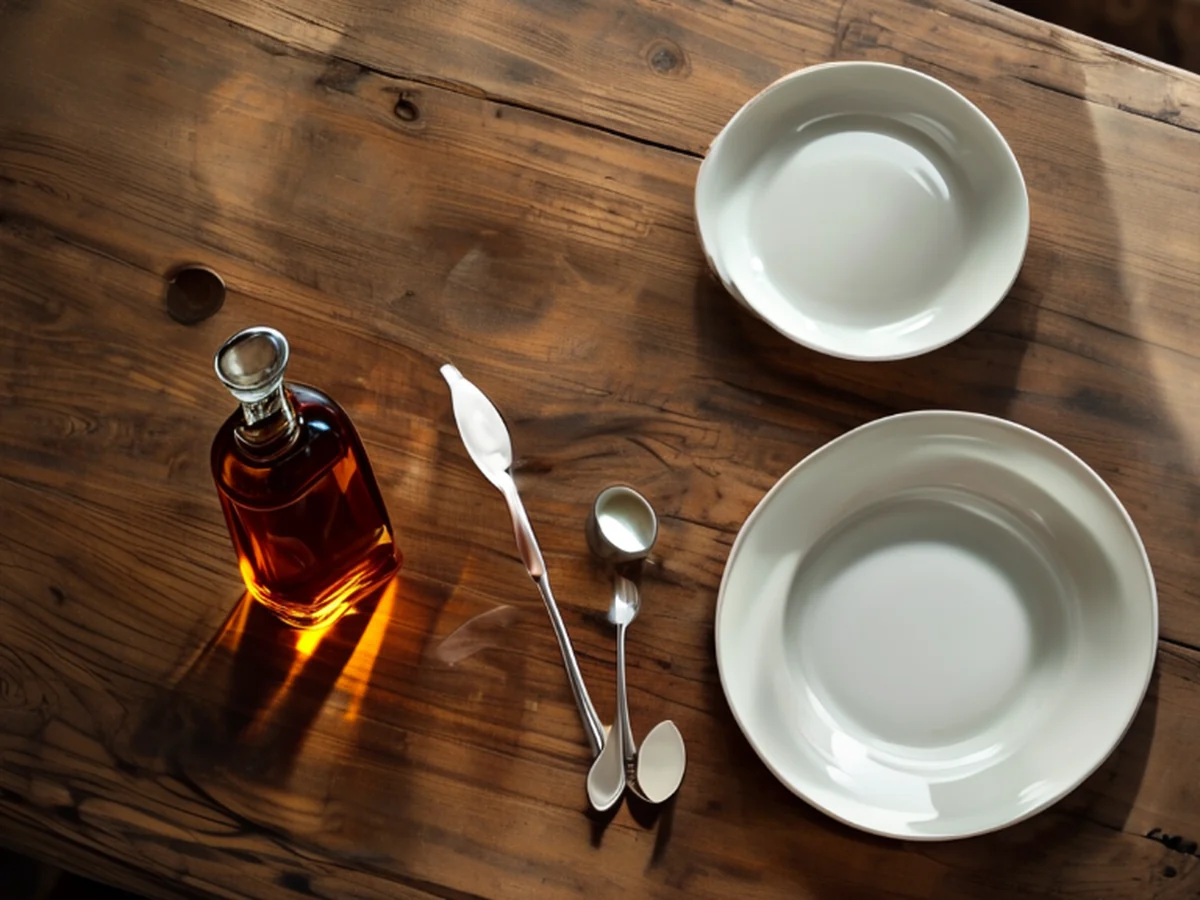
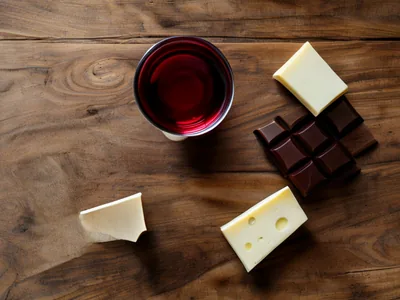
A glass of light-yellowish-brown liquid sits on a wooden table, its viscous texture catching the light. This drink contains about 21 percent alcohol, offering a specific balance of sweetness and body.
The importance of alcohol content is often tied to the sensory experience of the drink itself. For instance, a sweet and viscous liquor with 21 percent alcohol provides a different mouthfeel compared to much stronger spirits.
When considering the role of alcohol percentage, the level of ethanol significantly dictates how much the aroma is carried to the nose.
A drink with 13 percent alcohol, such as Baekse-ju, which is infused with ginseng and eleven other herbs including licorice and omija, offers a more nuanced, herbal profile. In contrast, higher alcohol levels can mask subtle botanical notes or, conversely, enhance them through evaporation.
Higher alcohol concentrations can sometimes mask delicate aromatic notes. However, this relationship is not always linear across different base ingredients.
What is the role of alcohol percentage in traditional fermentation?
A craftsman watches over a large ceramic vessel where grains undergo a slow transformation. The natural process of fermentation produces not just alcohol, but also complex nutritional components.
The role of alcohol percentage is deeply connected to the biological activity within the mash. During fermentation, microorganisms interact with the base ingredients to create unique chemical profiles.
According to the provided data, due to the microorganisms present during fermentation, a beverage can contain 1.9 percent protein, over 10 amino acids, vitamin B, inositol, and choline.
This shows that alcohol content is not just about strength, but a byproduct of a biological process that builds flavor and nutrition. Understanding how ABV affects taste involves recognizing that these microorganisms are responsible for both the alcohol and the secondary compounds.
The sugar-to-alcohol conversion process is fundamental to traditional methods. This principle does not apply to modern synthetic spirit production.
How can we navigate the national liquor ABV guide?
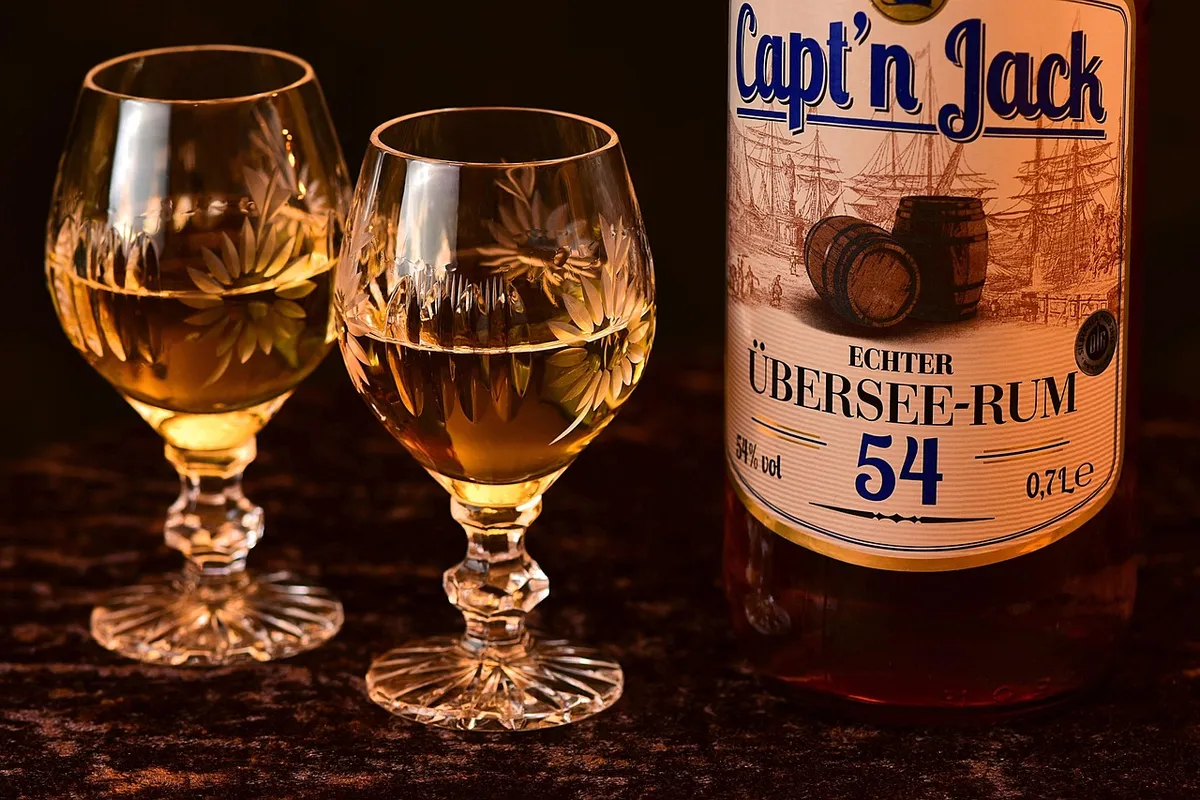
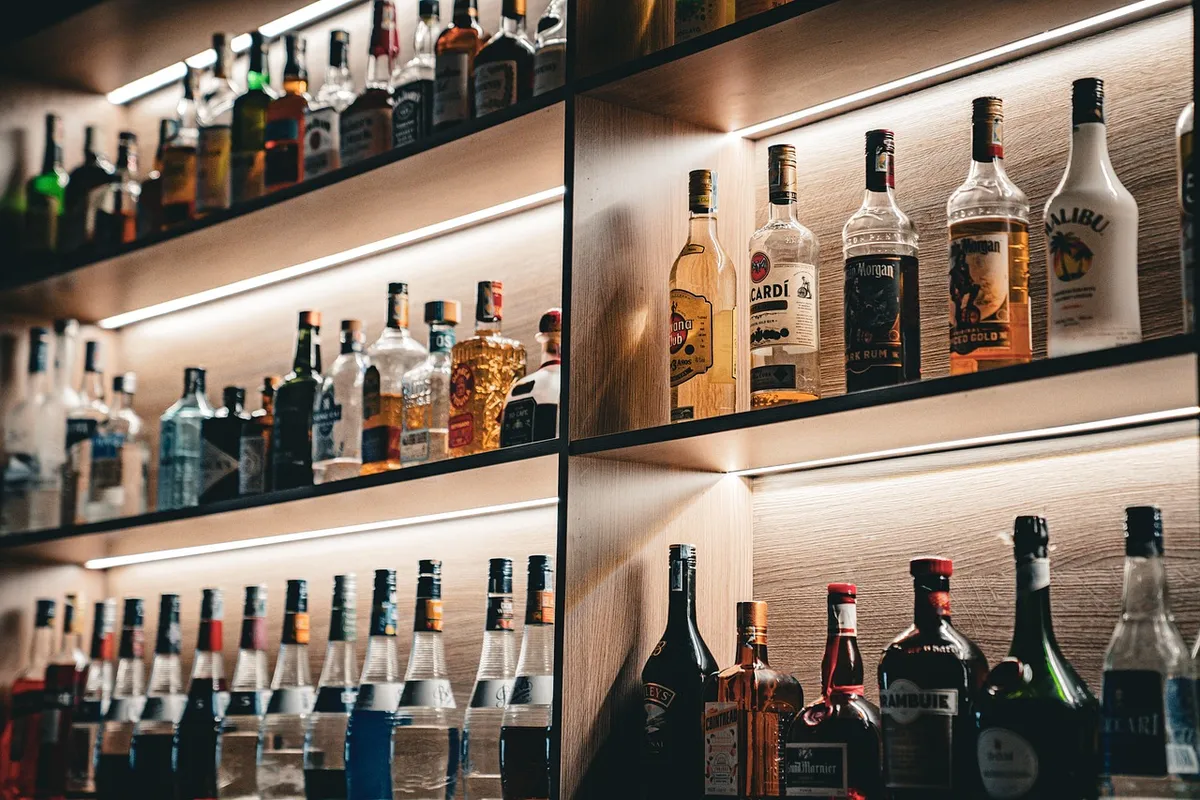
A traveler looks at a menu featuring various bottled spirits from different regions. Each bottle represents a different standard of strength and tradition.
A national liquor ABV guide helps drinkers understand what to expect from regional specialties. For example, traditional liquors made from malted millet, sorghum, wheat, rice, and nuruk can reach a strength of 40 percent alcohol by volume.
Meanwhile, other traditional styles might sit at a more moderate 20 percent alcohol by volume. If you are looking for a way to choose the right alcohol level, comparing these ranges is vital.
While some drinks like Baekse-ju sit at 13 percent, others reach much higher levels, making the choice between a light rice wine and a heavy spirit a matter of the intended occasion.
Understanding these classifications helps in identifying standard beverage strengths. This guide is not intended for use in industrial manufacturing settings.
What is the meaning of alcohol levels in historical context?
An archivist examines ancient texts describing how people consumed spirits in centuries past. The descriptions suggest much lower levels of strength than modern bottles.
The meaning of alcohol levels has shifted significantly throughout history due to changes in distillation technology.
Historical records suggest that proto-baijiu was likely only about 15% ABV, as literature from that time recorded "bowls of alcohol consumed," suggesting it was weaker than the modern form. This indicates that the impact of ABV on flavor was once much different than it is today.
Modern distilled liquors, such as certain Chinese liquors, can range between 35% and 60% alcohol by volume. Recognizing these shifts helps in understanding why certain traditional drinks maintain specific strengths to honor their historical roots.
Historical production methods often resulted in varying levels of potency. These historical trends do not necessarily reflect modern quality standards.
How do we compare different spirit strengths?
Two bottles, one clear and one amber, are placed side by side on a tasting mat. The contrast in their clarity and color highlights their different origins.
| Liquor Type | Alcohol Content (ABV) |
|---|---|
| Baekse-ju (Infused Rice Wine) | 13% |
| Traditional Grain Liquor | 40% |
I observed that the 13 percent alcohol in the infused wine creates a much different experience than the 40 percent grain liquor. When you are choosing the right alcohol level, it is helpful to see these wide gaps.
Some drinks are designed for sipping, like the 21 percent viscous liquor, while others are much more potent.
Comparing spirits requires looking at both ABV and mouthfeel. This comparison is not applicable when evaluating non-alcoholic botanical infusions.
How to approach different alcohol strengths
A person holds a small tasting glass, carefully observing the liquid before taking a sip. They follow a specific sequence to ensure they can taste the nuances of the spirit.
When encountering diverse spirits, follow these steps to manage the experience:
- Identify the base ingredients and the stated alcohol percentage to set expectations for strength. 2. Observe the visual characteristics, such as color and viscosity, which often correlate with the alcohol level. n3. Sip in small amounts to allow the aroma and the heat of the alcohol to interact with the palate.
Always perform a final check to ensure the alcohol level matches the intended serving style, such as neat or diluted.
Approaching different strengths requires a sensory-focused method. In this sequence, the first step is the most critical.
- How does the importance of alcohol content affect the flavor profile?
- What is the role of alcohol percentage in traditional fermentation?
- How can we navigate the national liquor ABV guide?
How ABV affects taste
Related
Comments 0