70-Year Journey: How Terroir Shapes Your Spirit Taste
"A glass of spirits is never just a drink; it is a liquid map of the soil, the weather, and the history of the people who made it."
Understanding the world through its bottles allows us to travel through flavor, moving from the smoky highlands of Scotland to the sun-drenched vineyards of France. This guide explores how geography and tradition shape the spirits we enjoy today.
* Regional diversity in spirits is driven by local agriculture and historical trade routes. * The distinction between fermentation and distillation defines the fundamental character of a drink. * Modern trends are seeing a revival of ancient techniques blended with globalized tastes. * True appreciation requires understanding both the liquid and the cultural context of its origin.
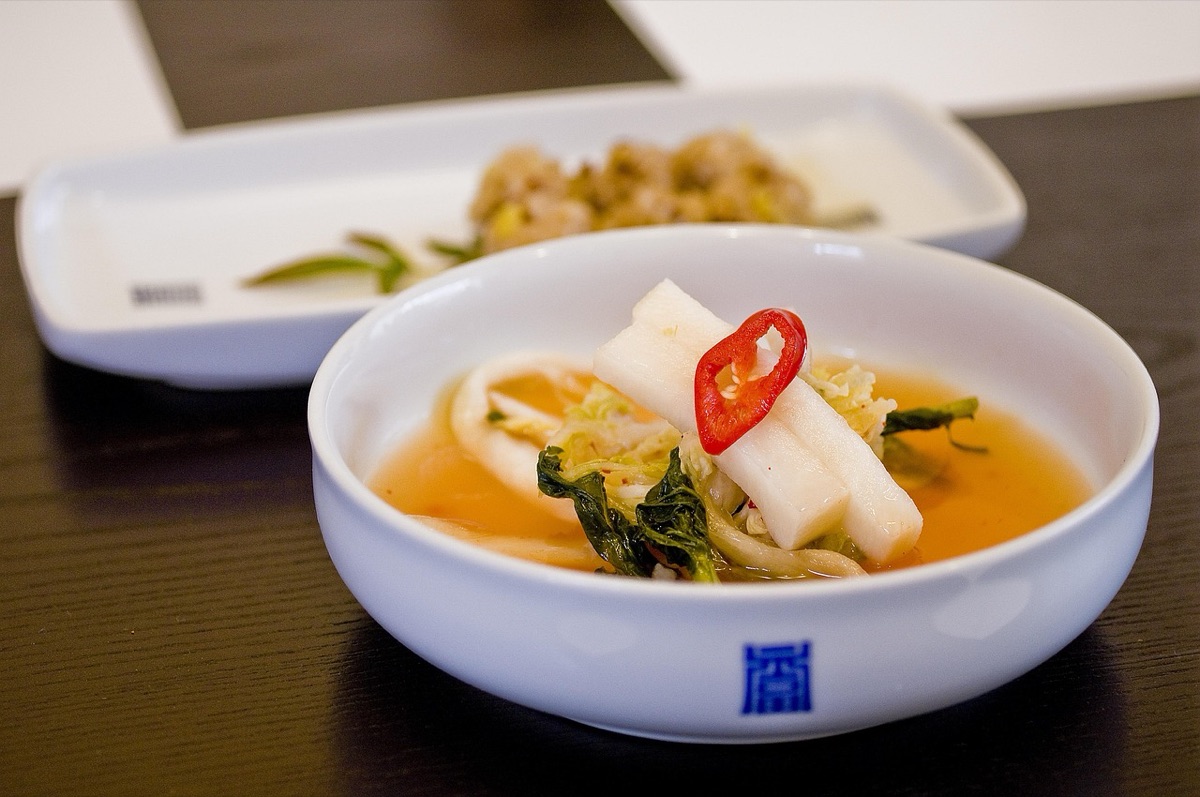
Is it the style or the soil that makes the spirit? A heavy glass decanter sits on a dark wooden desk, the amber liquid catching the afternoon sun. You swirl the liquid, watching the way it clings to the sides of the glass, wondering why one drink feels like silk while another hits like a punch.
The fundamental difference between a wine and a whiskey lies in the process of creation. Fermentation is the natural process where yeast converts sugars into alcohol, creating beverages like beer and wine.
Distillation takes that fermented liquid and heats it to concentrate the alcohol, resulting in much higher proof spirits like vodka or bourbon.
The base material—whether it is corn, grapes, rice, or agave—dictates the initial body of the drink. This starting point determines how much character is left once the alcohol is concentrated.
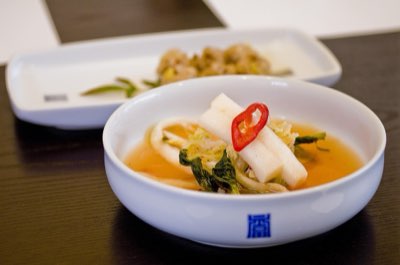
For example, some fermented products contain unique biological signatures, such as the 1.9 percent protein content found in certain brews due to the microorganisms present during fermentation.
While fermentation provides the soul, aging provides the complexity. Many spirits are aged in wooden casks to pull tannins and flavors from the wood, whereas others are bottled shortly after production to preserve fresh, bright notes.
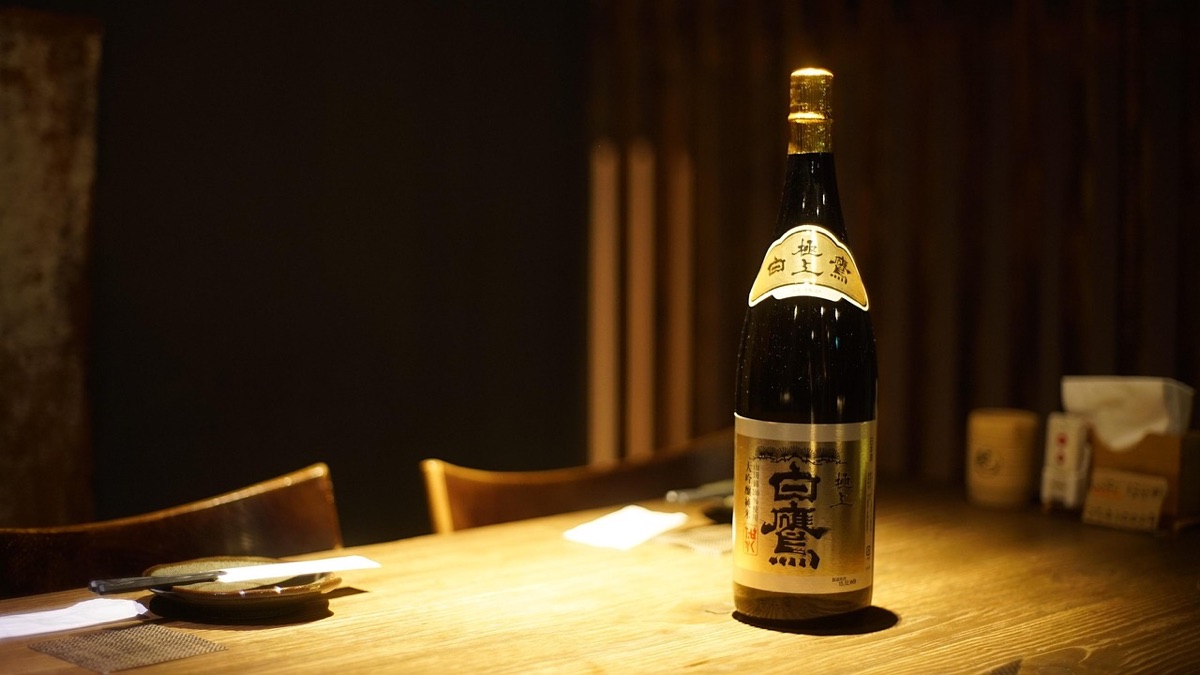
Who are the legendary icons of the spirit world? A dusty bottle of bourbon sits next to a delicate ceramic carafe of sake in a traveler's kit. One represents the rugged frontier of the Americas, while the other represents the refined precision of East Asia.
The spectrum of whiskey offers a perfect look at how local ingredients change everything. In the United States, Bourbon must be made from at least 51 percent corn and aged in new, charred oak containers. This creates a sweeter, heavier profile compared to the malt-heavy whiskies of Scotland.
In Asia, the focus often shifts toward the purity of the grain. Sake, for instance, relies on the meticulous control of rice fermentation, producing a profile that is clean, slightly sweet, and highly nuanced.
Other regional traditions use herbal infusions or ginseng to create medicinal or celebratory spirits that stand apart from Western styles.
The contrast between white spirits and dark spirits is equally striking. Vodka is often prized for its neutrality and clarity, while Gin is defined by the botanical infusions that give it a floral or spicy edge.
Rum, born from sugarcane, offers a tropical, often sweeter profile that tells a story of maritime history.
| Spirit Category | Primary Base | Common Flavor Profile | Typical Process |
|---|---|---|---|
| Whiskey | Grain (Corn, Barley, Rye) | Oak, Vanilla, Smoke | Fermentation + Distillation + Aging |
| Wine | Grapes | Fruit, Tannin, Acidity | Fermentation |
| Sake | Rice | Umami, Floral, Clean | Specialized Rice Fermentation |
| Agave Spirits | Agave | Earthy, Peppery, Sweet | Cooking + Fermentation + Distillation |
The Art of the Palate: Tracing the Taste Evolution
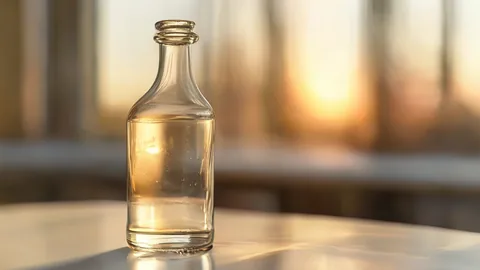
An old man in a coastal village pours a clear liquid into a small shot glass, his movements practiced over decades. He remembers when the drink was much stronger and cloudier than the refined bottles sold in the city today.
Tastes have never been static; they evolve alongside technology and global trade. Historically, spirits were often much harsher and less consistent, produced in small batches with varying levels of purity.
Modern refinement has introduced much tighter quality controls, leading to the smooth, consistent profiles we expect in premium bottles today.
As production methods improved, the way we perceive flavor changed. We moved from simply seeking high alcohol content to appreciating subtle nuances like viscosity and color. The "legs" of a wine or the heavy body of an aged rum are indicators of sugar content, alcohol, and extraction methods.
Modern palates often seek a balance between tradition and accessibility. While some enthusiasts chase the most intense, traditional flavors, the global market has seen a rise in smoother, lighter profiles that appeal to a broader audience.
This tension between the old ways and new tastes drives much of the industry's innovation.
Beyond the Bottle: Pairing, Ritual, and Modern Trends
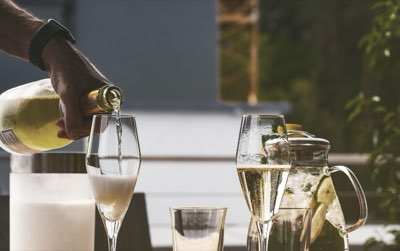
A group of friends sits around a large dining table, passing around various bottles as the meal progresses. The atmosphere shifts from the bright, acidic wines of the appetizer to the heavy, dark spirits that accompany the dessert.
The way we consume spirits is as much about the ritual as the liquid itself. In many cultures, the way a drink is poured or the specific glassware used is a matter of deep respect.
This ritualistic element often dictates the social atmosphere, whether it is a formal toast or a quiet moment of reflection.
In modern dining, the art of pairing has become a science. Matching the body of a spirit to the richness of a meal is essential. A heavy, peaty scotch might stand up to a smoked meat dish, while a light, floral gin is better suited for a fresh salad or citrus-based appetizers.
We are also seeing a massive rise in cocktail culture, where base spirits are transformed through mixers. This allows for greater creativity, as bartenders use the structure of a spirit to build complex, multi-layered flavors.
This trend has bridged the gap between traditional connoisseurs and casual drinkers.
- Identify the Base: Determine if the drink is grain, fruit, or sugar-based. 2. Assess the Proof: Understand the alcohol strength to gauge the intensity of the flavor. 3. Analyze the Aging: Check if the character comes from the raw ingredients or the wooden cask. 4. Consider the Ritual: Note the glassware and serving temperature, as these change the aroma. 5. Test the Pairing: Experiment with how acidity, sweetness, and spice interact with food.
Understanding the Risks of Consumption
A quiet room holds the weight of a heavy conversation about health and moderation. It is a reminder that while the history of spirits is rich, the impact on the human body is a serious reality that cannot be ignored.
According to a 2019 survey conducted by the American Institute for Cancer Research (AICR), only 45% of Americans were aware of the associated risk of cancer due to alcohol consumption.
A 2024 World Health Organization (WHO) report states that harmful consequences of alcohol use result in 2.6 million deaths annually.
While exploring the world of spirits is an enriching cultural journey, it is vital to acknowledge the health implications. Alcohol consumption carries significant risks that vary based on usage and individual biology.
According to a 2024 World Health Organization (WHO) report, harmful consequences of alcohol use result in 2.6 million deaths annually, accounting for 4.7% of all global deaths. This highlights the global scale of the health impact.
Furthermore, the WHO estimates that nearly half of alcohol-attributable cancers in the WHO European Region are linked to light or moderate drinking, defined as consuming less than 1.5 liters of wine, less than 3.5 liters of beer, or less than 450 milliliters of spirits per week.
Awareness of these risks is growing. A 2019 survey by the American Institute for Cancer Research (AICR) showed that 45% of Americans were aware of the associated risk of cancer due to alcohol consumption, an increase from 39% in 2017.
Additionally, the World Health Organization (WHO) estimated there were 283 million people with alcohol use disorders worldwide as of 2016.
Understanding these statistics is not meant to diminish the cultural appreciation of spirits, but to provide a necessary context for responsible consumption.

Comments 0