Drink pairing travel vibe: Guide to enhancing your journey
"The right drink can turn a simple meal into a lasting memory of a journey."
Finding the right drink pairing for your travels involves matching the local atmosphere with specific flavor profiles. This guide covers how to select beverages based on regional characteristics, cultural context, and travel styles.
Key takeaways include understanding seasonal availability, respecting local traditions, and using digital resources to research regional specialties.
How do you achieve a drink pairing travel vibe?
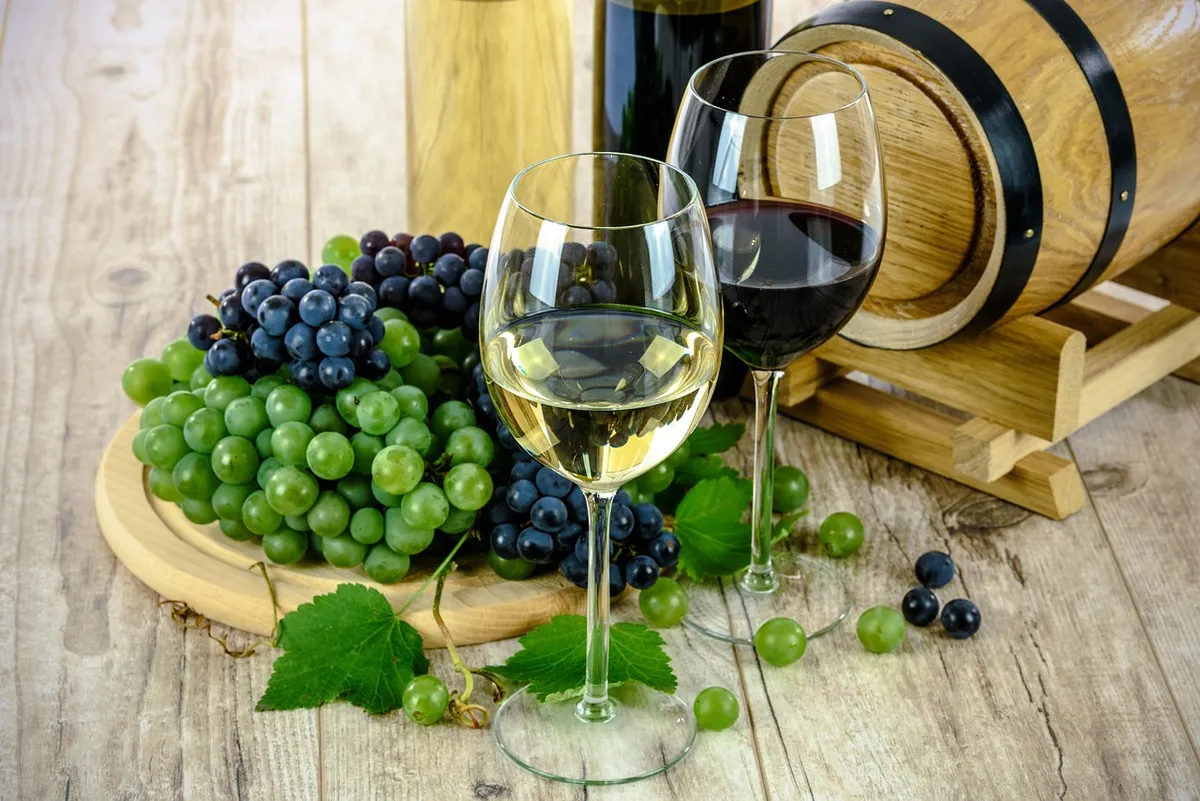
A traveler stands in a bustling local market, scanning colorful bottles and hand-labeled jars. To achieve a drink pairing travel vibe, one must look beyond the menu and consider the environment. This means matching the weight of the drink to the climate and the intensity of the local cuisine.
When you travel, the goal is often to find a seamless blend between the palate and the surroundings. Choosing your perfect sip requires an understanding of how acidity, sweetness, or carbonation interacts with local spices.
A light, effervescent drink might suit a coastal afternoon, while a fuller-bodied option complements a structured dinner.
The process of matching drink to journey involves observing what locals consume during specific times of day. A successful pairing enhances the food without overpowering the subtle nuances of a regional dish.
This harmony ensures that the beverage serves as a bridge to the local culture rather than a distraction.
- Select a beverage that reflects the local culture.
- Choose a setting that complements the drink's profile.
- Synchronize your pace with the environment.
How can you find the perfect pairing journey?
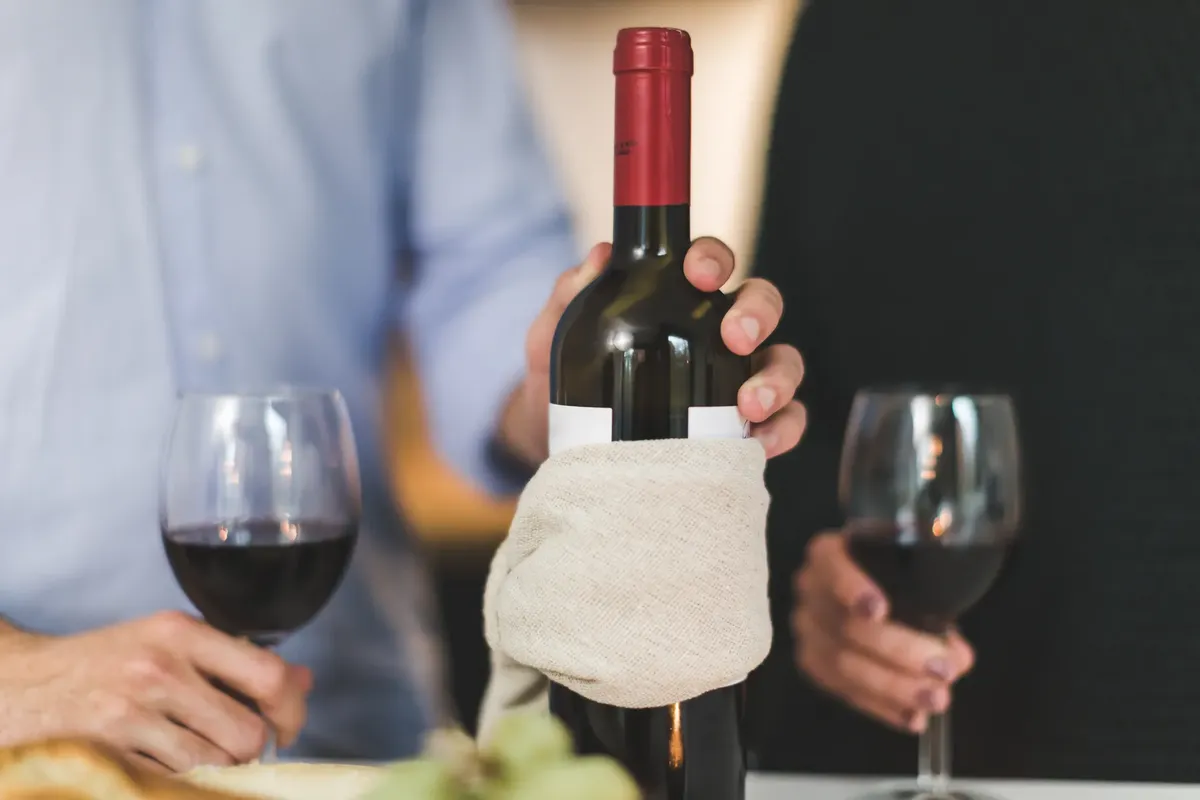
A traveler sits at a quiet outdoor cafe, watching the sun dip below the horizon while contemplating a local vintage. Finding a perfect pairing journey requires research and an openness to new sensory experiences.
Digital tools have made it easier to explore these nuances before even arriving at a destination.
For instance, some enthusiasts use online platforms to learn about regional nuances. In 2006, a famous entrepreneur started Wine Library TV, a daily webcast on YouTube covering wine, which helped many people learn about diverse flavor profiles.
Such resources provide a foundation for understanding how different regions express their unique terroir.
The taste of travel match often depends on the freshness of ingredients found at the destination. Learning about the specific grape varieties or fermentation styles of a region can guide your selection. This preparation allows you to approach a new menu with confidence and curiosity.
In this sequence, the first step is the most essential.
According to World Bank, the 2025 record includes 73.6%.
What is the guide for a taste of travel match?
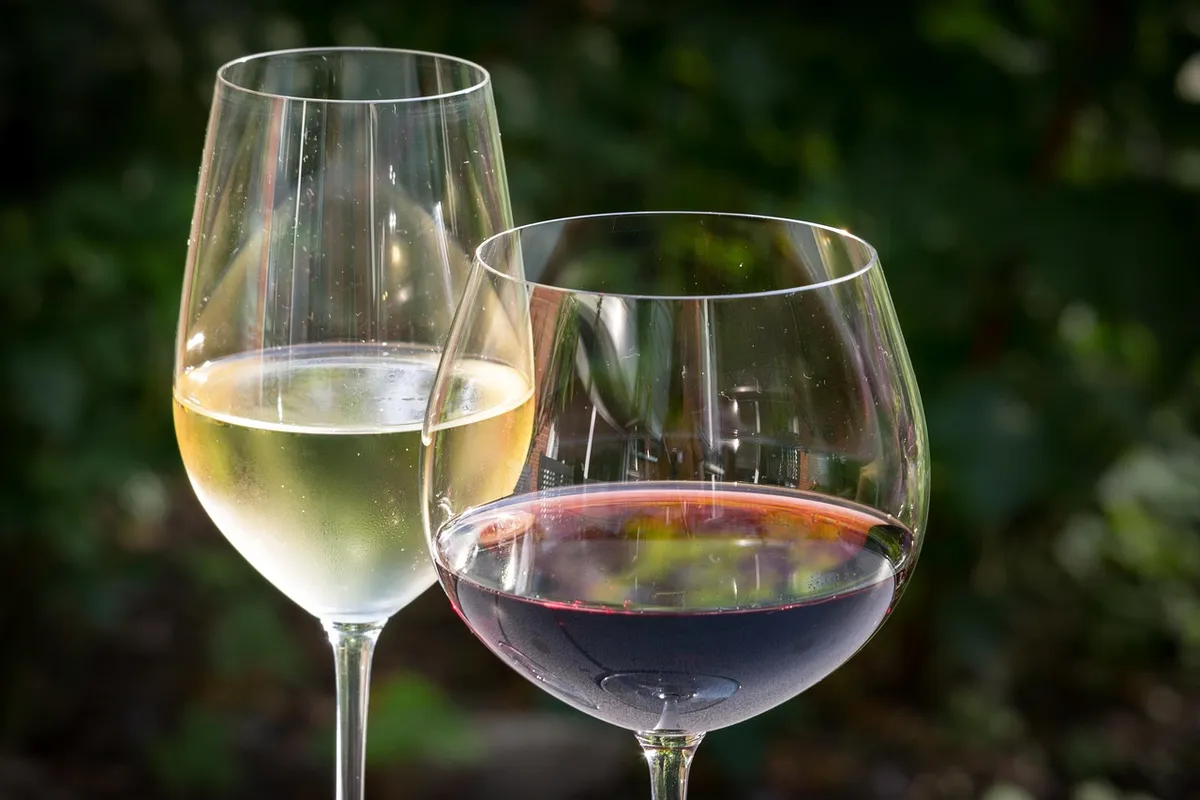
A traveler walks through a vineyard, feeling the warmth of the sun and the texture of the soil. A travel's ideal color guide suggests that the visual and sensory elements of a drink should reflect the landscape.
According to World Bank data, the world recorded international tourist arrivals of 2,403,074,088 in 2019.
This approach ensures that the drink feels like an extension of the place you are visiting.
To effectively apply these concepts, follow these three steps:
- Research the primary local ingredients and traditional beverage styles of the region. 2. Observe the local dining etiquette to ensure the drink choice respects cultural norms. 3. Test small pours to see how the beverage interacts with local spices or heavy oils.
After selecting a drink, perform a final check by tasting it alongside a signature local dish to ensure balance. I once tried to apply these steps by selecting a dry local cider to cut through a heavy, savory meal in a mountain village.
A limitation of these methods is that local availability can change due to seasonal shifts or sudden supply changes.
How to blend your drinks with the landscape?
A traveler watches the rain fall against a windowpane, holding a warm glass that reflects the moody sky. Learning how to blend your drinks with the landscape involves considering the "color" or mood of the travel experience. The atmosphere of a place often dictates the ideal beverage profile.
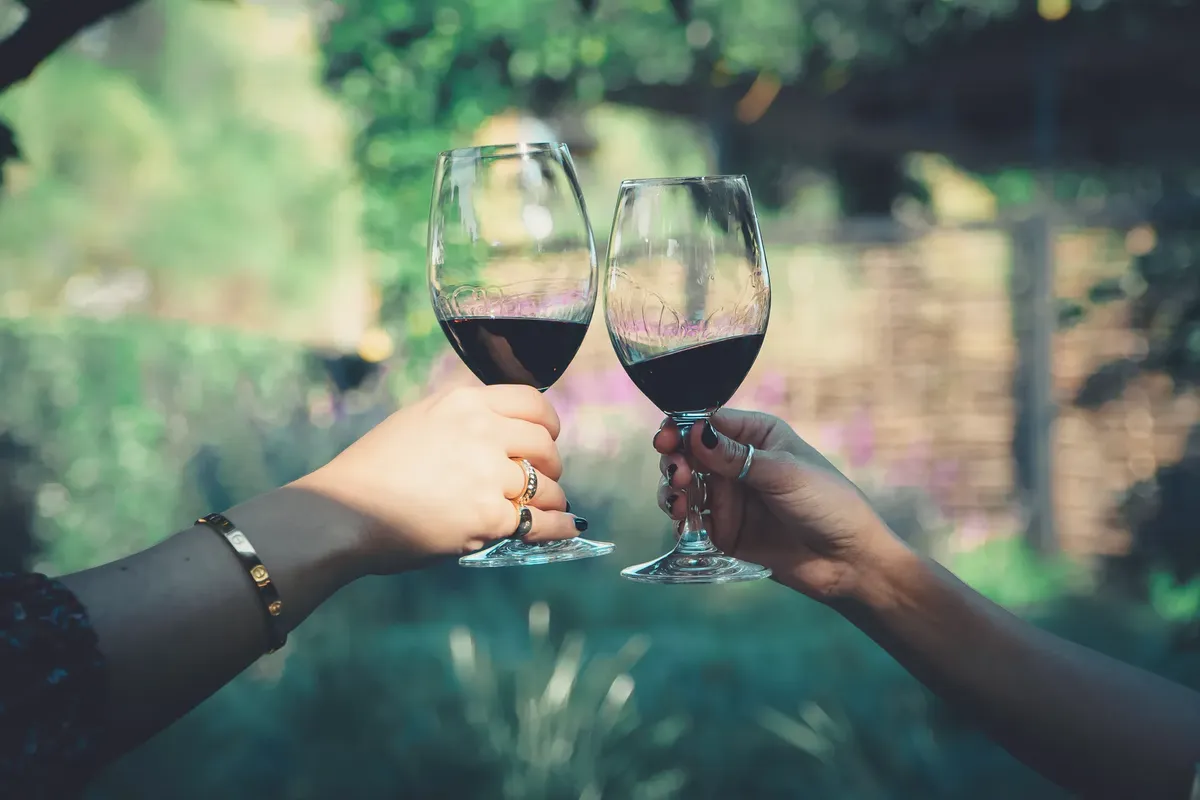
For example, a high-altitude trek might call for something refreshing and hydrating, while a slow-paced city tour might favor a sophisticated, contemplative drink. The scale of your journey should influence the intensity of your choices.
| Travel Setting | Recommended Profile |
|---|---|
| Coastal/Warm | Light, high acidity, effervescent |
| Mountain/Cold | Full-bodied, warming, structured |
By understanding these profiles, you can navigate much more complex menus.
The same subject is also called Match drink to journey.
The same subject is also called Drink setting harmony.
Related
When should you reconsider the right drink?
A traveler should reconsider the right drink if the initial impression does not align with the journey's reality. If the local cuisine is unexpectedly robust, a pairing that seemed light initially might become overwhelming.
The initial research, while valuable, must yield to the on-the-ground reality of the dining experience.
- If the meal is richer than anticipated, the beverage should possess more body to stand up to the food. 2. If the setting is more rugged than anticipated, the drink must reflect that intensity through its structure. 3. If the journey involves unexpected elements, the pairing must remain flexible to bridge those gaps.
This adaptability ensures that the beverage remains a supportive element rather than an imposing presence against the backdrop of the meal. The right drink must evolve with the journey's unfolding details.
How does the right drink enhance the travel memory?
The right drink elevates the simple act of eating into a memorable chapter of the journey. When the beverage complements the local flavors, it deepens the traveler's immersion in the destination's character. This synergy binds the palate to the place, making the memory richer than the meal alone.
The interaction between the chosen drink and the regional dish creates a cohesive narrative of the trip. A successful pairing transforms the meal from mere sustenance into a sensory document of the location. This makes the right drink an active participant in the travel narrative.
What is the caution regarding the right drink?
The caution involves the potential for mismatch, where a poorly chosen drink can detract from the entire experience. If the beverage clashes with the local spices or oils, it becomes a discordant note against the regional symphony.
Therefore, the initial research must be thorough to prevent this imbalance.
A mismatch suggests that the beverage has overpowered the subtle nuances of the regional dish instead of enhancing them. This imbalance shifts the focus from appreciation to correction, undermining the journey's intended harmony. The right drink should support, not dominate.



Comments 0