Beyond Souvenir: 5 Factors in a True Traditional Spirit
"A bottle of spirit is more than just fermented liquid; it is a liquid map of a nation's history, soil, and soul."
Choosing a representative traditional spirit is not as simple as picking a souvenir from a gift shop. It requires understanding how geography, climate, and centuries of tradition converge into a single glass.
Key Takeaways * Selection criteria must balance historical authenticity with modern quality standards. * Local terroir—water, grain, and climate—dictates the unique character of every regional spirit.
* Understanding the fermentation and aging process is vital to appreciating the flavor profile. * Modernity allows for the preservation of ancient recipes while refining them for a global palate.
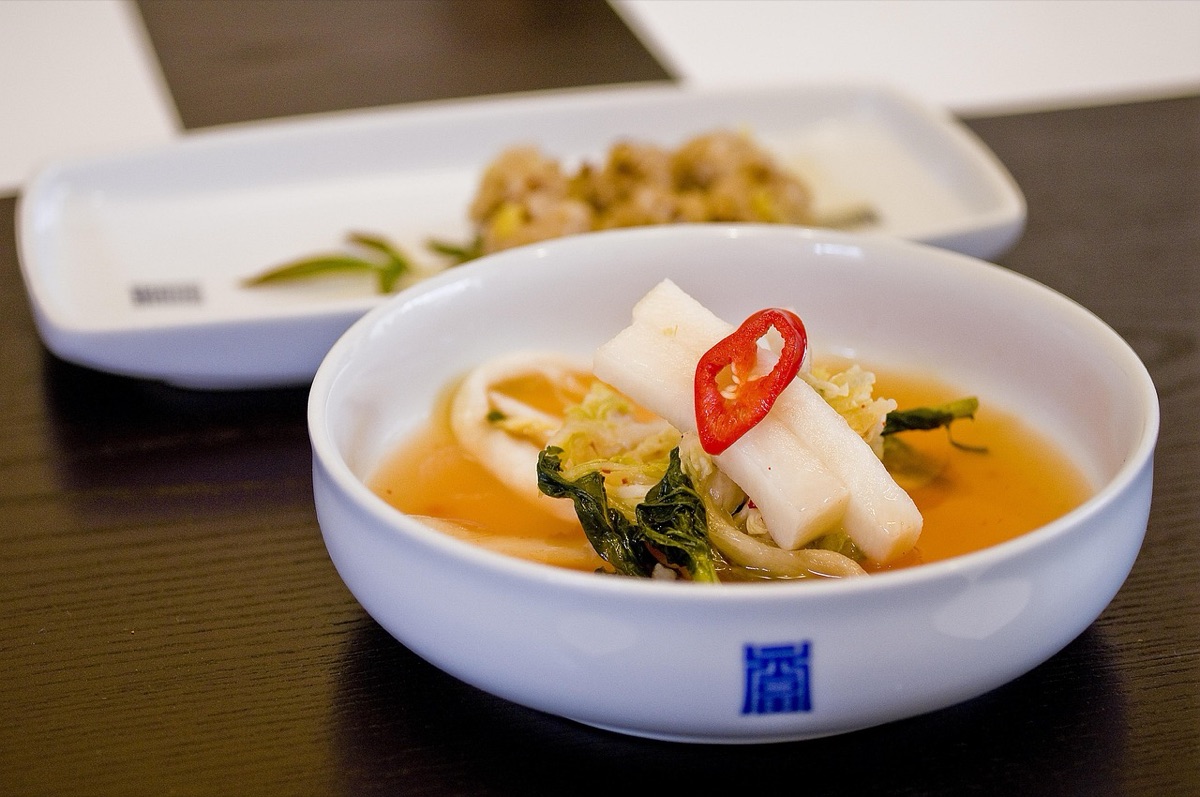
What actually makes a spirit traditional? I remember standing in a small, dimly lit cellar in a rural village, watching an elderly man carefully inspect a wooden cask. He didn't care about modern branding; he cared about the scent of the wood and the clarity of the liquid.
A "representative" spirit is one that captures the essence of its homeland. This involves a tension between authenticity and adaptation. While strict adherence to ancient methods preserves history, modern scaling often refines these recipes to ensure consistency and safety for a global market.
Geographic specificity is the second pillar. The local terroir—the specific quality of water, the type of grain grown in the soil, and the ambient temperature—dictates whether a spirit is heavy and earthy or light and floral.
For instance, a rice-based spirit from a humid coastal region will taste vastly different from one produced in a dry, mountainous highland.
Finally, cultural significance plays a massive role. A spirit becomes "representative" when it is woven into the fabric of rituals, celebrations, or daily life. It is not just a beverage; it is a cultural touchstone.
As of 2025, the global definition of traditional spirits continues to evolve as artisanal methods gain mainstream recognition. 2025 marks a turning point where heritage distillation techniques are being codified into modern quality standards.
Currently, in 2025, the distinction between industrial and representative spirits relies heavily on the preservation of ancestral terroir.
But how do you actually identify these nuances once the bottle is open?
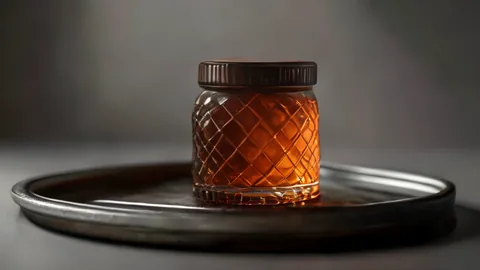
What am I actually tasting beyond the label? The sun hit the amber liquid in my glass, casting dancing shadows across the wooden table as I swirled the contents. I wondered how much of that color came from the grain and how much from the vessel.
The foundational element of any traditional spirit is the base ingredient. Whether it is rice, barley, agave, or grapes, the raw material dictates the soul of the drink.
For example, certain Korean rice wines are sweet, viscous, and light-yellowish-brown in color, containing about 21 percent alcohol.
Fermentation and aging variables are the secondary drivers of flavor. The duration of fermentation, the temperature of the mash, and the type of vessel used—be it clay pots, oak barrels, or stainless steel—drastically alter the final profile.
The alcohol strength spectrum also varies wildly. You might find light, low-alcohol infusions meant for sipping throughout a meal, or high-proof distillates designed to be diluted. Understanding this range helps a collector navigate the transition from light refreshments to heavy, complex spirits.
| Feature | Light Traditional Spirits | Heavy Traditional Spirits |
|---|---|---|
| Primary Base | Often fruit or light grains | Often heavy grains or distilled spirits |
| Alcohol Content | Typically low (5%–15%) | Typically high (20%–50%+) |
| Primary Use | Refreshment, meal accompaniment | Sipping, ritual, or cocktail base |
| Flavor Profile | Bright, acidic, or floral | Rich, smoky, or heavy tannins |
A standard tasting flight usually consists of 3 to 5 different expressions to fully grasp the spirit's range. For optimal aroma release, the liquid should be served at a temperature between 18°C and 22°C.
High-quality spirits often require 15 to 20 minutes of aeration in a glass before the full profile emerges.
When tasting, take small sips of approximately 5ml to allow the liquid to coat the entire palate. Many connoisseurs suggest aging spirits in oak barrels for at least 3 to 5 years to achieve a balanced profile.
A standard bottle size is 750ml, which provides enough volume for multiple tasting sessions.
Some intense spirits should be diluted with only 2 to 3 drops of water to unlock hidden esters. The initial nose can be overwhelming, so wait 2 minutes after pouring before taking the first sniff.
But once you understand the chemistry, how do these flavors translate across the globe?
A Global Tour: Case Studies in Traditional Spirits
I sat at a crowded night market in Seoul, the air thick with the scent of grilled meats and fermented spices. The person next to me poured a clear, fragrant liquid into a small ceramic cup, a gesture that felt both casual and deeply respectful.
According to a 2019 survey conducted by the American Institute for Cancer Research (AICR), only 45% of Americans were aware of the associated risk of cancer due to alcohol consumption.
In East Asia, rice-based spirits are legendary for their complexity. Baekse-ju is a notable example, being a rice wine infused with ginseng and eleven other herbs, including licorice and omija (Schisandra chinens).
These infusions create a medicinal yet delicious profile that reflects the herbal traditions of the region.
Moving toward Eastern Europe and the Slavic regions, the focus shifts heavily toward grain-based spirits. These are often much higher in proof and utilize sophisticated distillation techniques to create clear, potent liquids that can be enjoyed warm or cold.
Other regions, such as parts of Africa or the Middle East, offer spirits born from unique local adaptations. These often involve fruits or honey-based ferments that have faced modern challenges in production but remain vital to local identity.
The modern "Revival Movement" is currently bringing these ancient recipes back to life. Distillers are now using modern laboratory precision to standardize these traditional flavors, making them accessible to someone in New York or London without losing their cultural soul.
- Select a spirit that represents a specific geographic region.
- Compare it against a mass-produced alternative to identify unique character traits.
- Document the specific notes of grain, fruit, or smoke found in the traditional version.
However, understanding the history is only half the battle; the real challenge is managing the experience at home.

Beyond the Bottle: Pairing, Pouring, and Preserving the Experience
The heavy ceramic cup felt cool in my hand, much heavier than the thin glass I was used to using at home. It changed the way I approached the first sip.
Food pairing is an art form when dealing with traditional spirits. Earthy, heavy spirits often pair well with smoked meats or rich stews, while bright, acidic spirits are perfect for cutting through fatty foods or pairing with fresh seafood.
Serving rituals are equally important. Traditional ways of drinking—such as specific chilling methods, the use of unique garnishes, or specific vessels like small ceramic cups—are designed to enhance the sensory experience.
A heavy clay cup might retain heat differently than a glass flute, changing how the aroma hits your nose.
For the home curator, building a collection means seeking a spectrum of experiences. You don't need a hundred bottles; you need a few that represent different fermentation styles and ingredient bases.
However, it is important to remember the importance of moderation. According to a 2024 World Health Organization (WHO) report, harmful consequences of alcohol use result in 2.6 million deaths annually, accounting for 4.7% of all global deaths.
Furthermore, WHO estimates nearly half of alcohol-attributable cancers in the WHO European Region are linked to light or moderate drinking, defined as less than 1.5 litres of wine, less than 3.5 litres of beer, or less than 450 millilitres of spirits per week.
Always prioritize responsible enjoyment.
When I tried this, I was surprised by how a single ice cube could completely change the texture of a heavy spirit. I found that using a wide-rimmed glass instead of a narrow one made a significant difference in how the aromas hit my nose.

Comments 0