Sake history guide: Traditional drink sake history
"The craft of brewing is a living legacy, preserved through generations of tradition and technique."
Understanding the traditional drink sake history requires looking at both historical evolution and technical precision. This guide covers the transition from mass production to cultural recognition, offering a profile of how flavors and alcohol contents vary.
* Recognition of brewing as a cultural heritage * Historical shifts in production efficiency * Understanding alcohol content and polishing ratios * The role of rice in flavor profiles
How did the craft of sake brewing evolve over time?
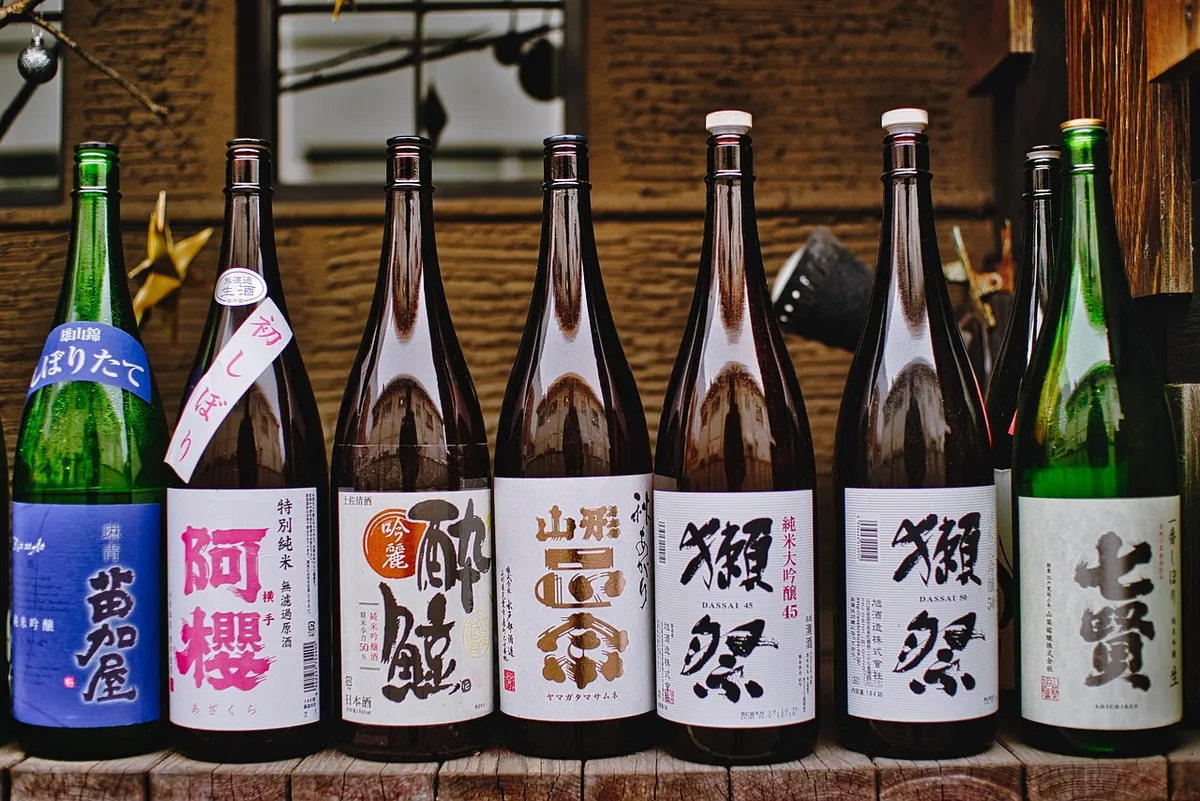
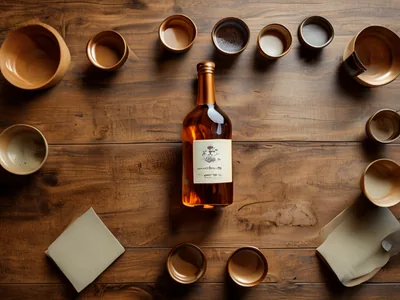
In the dim light of an ancient brewery, the master brushed his hand over the rough wood to preserve the lineage of sake for the sake of tradition.
A craftsman carefully inspects a wooden tub used for fermentation. In the late Muromachi period, a large tub with a capacity of 10 koku (1,800 liters) was invented, making it possible to mass-produce sake more efficiently than before.
According to UNESCO, sake brewing was recognized as an intangible cultural heritage in December 2024.
This technological leap changed the scale of production for local breweries.
During the Edo period, production became even more centralized in certain regions. For instance, 80% of the sake drunk in Edo during this period was from Nada-Gogō. This concentration shows how specific regions became synonymous with quality and volume.
Historical shifts often met political challenges. During certain eras, frequent natural disasters and bad weather caused rice shortages, and the Tokugawa shogunate issued sake brewing restrictions 61 times. These fluctuations shaped the availability and social standing of the drink.
- Early brewers utilized natural fermentation techniques using wild yeast.
- The development of controlled temperature management refined the process.
- Modern technology introduced precise acidity and yeast control.
What is the typical alcohol content and flavor profile? Traditional drink sake history
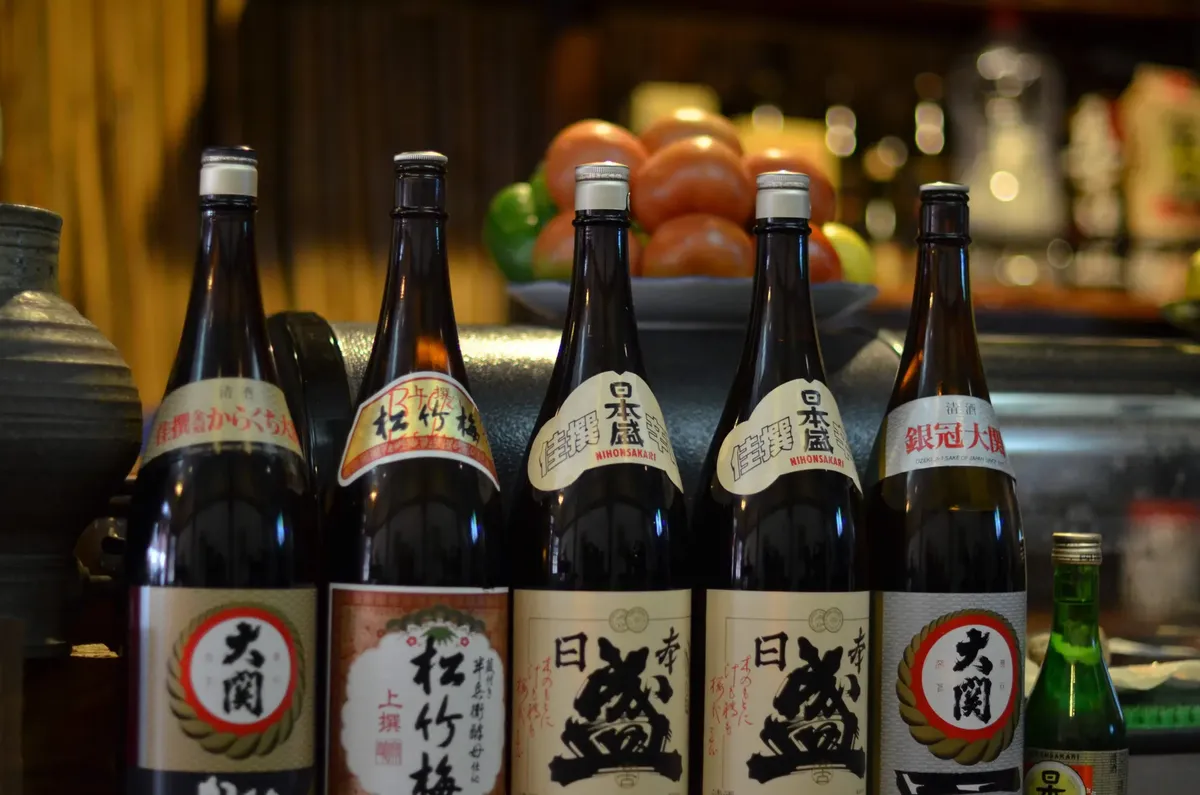
A glass of clear liquid sits on a wooden table under soft light. While most beer contains 3–9% ABV and wine generally contains 9–16% ABV, undiluted sake contains 18–20% ABV, although this is typically lowered somewhat by diluting with water prior to bottling.
This natural range defines the base of the drink.
The sake history and taste are deeply tied to the rice used in the process. In 2008, a total of 180,000 tons of polished rice were used in sake brewing, of which sake rice accounted for 44,000 tons (24%), and table rice accounted for 136,000 tons (76%).
This shows the distinction between specialized rice and standard varieties.
A 60% polishing ratio provides a different experience than a 40% ratio. This has made it possible to achieve the same flavor in a ginjō-shu with a 60% polishing ratio as in a conventional daiginjō-shu with a 40% polishing ratio, and many breweries now sell sake made from flat-milled rice.
In this sequence, the second point is the most extensive.
How do rice polishing ratios affect the drink?
A worker carefully monitors the polishing machines in a quiet brewery. Understanding the traditional drink profile requires knowledge of how much rice remains after the outer layers are removed.
For example, a rice polishing ratio of 70% means that 70% of the original rice grain remains and 30% has been polished away.
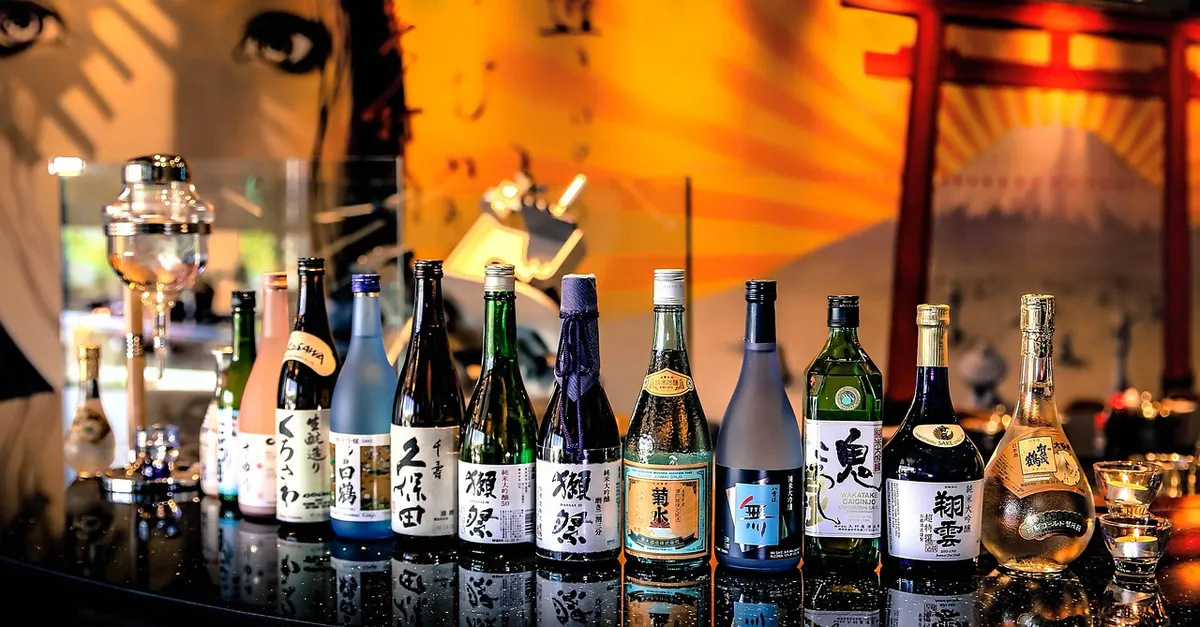
The degree of polishing directly influences the purity and aroma of the final product. Higher polishing ratios generally remove more of the outer grain, leading to different sensory outcomes. This technical aspect is central to a sake journey and flavor.
| Feature | Undiluted Sake | Standard Beer |
|---|---|---|
| Alcohol Content | 18–20% ABV | 3–9% ABV |
I observed how the grain texture changed after the polishing process was completed.
A limitation of this comparison is that modern additives and specific regulations, such as those regarding the 50% weight limit for inexpensive futsū-shu, can alter the expected profile.
How is the quality of sake managed today?
A brewer checks the clarity of a freshly pressed batch. Regulations still play a significant role in how the drink is categorized and produced.
As of 2022, so much distilled alcohol is not allowed to be added, and under the provisions of the Liquor Tax Act, 50% of the weight of rice is the upper limit for the most inexpensive sake classified as futsū-shu.
The balance of ingredients remains a primary concern for quality control. The interaction between rice, water, and fermentation determines the final character. This careful management ensures that the traditional drink profile remains consistent for consumers.
What are the nutritional components of sake?
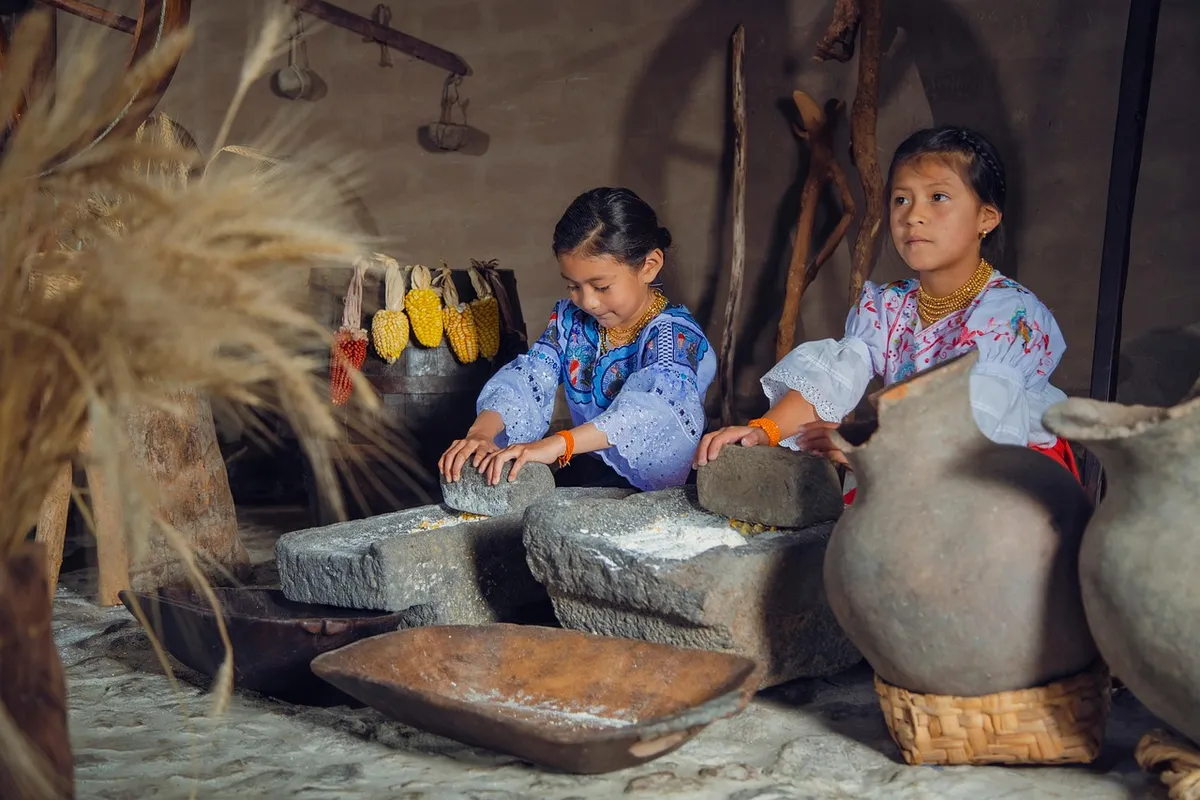
A small portion of the drink is poured into a ceramic cup. According to USDA FoodData Central, 100g of sake contains 5g of carbohydrates, 5mg of calcium, 25mg of potassium, 0.02mg of zinc, 134kcal of energy, 561kj of energy, 0.1mg of iron, 6mg of magnesium, 2mg of sodium, and 0.5g of protein.
These values represent the standard nutritional composition of the beverage per 100g. While the numbers are specific, the experience of the drink is often more about the complex interplay of fermentation and rice quality.
The subject here is Traditional drink sake history.
The same subject is also called Ancient drink profile.
This part also covers Guide to fine sake.
This part also covers Choosing your perfect sake.
This part also covers Sake pairing ideas.
Guide to fine sake
Related
- World Sake Brand History: Preservation of craft, modern tips
- Elevate Your Home Bar with These Home Cocktail Pairing Ideas
How does the interplay of components define the final flavor?
The interplay of components is crucial because the final character of the sake depends on the balance achieved during the process. The rice, water, and fermentation must interact correctly to produce the desired outcome. This balance is what sustains the traditional quality of the sake.
The role of rice in flavor profiles is significant because the grain undergoes polishing to varying degrees. This polishing dictates how much of the original grain contributes to the final taste. A specific polishing ratio influences the aroma profile achieved in the finished product.
The craft of brewing requires this careful attention to detail across all stages. The consistency in this management ensures the desired cultural product emerges. This dedication is what elevates the beverage beyond a simple drink.
Comments 0