Vodka alcohol content guide: 80 proof vs 100 proof matters
"The strength of a spirit defines not just its heat, but its fundamental character and how it behaves in a glass."
This guide explores why alcohol content matters and how different proof levels change your drinking experience.
Key takeaways: 1. Higher proof spirits offer more concentrated flavors but higher caloric density. * Understanding the difference between 80 proof and 100 proof helps in cocktail mixing. * Alcohol content directly impacts the energy value of the beverage.
Why does vodka alcohol content guide your flavor profile?
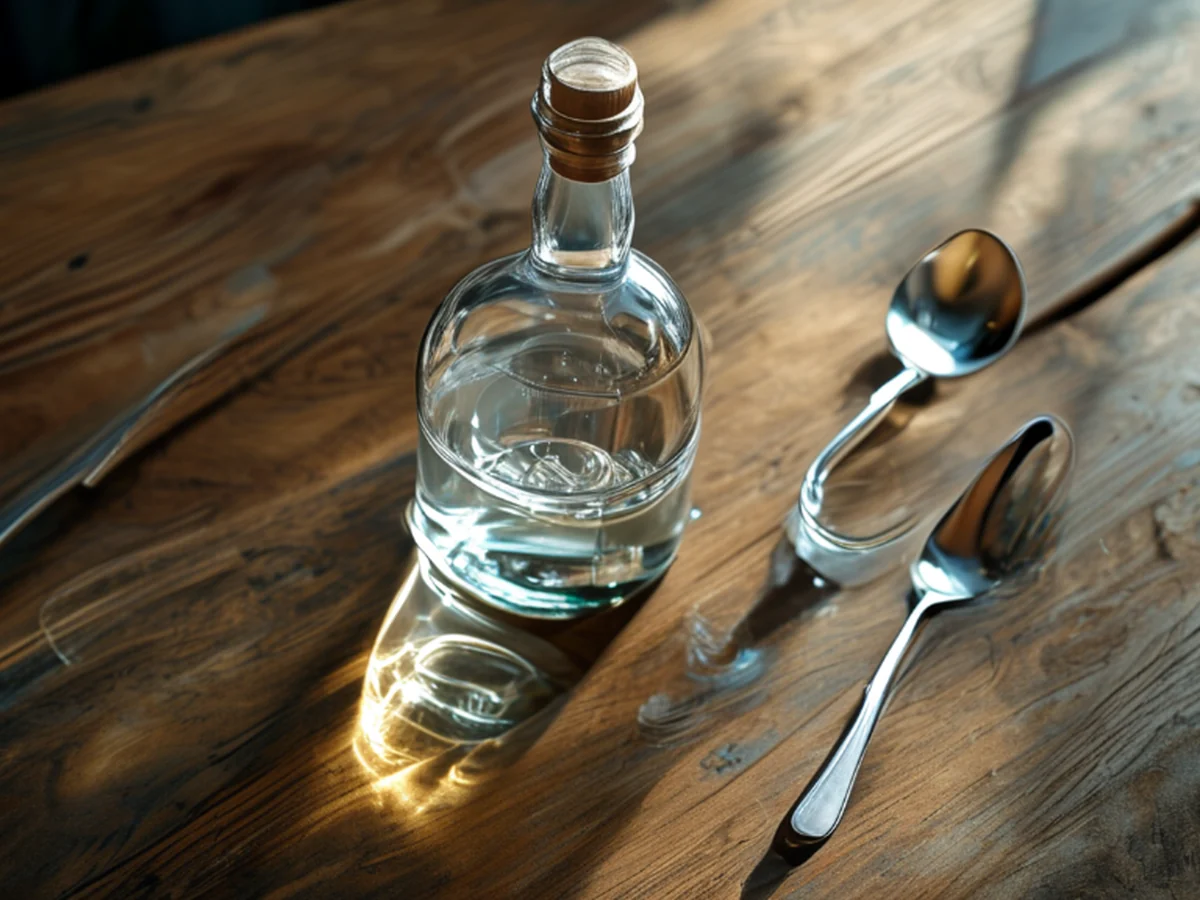
At dusk in the dim lounge, you swirl the heavy vodka in your glass and feel a sharp sting against your tongue.
When you select a bottle, the percentage listed on the label dictates how much the spirit will dominate a cocktail or stand alone.
Choosing the right strength is a matter of intent, whether you want a smooth sipper or a punchy mixer. Selecting a lower proof might offer more subtle nuances, while a higher proof provides the backbone for complex drinks.
This vodka alcohol content guide helps clarify how these numbers translate to your palate.
Understanding the calorie difference in vodka proof matters
Late at night in the kitchen, you swallow the neat vodka and feel the warmth blooming deep in your chest.
A heavy crystal decanter rests on the table, waiting for the next pour. As the liquid hits the glass, the energy density changes based on the proof. The relationship between alcohol volume and caloric load is a primary factor for those mindful of their intake.
According to USDA FoodData Central, distilled vodka at 80 proof contains 231 kcal per 100g. In contrast, a 100 proof spirit provides 295 kcal per 100g. This shows that as the alcohol concentration increases, the caloric density rises accordingly.
| Spirit Type | Calories (per 100g) |
|---|---|
| 80 Proof Vodka | 231 kcal |
| 100 Proof Spirit | 295 kcal |
I remember checking labels carefully when I first started building a home bar to balance flavor against energy density. Choosing vodka strength depends on whether you prioritize the spirit's punch or a lighter profile.
How to manage spirit strength for cocktails?
A shaker rattles rhythmically, filled with ice and fresh citrus. When mixing, the base spirit's strength acts as the foundation for all other ingredients. If the spirit is too weak, the mixers may drown out the alcohol; if it is too strong, the botanicals or juices might be overwhelmed.
To manage your drinks, follow these three steps: 1. Identify the intended base: Use higher proof spirits for drinks with heavy juices or syrups. 2. Adjust for dilution: Use lower proof spirits when the drink is served neat or with minimal mixers. 3.
Final check: Taste a small sample to ensure the alcohol bite does not overshadow the intended flavor.
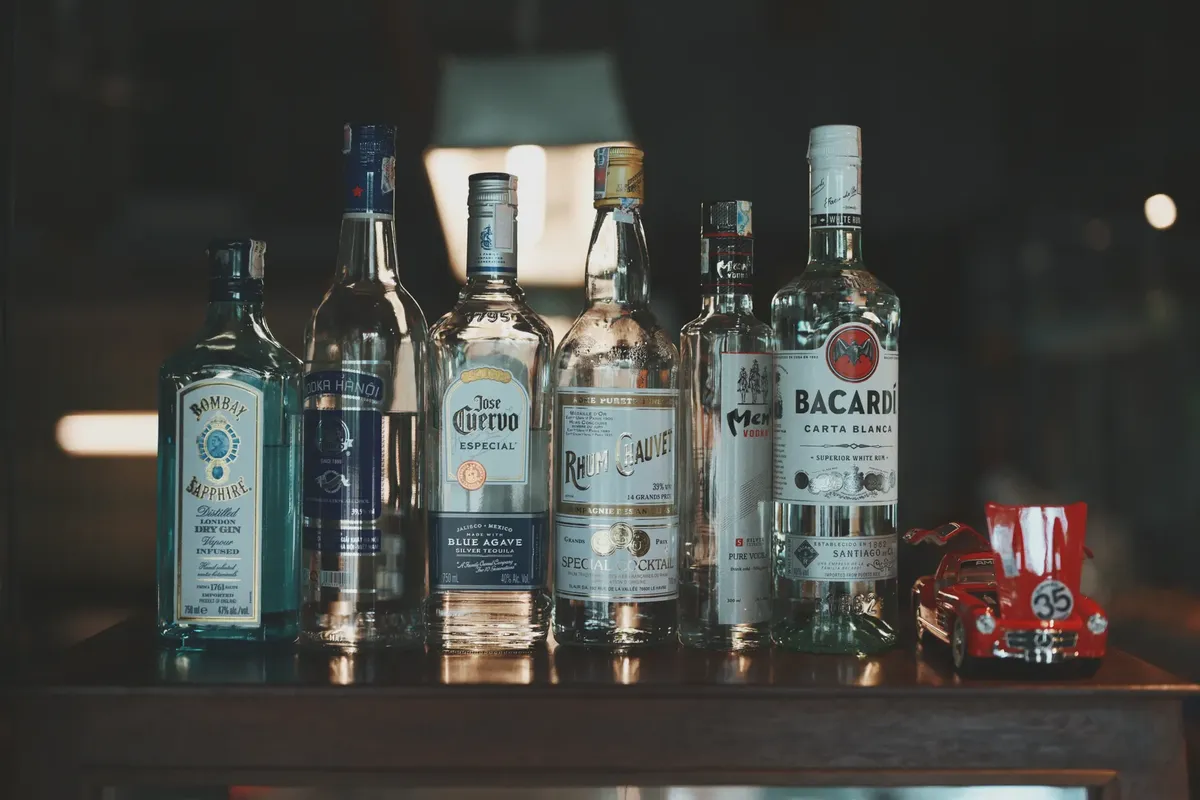
This spirit strength guide ensures that your cocktails remain balanced and enjoyable. Using a higher proof can help maintain the spirit's identity even after ice melts.
Is 37.5% proof vodka enough for a good drink?
A single shot glass stands empty under a dim light. Many drinkers wonder if a lower percentage is sufficient for a high-quality experience. While 37.5% (which is roughly 75 proof) is a common standard, the impact on the drink depends on the specific brand's distillation process.
A lower alcohol level might be preferred for refreshing, long-drink style cocktails where the spirit needs to be smooth. However, if you are building a drink with heavy bitters or thick liqueurs, you might find a stronger base more effective.
This vodka alcohol level can vary significantly between brands regardless of the base percentage.
What are the nutritional specifics of distilled spirits?
A label is held up to the light, revealing fine print about minerals and energy. Beyond calories, different proofs contain trace amounts of other elements. Understanding these small variations is key for those tracking specific dietary components.
According to USDA FoodData Central, 80 proof vodka contains 1mg of potassium, 0.01mg of iron, and 1mg of sodium per 100g. A 100 proof distilled spirit contains 2mg of potassium, 0.04mg of iron, and 1mg of sodium per 100g.
These differences are minimal but illustrate how the composition changes with proof.
- Choosing the right alcohol percentage is essential for balancing flavor profiles and managing caloric intake during social gatherings.
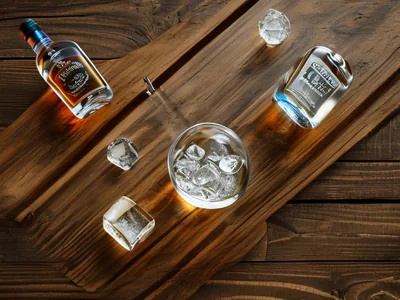
- A clear glass sits on a wooden bar, catching the light as a pour begins.
- A higher concentration of alcohol often means a sharper, more aggressive profile that requires careful dilution.
This part also covers Vodka taste and proof.
This part also covers Best vodka for mixing.
Related
How does spirit strength affect the overall drink experience?
The spirit strength dictates the overall character of the beverage, influencing how the palate perceives the mixture. A higher spirit strength provides a bolder presence, allowing the spirit to remain discernible even after dilution occurs.
Conversely, a lower spirit strength allows for a more nuanced interplay between the base and added components.
- Consider the desired outcome: If the goal is a pronounced spirit note, select a higher strength spirit. If subtlety is desired, choose a lower strength spirit. 2. Factor in the mixers: The nature of the mixers influences how much the base spirit needs to contribute to the final profile. 3. Balance the profile: The interplay between the spirit's innate character and the mixers determines the drink's final impression.
This careful consideration ensures the spirit contributes purposefully to the final composition.
When is a higher spirit strength advantageous? When a complex drink requires the base spirit to assert itself against strong additions, a higher spirit strength proves beneficial. This allows the spirit's inherent character to carry through the mixture, even after dilution has taken place. A pronounced spirit strength ensures the backbone of the beverage remains identifiable.
This is particularly true when using heavy juices or viscous syrups as mixers. The higher spirit strength provides the necessary foundation against overwhelming sweetness or acidity.
Therefore, the initial selection of the spirit strength must align with the intended complexity of the final composition.
Conversely, if the goal is a delicate interplay, a lower spirit strength allows the added components to guide the overall impression of the drink. This nuanced approach values subtlety over sheer force from the base spirit.
Comments 0