Vodka principles and benefits: Grain-based origins guide
"The clear spirit has traveled from historical taxation engines to modern global standards, defining itself through precise alcohol concentrations and grain-based origins."
Understanding vodka principles and benefits requires looking at legal minimums, grain foundations, and standardized proof levels. This guide covers regulatory requirements, nutritional data, and historical context to help you navigate spirit choice and use.
What makes great vodka and why drink it? A glass of clear liquid sits on a wooden table, reflecting the light of a quiet room. To understand the spirit, one must look at the legal definitions that separate it from other distilled beverages.

According to Wikipedia, the European Union has established a minimum alcohol content of 37.5% for vodka. This regulation ensures a baseline for quality and identity within the European market.
In the United States, the minimum alcohol content must be 40%. These regulations provide a framework for consumers to know exactly what strength to expect when choosing a bottle.
How does grain production relate to spirit choice and use?
In the golden field at dawn, I run my hands through the wheat that will eventually become smooth vodka.
A farmer inspects a field of golden grain under a bright morning sun. The raw materials used in distillation are central to the character of the spirit.
Historically, cereal production has relied heavily on specific crops. Three cereals, maize, wheat, and rice, together accounted for 91% of all cereal production worldwide in 2024, and 40% of the global availability of food energy in 2023.
While oats and rye production has fallen from 1960s levels, they remain part of the historical landscape of distillation. Understanding these agricultural roots helps in mastering a high proof spirit guide.
What is actually in my drink? A person pours a measured shot into a small glass, noting the clarity of the liquid. Nutritional transparency is essential for those tracking dietary intake through spirit choice and use.

According to USDA FoodData Central, 100g of 80 proof distilled vodka contains 231 kcal, 1mg of potassium, 0.01mg of iron, and 1mg of sodium. These values represent the energy and mineral content of that specific strength.
For comparison, 100g of 100 proof distilled spirits (including gin, rum, vodka, and whiskey) contains 295 kcal, 2mg of potassium, 0.04mg of iron, and 1mg of sodium. These variations depend on the proof of the beverage.
| Spirit Strength | Calories (per 100g) | Potassium (per 100g) |
|---|---|---|
| 80 Proof | 231 kcal | 1mg |
| 100 Proof | 295 kcal | 2mg |
I noticed the calorie difference when comparing these two 100g samples.
What is the history of standardized alcohol levels?
An old ledger sits in a library, documenting the evolution of spirits over decades. The transition from various distillates to a single standard is a key part of global vodka culture.
Since the 1890s, standard vodkas have been 40% alcohol by volume (ABV), or 80 U.S. proof. This consistency helped create a predictable product for global trade.
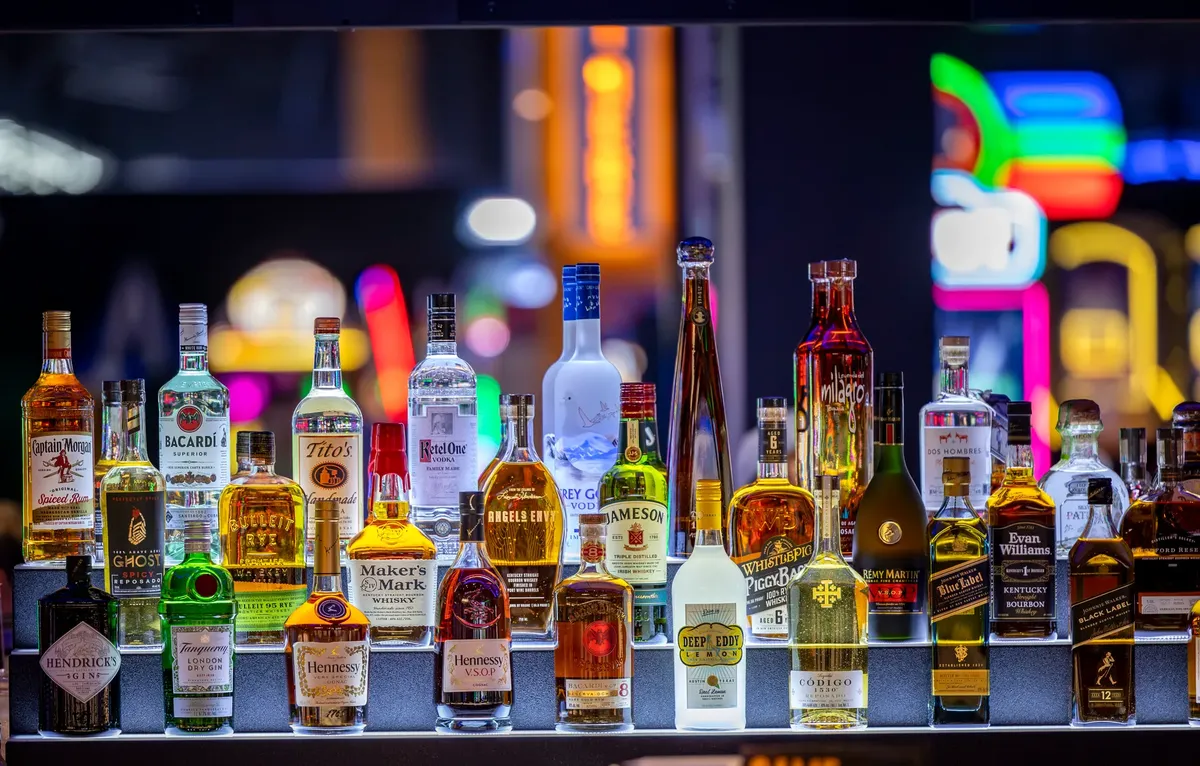
Earlier versions of spirits were quite different. The first distillate was called brantówka, the second was szumówka, and the third was okowita, which generally contained 70–80% ABV.
How do production methods affect the final product?
A large copper still hums in a quiet distillery, processing grain alcohol for mass production. Modern industrial methods have shaped how we access spirits today.
In the United States, many vodkas are made from 95% pure grain alcohol produced in large quantities by agricultural-industrial giants such as Archer Daniels Midland, Grain Processing Corporation, and Midwest Grain Products (MGP). This high-purity alcohol serves as a base for many commercial brands.
The process of watering down a beverage can also change its character. A beverage could be watered down to yield a simple vodka of 30–35% ABV, or a stronger version if done using an alembic.
What are the regulatory limitations of flavoring?
A chemist carefully measures citric acid in a laboratory setting. Understanding the fine line between flavoring and pure spirit is a technical necessity.
According to the European Commission, this demand was triggered by a 2005 European Commission proposal to split vodka category into several subcategories basing on the flavor and raw materials.
In 1956, a revenue ruling established that sugar not more than 0.2% and trace amounts of citric acid are not considered flavoring agents. This allows for subtle adjustments without changing the classification of the spirit.
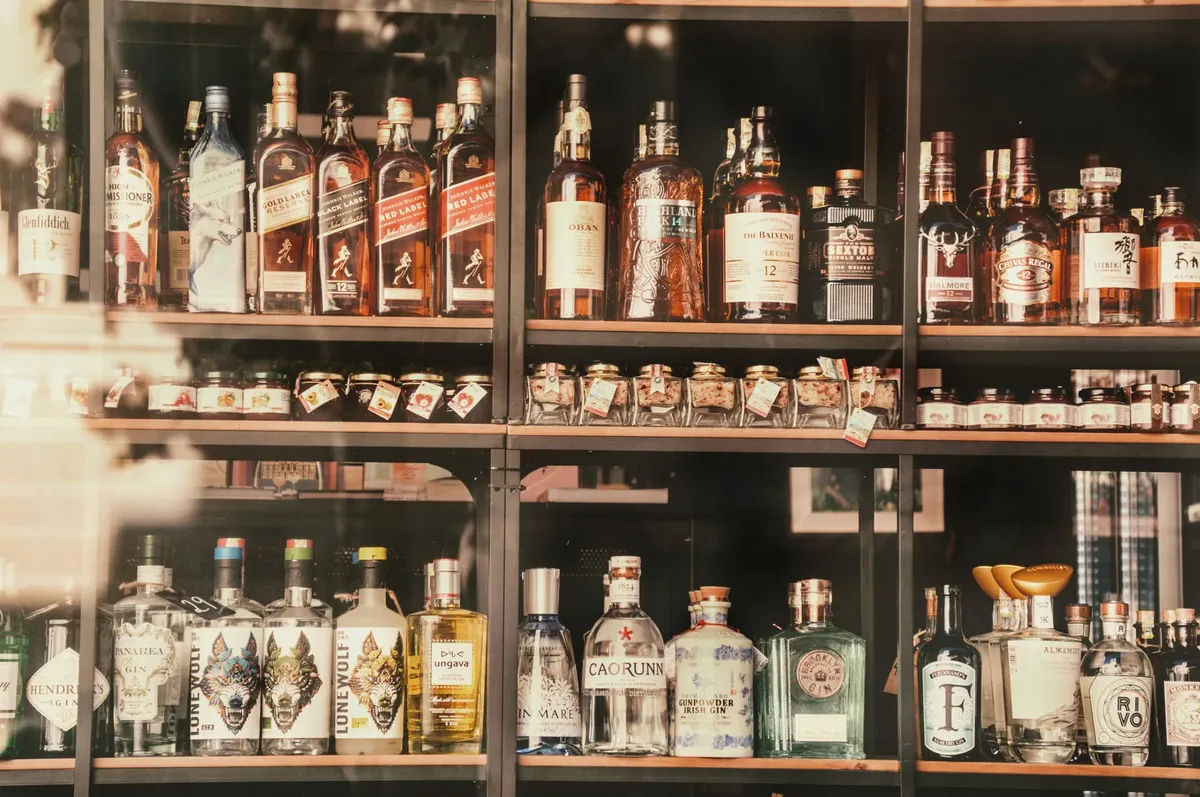
This rule helps maintain the identity of the spirit while allowing for minor adjustments in production. Such technicalities are part of the broader vodka selection guide.
- What makes great vodka and why drink it?
- How does grain production relate to spirit choice and use?
- What is actually in my drink?
Vodka principles and benefits
The subject here is Vodka principles and benefits.
The same subject is also called Vodka basics and upsides.
This part also covers Proper spirit usage.
This part also covers Country wise vodka.
Vodka selection guide
Related
- World Sake Brand History: Preservation of craft, modern tips
- 3% to 50% ABV: Drink pairing and venue perks for all
How does the clear spirit maintain its identity?
The clear spirit maintains its identity through adherence to established production standards and legal thresholds. These standards dictate the purity and concentration of the final product. The grain-based origins, combined with precise distillation, contribute to the spirit's unique profile.
What is the role of grain in the spirit's character?
The grain contributes the foundational body to the clear spirit. The choice of cereal, whether maize, wheat, or rice, influences the starting material for the distillation process. This initial selection is crucial for the spirit's eventual character profile.
What cautions apply to scaling production?
Caution must be taken when scaling production volumes. The initial high-purity grain alcohol, used in large quantities for commercial brands, must be processed correctly to maintain quality. Diluting the beverage alters its profile significantly from the original concentration.


Comments 0