Beer Pairing Guide: Elevate Your Home Drinking Rituals Today
Elevate your home drinking experience by mastering the art of selecting the ideal canned beer for any occasion.
Choosing the right can is more than just grabbing whatever is on sale; it is about matching a flavor profile to your mood, your meal, and your environment. Whether you want a crisp refresher after a long day or a complex brew to pair with dinner, understanding the basics makes every sip better.
Key Takeaways: * Distinguish between Lager and Ale profiles to find your preferred flavor base. * Use ABV (Alcohol by Volume) to match the intensity of the drink to the occasion. * Master the art of food pairing by using bitterness and body to balance your meals.

Why Does Beer Selection Matter When Drinking at Home?
The sun sets behind the suburban skyline, casting long shadows across a quiet living room. I sit on the sofa, crack open a cold aluminum can, and listen to that sharp, satisfying hiss of escaping carbonation.
Selecting a specific beer transforms a simple habit into a deliberate ritual. While a casual drink might suffice for a quick thirst-quencher, a curated selection turns a quiet evening into a tasting experience.
The format itself plays a role in this experience. Cans are excellent for preserving freshness because they protect the liquid from light, which can cause skunking. They also tend to retain carbonation well, providing that crisp mouthfeel we crave.
When you are deciding what to pull from the fridge, think about your immediate goal. If you want something light to sip while reading, a low-ABV lager might be best. If you are sitting down for a heavy meal, a more robust ale might be the perfect companion.
As of 2025, the home bar has become a central hub for craft enthusiasts seeking quality over quantity. Selecting the right brew can transform a simple evening into a curated tasting event.
Investing in a diverse selection allows for a much richer sensory experience than buying a single case of the same lager. When I tried this, I realized that rotating flavors keeps the ritual from feeling repetitive.
I would suggest starting with a small variety pack rather than a bulk purchase to find your true favorites. But before you grab that first can, you need to understand what is actually inside.
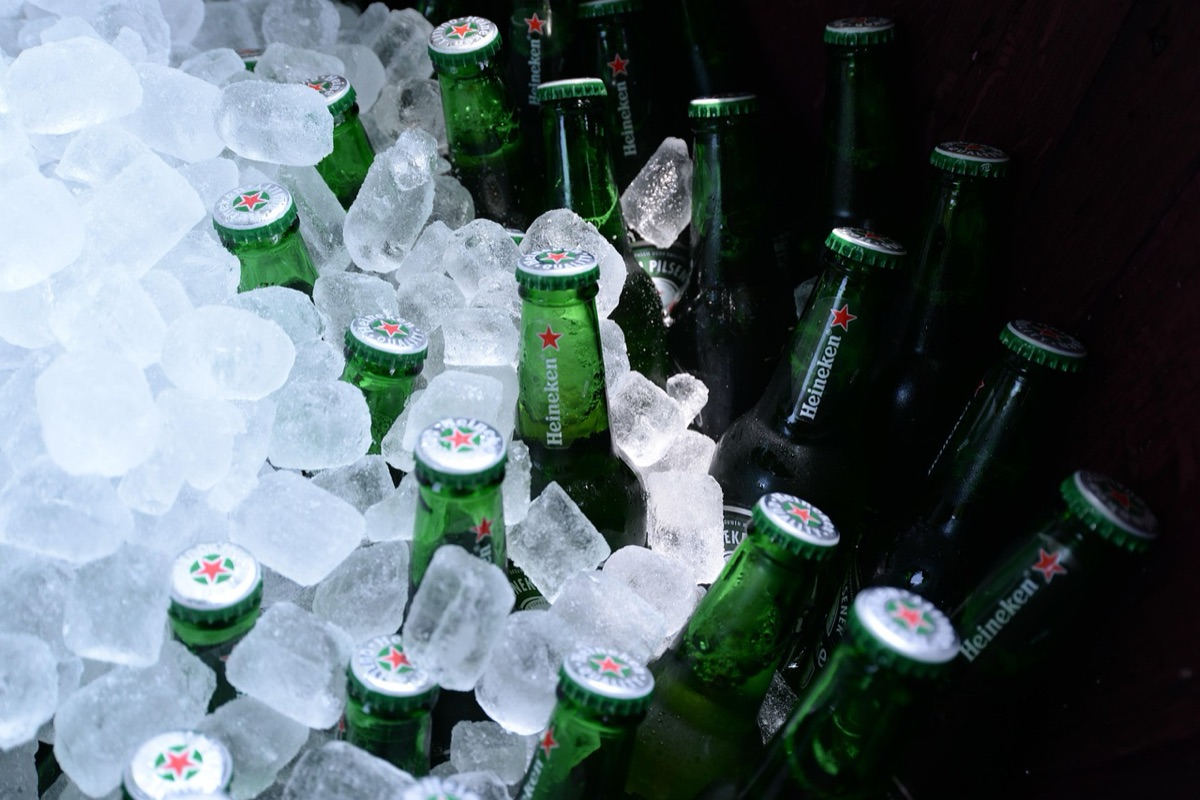
What are the different styles and profiles? I stand in front of an open refrigerator, scanning a wall of colorful cans, looking for something specific. The labels promise everything from "citrus notes" to "chocolate undertones," but the technical details matter most.
The first thing to look at is the strength. The strength of modern beer is usually around 4% to 6% alcohol by volume (ABV). This range is the sweet spot for many daily drinkers, providing a gentle lift without overwhelming the palate.
However, the spectrum is wide, with some specialty brews reaching much higher, while others offer very low-alcohol options, such as those around 0.05% ABV.
Understanding the difference between Lager and Ale is the foundation of beer knowledge.
* Lagers: These are fermented at colder temperatures, often during a lagering phase at 0–4 °C. This results in a cleaner, crisper, and more refreshing profile. * Ales: These are fermented at warmer temperatures, often yielding more complex, fruity, or spicy characteristics.
Body and bitterness are the two other pillars of flavor. "Body" refers to the weight or thickness of the beer in your mouth, while "bitterness" comes primarily from hops.
A heavy, full-bodied beer might feel like sipping a liquid bread, whereas a light-bodied beer feels like water with flavor. Balancing these elements is key to a successful drink.
| Feature | Lager | Ale |
|---|---|---|
| Fermentation Temp | Cold (0–4 °C) | Warm |
| Primary Flavor | Crisp, clean, mellow | Fruity, spicy, complex |
| Common ABV | Often 4%–5% | Often 5%–7%+ |
| Best For | Refreshment, high heat | Food pairing, sipping |
As of 2025, understanding ABV and IBU is essential for navigating the modern craft landscape. A standard craft can typically holds 12 to 16 ounces of liquid.
Most session ales range from 3.5% to 5% ABV for easy drinking. Heavier imperial stouts often reach 10% to 12% ABV or higher.
It is common to store these cans in a refrigerator set between 35°F and 38°F. When I tried this, I was surprised by how much the temperature change affected the aroma of a heavy stout.
I would recommend tasting a room-temperature sample first to catch the subtle notes. But knowing the beer is only half the battle; you also have to eat.
What goes best with what? The dinner table is set with steaming plates of spicy tacos and salty appetizers. I reach for a lime-infused lager, knowing its acidity will cut through the richness of the carnitas.
Successful pairing is about balance. You want the beer to either complement the food or provide a sharp contrast that cleanses the palate.
- Acidity and Richness: If you are eating fatty or fried foods, a beer with higher acidity or carbonation—like a Pilsner—can "cut" through the grease, refreshing your mouth for the next bite.
- Spicy Foods: Heat can be overwhelming. A slightly sweeter ale or a low-ABV wheat beer can soothe the spice rather than fighting it.
- Heavy Meats: For steaks or stews, look for beers with more body, such as an Amber Ale or a Stout, to match the intensity of the protein.
- Light Appetizers: Salads or seafood pair beautifully with light-bodied, crisp lagers.
Matching the occasion is just as important as matching the food. A movie night might call for a sessionable, easy-to-drink beer that you can enjoy over two hours, whereas a dinner party might warrant a more complex, high-ABV craft brew that acts as a conversation piece.
As of 2025, the art of food and beer pairing has moved from specialized restaurants into the home kitchen.
- Select a beer with a flavor profile that complements your main dish.
- Pour a small 2-ounce sample to test the balance.
- Take a bite of food followed immediately by a sip.
- Adjust your selection if the bitterness overwhels the palate.
Spicy dishes often pair well with a 45-second finish of a crisp pilsner. A heavy cheese plate can be enjoyed with 2 to 3 different styles over an hour.
When I tried this, I found that a salty snack actually enhanced the maltiness of my IPA. I would avoid pairing very bitter hops with delicate seafood. This brings us to the challenge of finding these flavors in a crowded market.
Navigating the Market: Trends and Discoveries
I walk through a local craft brewery taproom, surrounded by dozens of unique cans with artistic labels. It feels like a treasure hunt, looking for that one perfect flavor.
The rise of craft beer has shifted the market toward variety and small-batch quality. Instead of just "beer," we now have endless sub-styles like Hazy IPAs, Porters, and Sours.
This trend allows drinkers to explore much more specific flavor profiles than the mass-produced lagers of previous decades. International influences also play a huge role in what we find on shelves.
You might find Belgian-style low-alcohol table beers that offer complexity without high alcohol content, or Japanese-inspired crisp lagers.
To find your next favorite, try the "one-new-thing" rule. Every time you shop, pick up one can from a brand or style you have never tried before.
This prevents your palate from becoming too narrow and helps you discover hidden gems. As of 2025, the market is flooded with experimental brews and limited-edition releases.
Many specialty cans are priced between $12 and $18 per unit. Small-batch releases often arrive in quantities of only 50 to 100 units per brewery.
It is common to visit 2 or 3 local breweries in a single afternoon to find unique labels. Exploring 4 to 5 different styles in one sitting provides a comprehensive overview of current trends.
When I tried this, I was shocked at how much the packaging influenced my initial perception. I would focus more on the ingredients listed on the back than the label art. But as we explore, we must remember to stay grounded.
Beyond the Pour: Responsible Enjoyment
I sit back after a quiet evening, sipping a glass of water to stay hydrated. It is a small habit, but it makes the next morning much easier. According to the WHO, nearly half of alcohol-attributable cancers in the WHO European Region are linked to light or moderate drinking.
According to the Container Recycling Institute, the recycling rate for water bottles was 32 percent in 2005, which was significantly lower than the 82 percent rate for beer and soft drink bottles.
The WHO estimates that nearly half of alcohol-attributable cancers in the WHO European Region are linked to light or moderate drinking.
According to the Fred Hutchinson Cancer Research Center, men who consumed four or more glasses of red wine per week saw a 50 percent reduction in the risk of developing prostate cancer.
The WHO estimates that nearly half of alcohol-attributable cancers in the WHO European Region are linked to light or moderate drinking.
While exploring new flavors is part of the fun, mindful consumption is essential for a sustainable hobby. Drinking should be an enhancement to your life, not a disruption.
It is also important to understand the health context of alcohol consumption. While moderate drinking is a common part of social life, excessive intake is linked to various health risks.
For example, the WHO estimates that nearly half of alcohol-attributable cancers in the WHO European Region are linked to light or moderate drinking, which is defined as less than 1.5 liters of wine, less than 3.5 liters of beer, or less than 450 milliliters of spirits per week.
Always remember to balance your alcohol intake with plenty of water to maintain hydration and clarity.
#







Comments 0