Authenticity Rules: How Terroir Shapes Modern Palates Now
"The glass in your hand is no longer just a vessel for a drink; it is a ticket to a global conversation."
The global beverage landscape is shifting from mass production toward hyper-curated, niche experiences. Consumers are moving away from volume-based drinking toward value-driven, meaningful engagement with spirits and wines.
* The market is moving beyond traditional consumption patterns, demanding authenticity and experience. * Diversification across categories, such as regional spirits and craft trends, is crucial for success. * Industry contraction in certain segments requires strategic adaptation to maintain growth. * Modern consumers seek a balance between established rituals and global exploration.

What's causing the current shift in beverage trends? A quiet evening in a dimly lit lounge reveals a patron carefully examining the label of a small-batch mezcal, looking for specific agave types rather than just a high alcohol content. This scene is becoming the global standard as drinkers trade quantity for quality.
According to a 2019 survey by the American Institute for Cancer Research (AICR), only 45% of Americans were aware of the associated risk of cancer due to alcohol consumption.
According to a 2024 report from the World Health Organization, the harmful consequences of alcohol use result in 2.6 million deaths annually.
Modern drinkers have become highly informed, often possessing more knowledge about distillation processes and aging techniques than previous generations. This sophistication drives a demand for depth, where a bottle is not just a drink but a story of terroir or tradition.
Product innovation now focuses on cultural movements, such as unique botanicals or specific aging processes, rather than just flavor variations. This shift represents a move toward artisanal movements that honor heritage while embracing new techniques.
The beverage industry remains highly dynamic, requiring constant adaptation to consumer preferences to stay relevant in a rapidly changing market. This constant movement ensures that new products are often responses to specific lifestyle changes or cultural shifts.
As these shifts occur, the relationship between the producer and the consumer becomes more personal and complex.
Where is the market shrinking and where is it growing? A retail manager stares at a sales report, noting a dip in high-volume spirit sales while seeing a steady rise in premium, high-priced bottles. This tension between volume and value defines the current market struggle.
The World Health Organization (WHO) estimated there were 283 million people with alcohol use disorders worldwide as of 2016.
A 2019 survey conducted by the American Institute for Cancer Research showed that only 45% of Americans were aware of the associated risk of cancer due to alcohol consumption.
The US spirits market experienced a contraction in 2023, marking a notable trend reversal after many years of consistent growth. This contraction highlights how changing economic conditions and social habits can suddenly alter long-term trajectories.
While overall volume might fluctuate, specific segments show varied performance, often seeing a shift where value growth outpaces volume growth. This means that while fewer people might be drinking, those who do are often spending more on premium offerings.
Understanding these historical contexts helps frame current market sentiment, as long-term consumption patterns clash with modern, more cautious habits. Different demographics approach consumption with varying levels of intensity, creating a fragmented market.
This fragmentation makes it difficult to predict a single direction for the entire industry.
Decoding the modern palate: What are consumers drinking now?
A young professional sits at a bar, choosing a botanical-heavy gin over a traditional vodka, looking for a specific flavor profile that matches a light summer meal. This choice reflects a much broader shift in global taste.
The World Health Organization estimated there were 283 million people with alcohol use disorders worldwide as of 2016.
Dominant choices often fluctuate between beer, wine, and liquor depending on the social setting, but there is a clear lean toward spirits with complex flavor profiles. Consumers are looking for "character" in their drinks, which often leads them toward aged spirits or unique fermented beverages.
Demographic segmentation plays a massive role, as different age cohorts show distinct preferences. For example, younger drinkers might lean toward ready-to-drink cocktails or craft beers, while older demographics might stick to established wine or whiskey rituals.
Health consciousness is also a quiet but powerful driver of change. Growing awareness regarding consumption patterns and health impacts is influencing choices, leading to a rise in lower-ABV (alcohol by volume) options and natural wines.
The tension between health-conscious choices and the desire for indulgence creates a unique market opportunity.
Beyond the bottle: The role of pairing and experience
A dinner host carefully selects a specific vintage of wine to match a spicy seafood dish, turning aely a simple meal into a choreographed sensory event. This level of intentionality is the hallmark of the modern drinker.
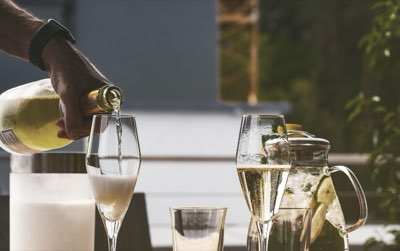
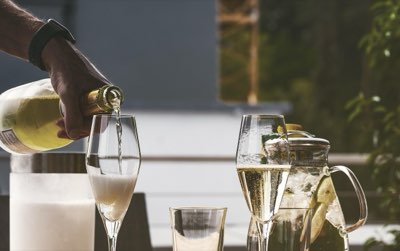
The rise of the curated experience means moving from simple drinking to a full sensory event. It is no longer just about the liquid; it is about the glassware, the ice, the aroma, and the atmosphere created by the drink.
The art of pairing—matching specific foods with spirits or wines—elevates the consumption experience. This practice turns a drink into a culinary component, encouraging consumers to explore more complex flavor profiles through food.
Home bar culture has also surged, with consumers becoming knowledgeable curators of their own experiences. This trend has turned many living rooms into mini-laboratories for mixology, where high-quality ingredients are a staple.
This domestic shift is driven by a curiosity that often begins with travel and international exposure.
Navigating the spectrum: From global classics to micro-trends
A traveler returns from a trip to Japan, bringing back a bottle of artisanal whisky that sparks a weekend of storytelling among friends. This intersection of travel and taste is where new trends often find their footing.
The relevance of specific categories like whisky, wine, and global spirits remains high, but the focus is shifting toward authenticity. Consumers are looking for the "real thing," which often means looking toward specific regions known for their mastery.
The rise of craft and artisanal production meets the modern demand for authenticity. Small-batch production allows for a level of control and unique character that mass-market brands often struggle to replicate.
Cultural touchpoints, such as the regionality of a spirit, are vital. A bottle of tequila is not just tequila; its origin in specific regions of Mexico provides a sense of place that modern drinkers crave.
| Trend Category | Traditional Approach | Modern Shift |
|---|---|---|
| Production | Mass-market volume | Small-batch/Artisanal |
| Focus | High alcohol content | Flavor complexity/Terroir |
| Consumption | Socially driven volume | Individualized/Curated experience |
| Knowledge | Basic brand recognition | Deep ingredient/process literacy |
As we look toward the future, these trends suggest a market that is increasingly segmented and specialized.
How to curate your own tasting experience
I remember sitting in a small tasting room in Oaxaca last year, looking at thirty different bottles of mezcal. I realized then that I wasn't just looking for a drink, but for a specific connection to the earth. If you want to move from casual sipping to true exploration, follow this process.
- Select a Single Origin: Pick a category with strong regional ties, such as Scotch whisky or Tequila, to understand how geography affects flavor.
- Identify Key Botanicals: Taste a spirit, then try to isolate one specific note, like smoke, citrus, or oak, to build your palate.
- wall 3. Test Temperature and Ice: Experiment with different glassware and ice sizes to see how aeration and dilution change the profile.
- Practice Controlled Pairing: Pair a small sample of your drink with a single, high-quality food item to see how acidity or fat interacts with the alcohol.
- Document Your Findings: Keep a small notebook of what you tasted to track how your preferences evolve over time.
A note on the limits of these trends
It is important to recognize that these trends toward premiumization and complexity do not apply to every social setting. While high-end exploration is growing, mass-market products still maintain a massive share of global volume.
Additionally, these lifestyle shifts often require significant disposable income, meaning they may not reflect the reality of all economic classes.


Comments 0