Home cocktail basics: Balance spirit, sweetness, and acidity
"A great cocktail is a balance of spirit, sweetness, and acidity, brought together through precise technique and quality ingredients."
Mastering home cocktail basics involves understanding the relationship between base spirits and modifiers to create a balanced drink. This guide focuses on essential elements like spirits, sweeteners, and acids, while providing tips for successful mixing.
You will learn how to manage proportions and simple techniques to elevate your home bar.
What are the essential home cocktail basics?
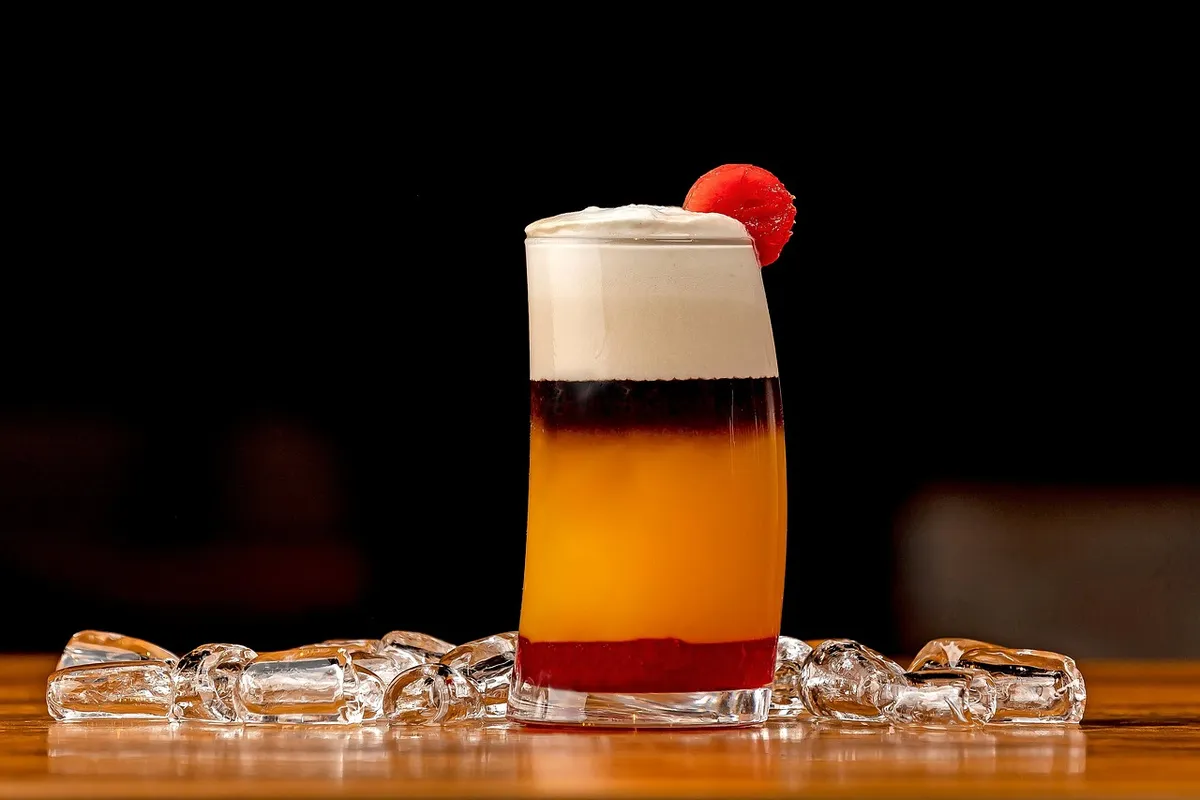
At dusk in the quiet kitchen, I pour clear spirits into a glass to master the essential home cocktail basics.
A glass sits on a wooden coaster, catching the light as a clear liquid pours slowly into it. Understanding the core components of a drink is the first step in any home cocktail basics journey. You need a base spirit, a sweetener, and an acidic or bitter element to create a structured profile.
The base spirit provides the alcoholic foundation and the primary character of the drink. Common choices include gin, rum, vodka, or whiskey, depending on the desired flavor profile. A sweetener, such as simple syrup or liqueur, adds body and balances the alcohol's heat.
Finally, an acid like lemon or lime juice provides brightness and cuts through the sugar.
How do you manage different flavor profiles?
In the dim light of the living room, I taste the sharp citrus to learn how to manage different flavor profiles at home.
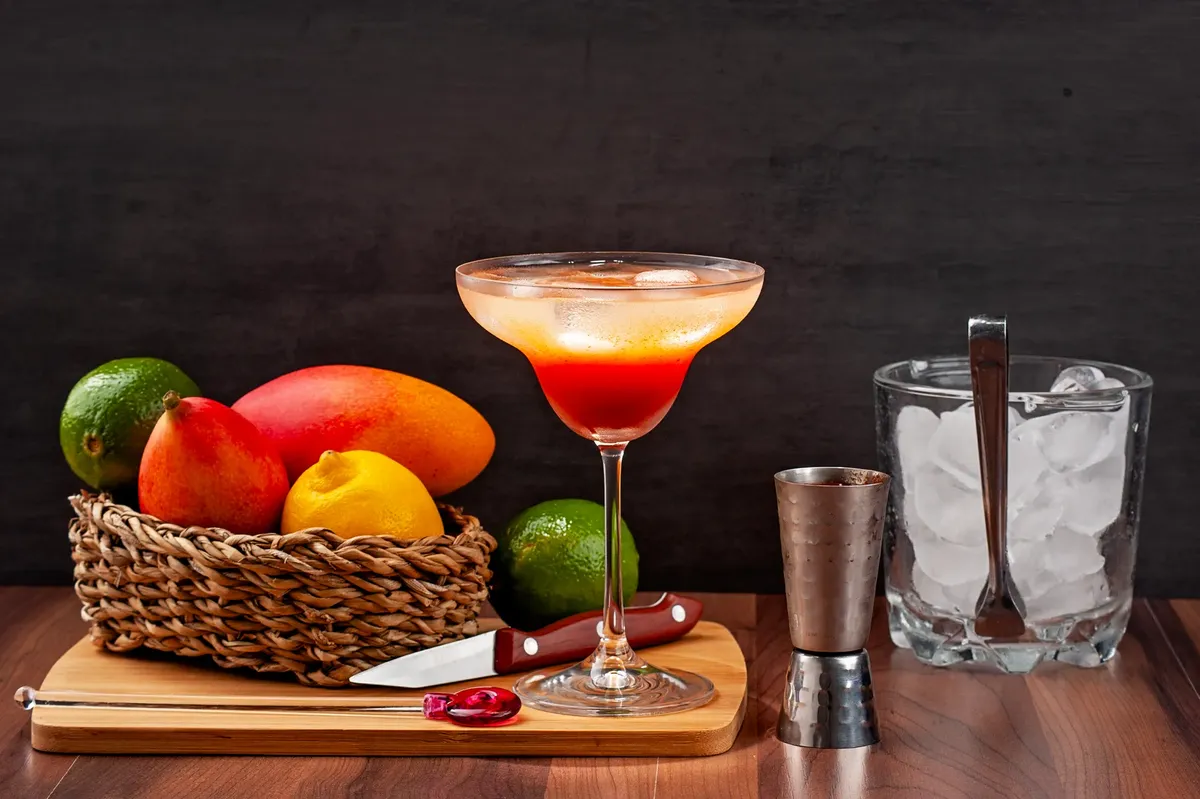
A person carefully measures ingredients into a mixing glass, watching the liquid swirl. Developing an easy home cocktail guide requires knowing how to balance these contrasting elements. If a drink is too sweet, more acid is needed; if it is too sharp, a touch of sugar can smooth the edges.
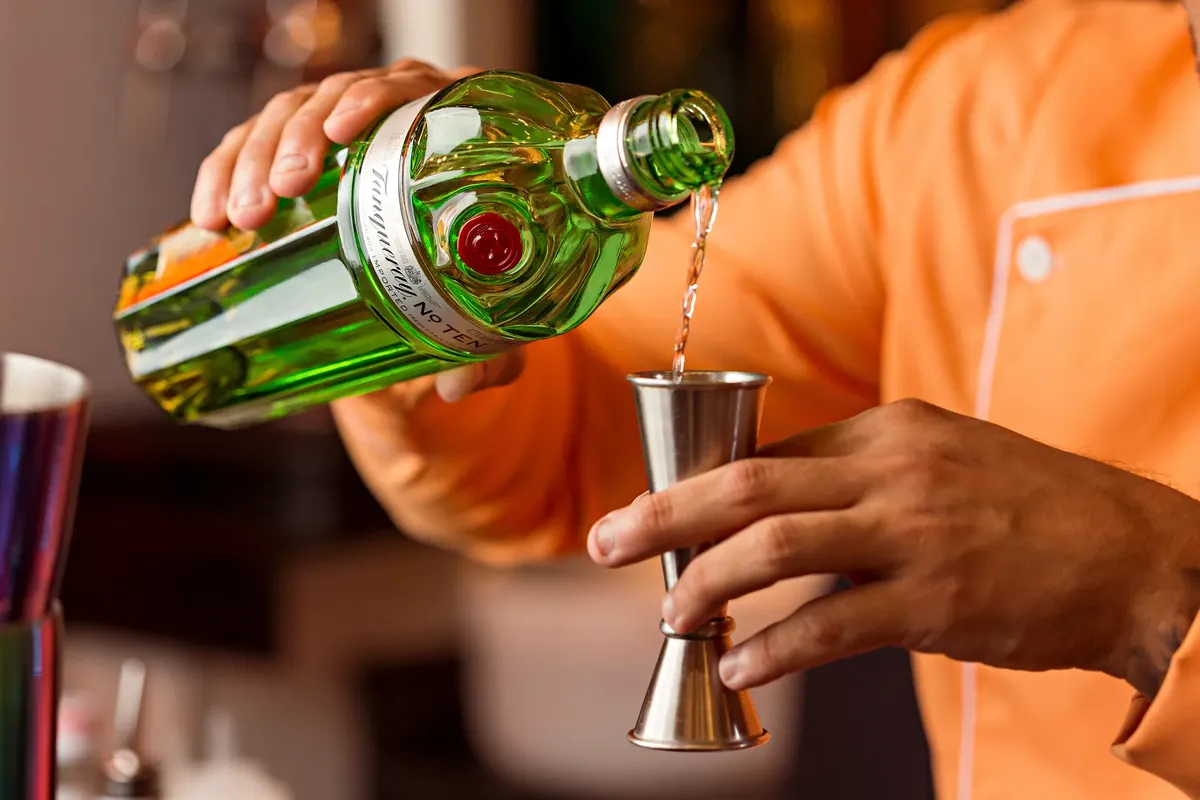
Success in mixology often depends on the ratio of these three pillars. For many classic drinks, a common ratio involves one part spirit to two parts modifier, though this varies widely. Using a jigger ensures that you do not accidentally overpower the palate with too much of one ingredient.
This foundational knowledge allows you to experiment without wasting expensive bottles.
According to World Bank, the 2025 record includes 73.6%.
How can you achieve professional results with simple tools?
A metal shaker is gripped firmly in one hand while the other holds a strainer. Mastering basic cocktail making does not require an expensive bar setup, but rather a few functional tools. A shaker, a jigger, a bar spoon, and a strainer are the primary requirements for a functional home bar.
The shaker is used for drinks containing juice, egg whites, or cream to incorporate air and chill the liquid. A mixing glass and spoon are better suited for spirit-forward drinks that require gentle dilution without aeration.
Using the right tool for the specific drink type prevents texture issues, such as unwanted foam or excessive dilution.
What are the best home mixology essentials for beginners?
A set of glass bottles is organized neatly on a shelf, reflecting a well-curated collection. Investing in home mixology essentials starts with versatile spirits that can be used in multiple recipes.
A bottle of versatile gin and a bottle of high-quality vodka can serve as the foundation for dozens of different drinks.
Beyond spirits, having a variety of bitters and garnishes is crucial for adding complexity. Bitters act like seasoning for cocktails, adding depth that sugar or alcohol alone cannot provide. Fresh citrus and seasonal garnishes keep the flavors bright and the presentation engaging.
This approach allows you to build a wide menu with a limited number of bottles.
How do you master simple cocktail recipes?
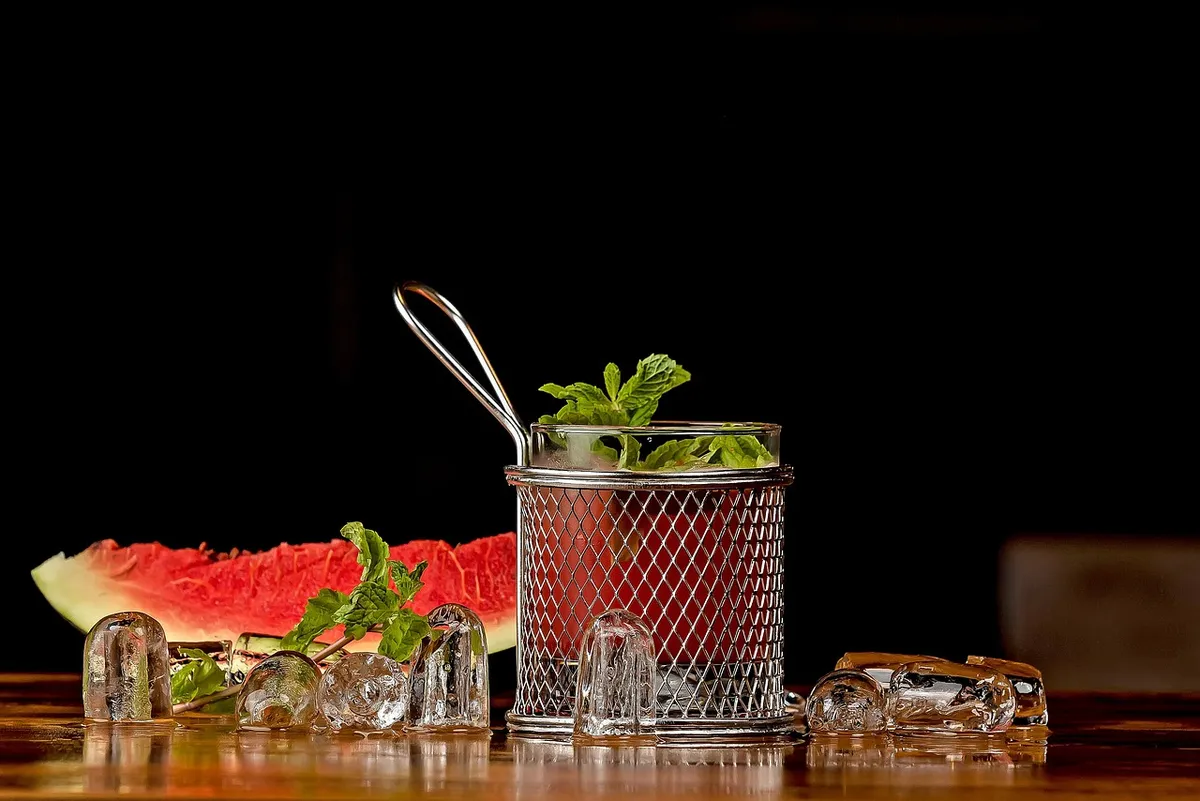
A hand reaches for a recipe card to double-check the measurements before pouring. Learning simple cocktail recipes is an iterative process of tasting and adjusting. You should always taste your creation before serving it to ensure the balance meets your expectations.
Start with classics that have established ratios to understand how flavors interact. Once you are comfortable with these proportions, you can begin substituting ingredients to create your own variations.
For example, swapping one type of citrus for another can completely change the drink's personality. This practice builds the intuition necessary for more advanced mixology.
How can you practice perfect cocktail combinations?
A tray of prepared drinks is set on a table, ready to be served to guests. Finding perfect cocktail combinations involves experimenting with how different liquids and textures interact. You might combine a heavy, dark rum with a bright, tropical juice or a sharp gin with a botanical liqueur.
According to World Bank data, the world recorded share of internet users of 73.6% in 2025.
Effective experimentation requires keeping track of what works and what does not. Note the exact measurements used for a successful drink so you can replicate it later. Combining flavors is about finding harmony between the strength of the alcohol and the intensity of the modifiers.
This playful approach makes the learning process enjoyable and rewarding.
| Element Type | Primary Function | Example Ingredient |
|---|---|---|
| Base Spirit | Provides alcohol and character | Gin or Whiskey |
| Modifier | Adds sweetness or complexity | Simple Syrup or Liqueur |
I practiced these ratios by measuring different amounts of citrus against syrup to see how the acidity changed the mouthfeel.
A limitation of home mixing is that the quality of ice can significantly affect the dilution and temperature of the drink.
- What are the essential home cocktail basics?
- How do you manage different flavor profiles?
- How can you achieve professional results with simple tools?
This part also covers Mixology tips for home.
This part also covers Balancing alcohol and taste.
Related
- Elevate Your Home Bar with These Home Cocktail Pairing Ideas
- 3% to 50% ABV: Drink pairing and venue perks for all
When is aeration necessary for a great cocktail?
Aeration is needed when the drink contains ingredients like juice, egg whites, or cream. The shaker facilitates the incorporation of air into the mixture while simultaneously chilling the liquid.
This process contrasts with spirit-forward drinks, which benefit from the gentle dilution provided by a mixing glass and spoon.
What cautions should accompany experimentation?
A caution is that the quality of ice impacts the final temperature and dilution of the drink. Furthermore, tasting your creation before serving is a critical step in mastering simple cocktail recipes.
This tasting allows you to confirm that the flavor balance meets your personal standard for a great cocktail.
Comments 0