3% to 50% ABV: Drink pairing and venue perks for all
"The risk to the drinker's health starts from the first drop of any alcoholic beverage."
Understanding the relationship between drink pairing and venue perks requires a look at how alcohol content and historical preparation influence the drinking experience.
This guide explores different beverage classes, from beer to spirits, and how their specific alcohol by volume (ABV) levels define their character. You will learn about common beverage categories, the differences in fermentation, and the historical context of alcohol consumption.
How do different beverage classes compare?
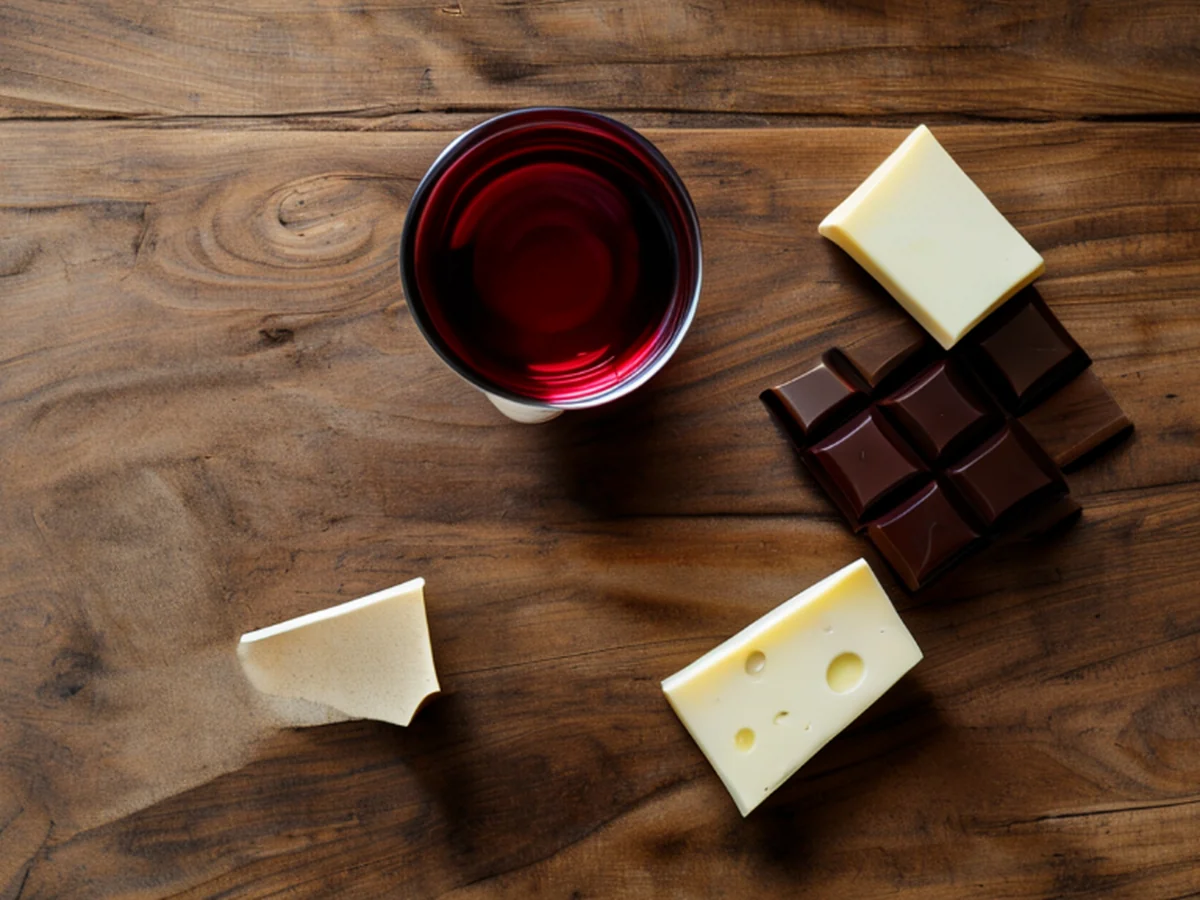
A person sits at a wooden table, swirling a clear liquid in a glass while contemplating the strength of the pour. Beverages are typically divided into three classes: beers, wines, and spirits, with alcohol content typically between 3% and 50%.
Understanding these categories helps in selecting the right drink for any setting. For example, the fermentation process significantly alters the final product.
According to the provided technical data, wine often involves a longer fermentation process than beer and often a long aging process, resulting in an alcohol content of 9%–16% ABV. In contrast, spirits are unsweetened, distilled, alcoholic drinks that have an alcohol content of at least 20% ABV.
The diversity of these classes allows for various social settings. For instance, a light beer might suit a casual gathering, while a high-proof spirit requires a different approach. The variety in ABV levels ensures that there is a drink for every preference and occasion.
However, these comparisons may not hold true when considering artisanal or non-standardized small-batch productions.
What makes beer and mead different? Drink pairing and venue perks A worker in an ancient setting lifts a heavy clay jug to take a long, refreshing drink. The history of brewing is as old as civilization itself, with remains of a brewery in Hierakonpolis, Egypt, dating to circa 3400 BCE.
Beer and mead represent two distinct paths of fermentation. Beer generally has a lower alcohol content, whereas mead can range from as low as 3% ABV to more than 20%. This wide range makes mead a versatile choice for different tastes.
| Beverage Type | Typical ABV Range |
|---|---|
| Mead | 3% to 20%+ |
| Wine | 9% to 16% |
I observed that the strength of these drinks can vary wildly depending on the specific recipe used. This variation is a key part of the drinking experience.
- Select the base fermentable sugars.
- Introduce the specific yeast strains.
- Monitor the fermentation environment.
How is the strength of spirits and cider determined? A bartender carefully pours a golden liquid into a small glass, checking the clarity of the spirit. Spirits are known for their higher alcohol content, often reaching around 40% for common distilled drinks like whisky or vodka.
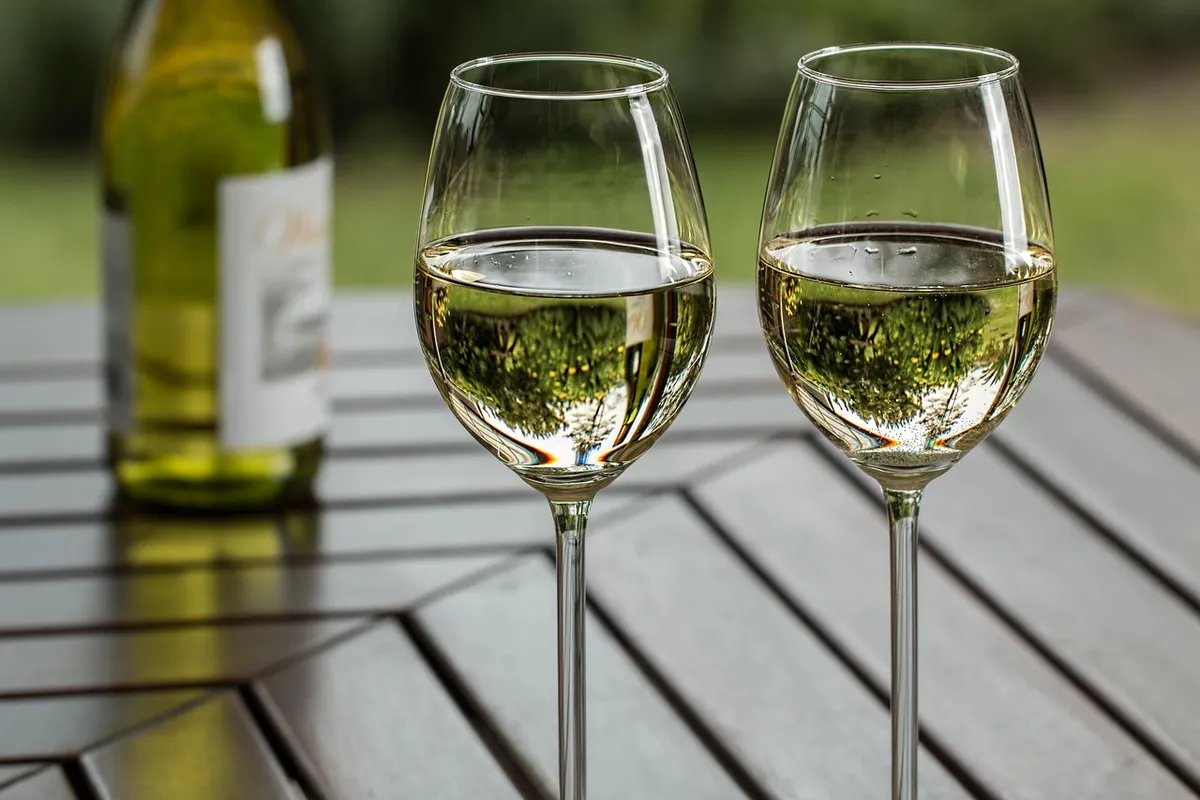
Cider and spirits offer a sharp contrast in texture and strength. Traditional English ciders can vary from 1.2% ABV to 8.5% or more. This makes cider a lighter option compared to the intense punch of a distilled spirit.
The distinction between these drinks is vital for proper pairing. A heavy meal might call for a spirit, while a light snack might pair better with a cider. Knowing these levels helps in managing the drinking experience effectively.
I find that the third point regarding distillation provides the most clarity.
How do fermentation processes affect the drink?
A scientist examines a bubbling vat of fermenting liquid in a quiet laboratory. The way a drink is made determines its final character, including its sugar content and alcohol strength.
Different methods yield different results. For instance, fermented water is an ethanol-based water solution with approximately 15-17% ABV without sweet reserve. This highlights how different base ingredients and fermentation times create unique profiles.
The length of the process is a major factor. While beer is often quicker to produce, wine requires months or years of aging. These processes are essential to achieving the desired flavor and alcohol level.
The results may vary if the temperature is not strictly controlled during the process.
What are the risks of alcohol consumption?
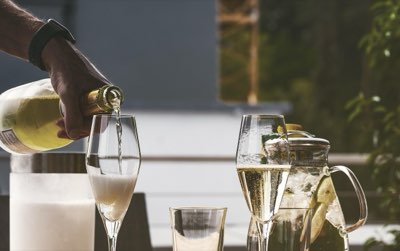
A person looks thoughtfully at a glass of wine, reflecting on the health implications of their choice. While the social aspects of drinking are significant, the health risks are a constant consideration for many.
The health impact is a serious matter that begins with the very first sip. According to a 2023 World Health Organization news release, the risk to the drinker's health starts from the first drop of any alcoholic beverage. This underscores the importance of moderation and awareness.
Understanding these risks is part of responsible drinking. It allows individuals to make informed decisions about how much and what they consume. Awareness of health risks is a critical component of a balanced lifestyle.
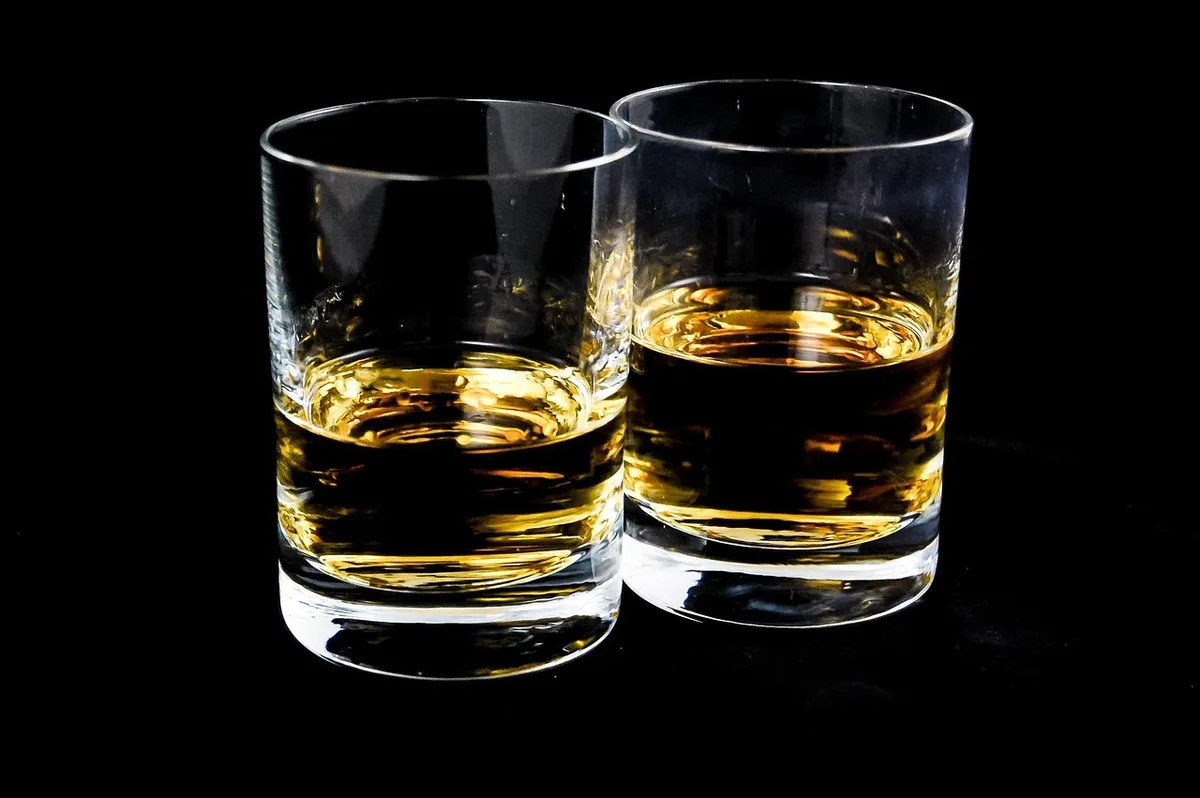
These risks are not applicable to individuals who consume alcohol in moderation within a healthy lifestyle.
The subject here is Drink pairing and venue perks.
The same subject is also called Best drink matches and spots.
The same subject is also called Where to drink and what to pair.
The same subject is also called Alcohol pairing and location guide.
The same subject is also called Drink setting and its strengths.
This part also covers Ideal spots for your beverage.
This part also covers Enhancing drinks with location.
This part also covers Perfect match for your drink.
Ideal spots for your beverage
Related
- ABV: How Alcohol Strength Shapes Your Flavor Profile
- 5 Steps to Perfect Pairings: Food Meets Beverage Art
How does the setting influence the beverage experience?
The physical location where a drink is consumed influences the overall perception of its quality and strength. The vessel used, the temperature of the environment, and the company present all contribute to the final impression of the beverage. These external factors interact with the inherent characteristics of the drink itself.
- The type of glass affects how the drinker perceives the liquid's viscosity and color.
- The ambient temperature can affect the enjoyment of a highly carbonated beverage versus a still one.
- The setting dictates whether the drink is viewed as a casual refreshment or a ceremonial offering.
While the liquid's ABV remains constant, the context shifts the drinker's perception of its potency. This interplay between the drink and its surroundings is part of the complete consumption ritual.
What are the cautions regarding the drinker's health?
The initial intake carries the potential for long-term effects on the drinker. The body processes alcohol differently based on intake patterns and individual tolerance. Therefore, mindful consumption is paramount for the drinker's long-term well-being.
- The body begins reacting to alcohol upon ingestion, even at low concentrations.
- Consistent intake patterns affect the body's ability to process the substance.
- Awareness of these physiological reactions is crucial for mitigating potential harm to the drinker.
The initial drop, while seemingly innocuous, initiates a chemical process within the body that requires consideration. The risk to the drinker is cumulative, making moderation a necessary condition for safe enjoyment.

Comments 0