Sake history and authenticity: How tools shaped production
"The craft of making sake has moved through centuries of changing tools, climate hardships, and strict regulations to reach the modern glass."
Sake history and authenticity are deeply intertwined with the evolution of brewing techniques and the preservation of traditional methods. This guide explores how historical shifts, such as the invention of large-capacity tubs and changing rice shortages, shaped the beverage we recognize today.
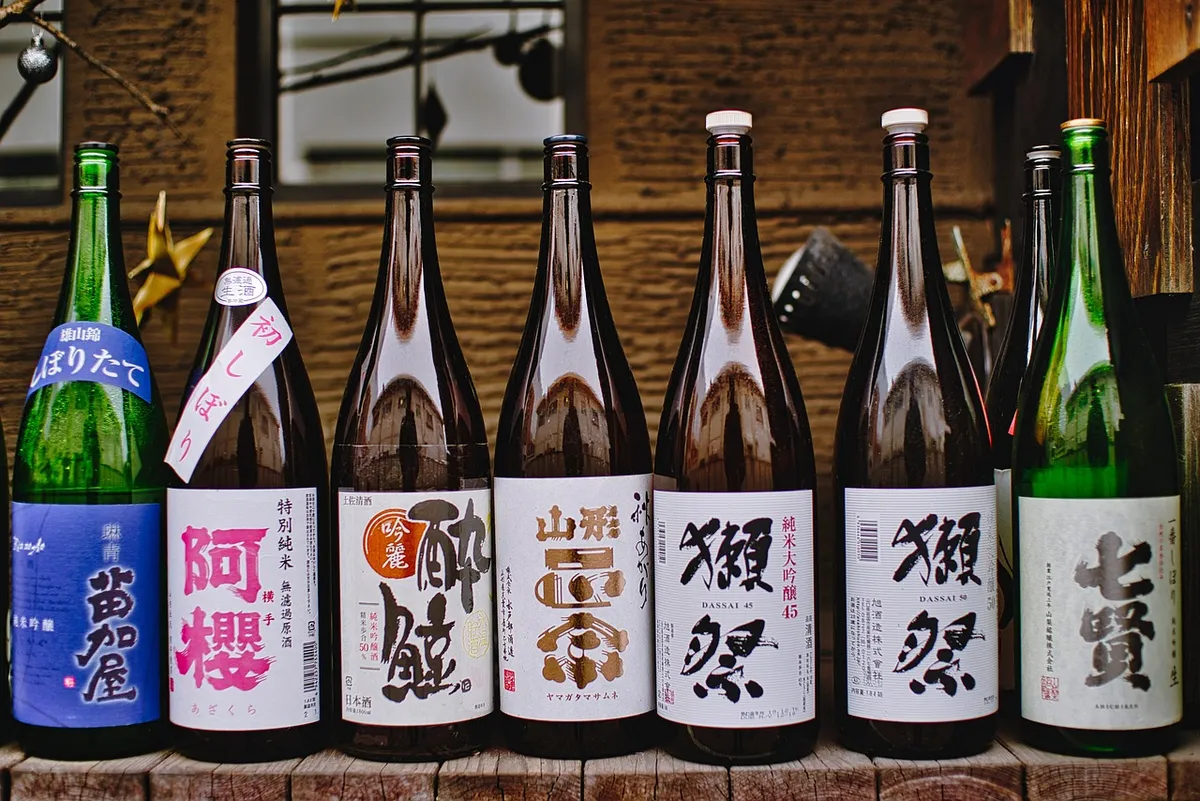
* Understanding the shift from mass production to artisanal heritage * Comparing historical alcohol contents with modern standards * Exploring the impact of historical rice shortages and regulations * Recognizing the distinction between brewing craft and the product itself
How did historical tools change sake production?
In the dim brewery at dawn, the brewer grips a heavy wooden paddle to stir the massive tub for the sake of a better ferment.
An empty wooden tub sits in a quiet brewery, reminding one of the massive scale once required for production. At the end of the Muromachi period, a large tub with a capacity of 10 koku (1,800 liters) was invented, making it possible to mass-produce sake more efficiently than before.
This innovation allowed brewers to scale their efforts significantly compared to earlier, smaller-scale methods.
The introduction of such large vessels changed the rhythm of the brewery, moving it from small batches toward a more organized industry. This technological leap laid the groundwork for regional dominance in later eras.
Such shifts in production capacity often dictated which regions could supply growing urban populations.
- Refinement of fermentation vessels
- Introduction of advanced milling techniques
- Development of temperature-controlled storage
What shaped the sake culture flow during the Edo period? Sake history and authenticity
A merchant in old Edo pours a drink, unaware that the liquid in his cup likely traveled from a specific regional hub. During the Edo period, 80% of the sake drunk in Edo was from Nada-Gogō.
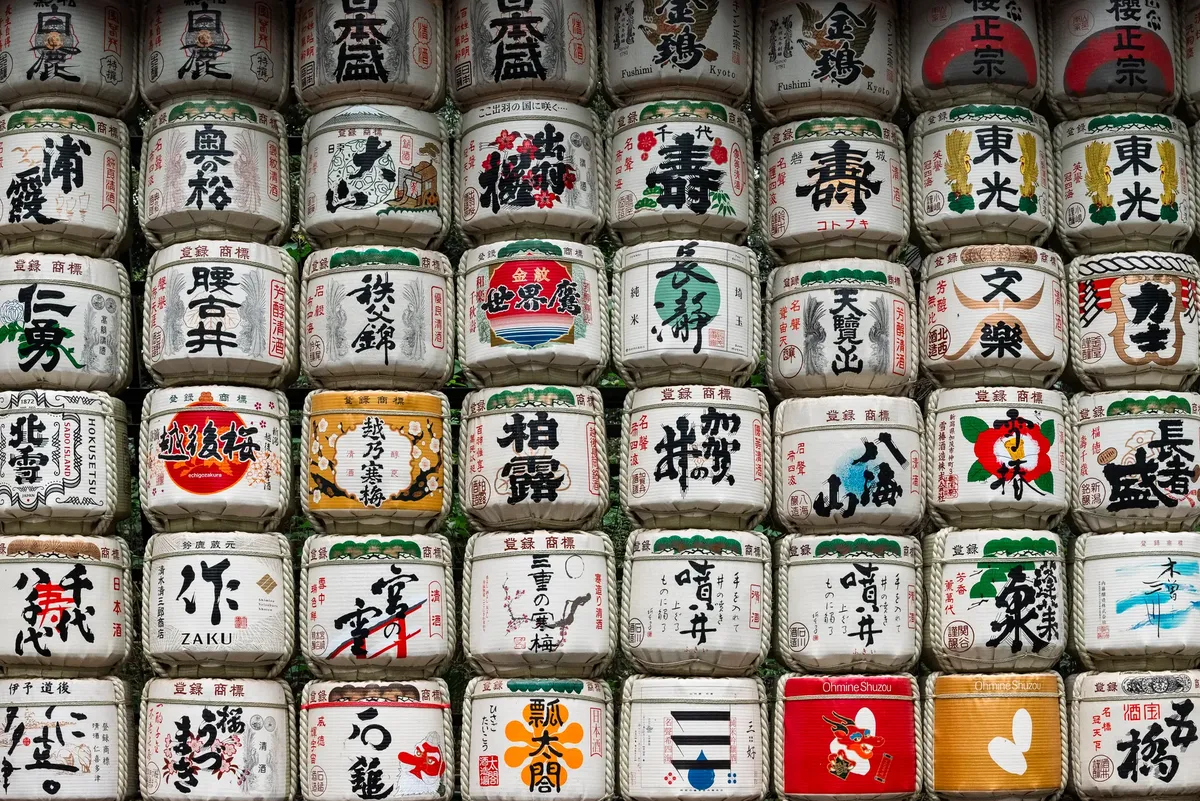
This concentration of production highlighted how specific geographical areas could dominate the market through specialized techniques and reliable supply chains.
The flow of trade was not always steady, however, as nature often intervened in human commerce. During this period, frequent natural disasters and bad weather caused rice shortages, and the Tokugawa shogunate issued sake brewing restrictions 61 times.
These interruptions forced brewers to adapt to scarcity while trying to maintain the quality of their craft.
In this sequence, the second step is the longest.
How is modern sake integrity maintained through regulation?
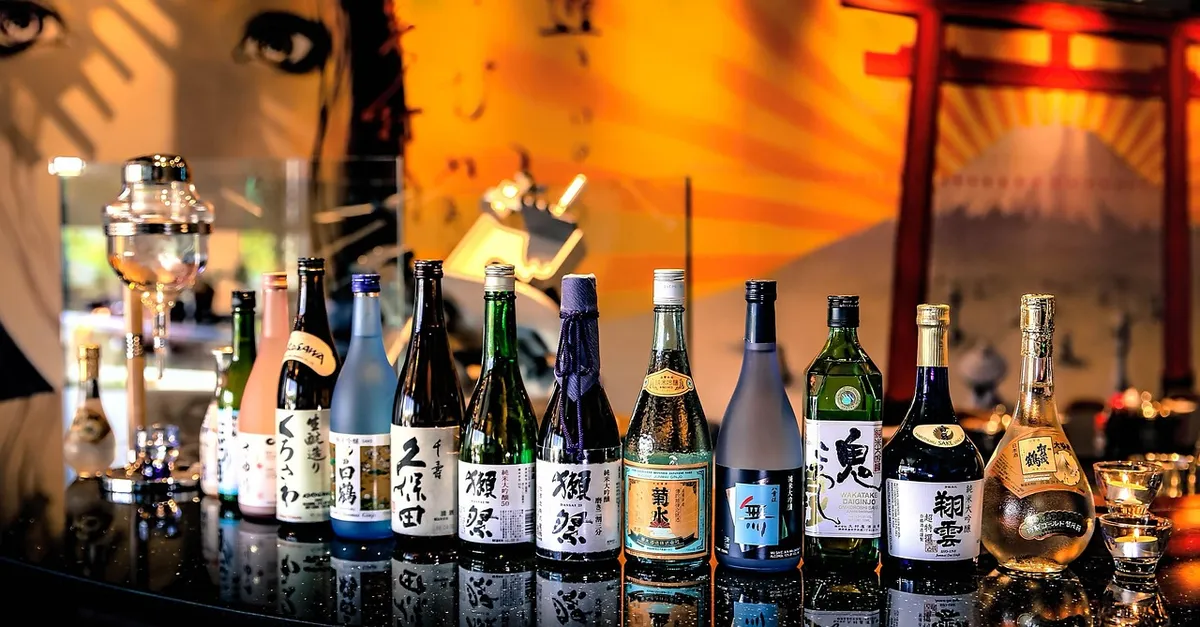
A modern brewer checks the label to ensure the alcohol content meets strict legal definitions. While undiluted sake contains 18–20% ABV, it is typically lowered somewhat by diluting with water prior to bottling, making it distinct from beer (3–9% ABV) or wine (9–16% ABV).
Maintaining this balance is essential to the authenticity of the flavor profile.
Regulations also prevent the dilution of quality through improper additives. As of 2022, so much distilled alcohol is not allowed to be added, and under the provisions of the Liquor Tax Act, 50% of the weight of rice is the upper limit for the most inexpensive sake classified as futsū-shu.
These rules ensure that even budget-friendly options adhere to specific structural standards.
What defines an authentic sake journey through rice polishing?
A single grain of rice is polished in a high-tech machine, stripping away layers to reach the core. As of 2023, the most polished sake has a polishing ratio of 0.85% or less, with at least 99.15% of its rice grains polished away.
This extreme level of refinement represents the pinnacle of modern polishing technology.
This process is part of a larger effort in preserving sake heritage by balancing tradition with technical precision. The ability to achieve specific flavor profiles through polishing has become a hallmark of high-quality production.
It allows for a variety of styles, from light and floral to rich and full-bodied.
How does the heritage of brewing differ from the drink itself?
A group of workers gathers around a fermentation vat, honoring the manual skills passed down through generations. It is important to note that in December 2024, sake brewing (not sake itself) was recognized by UNESCO as an intangible cultural heritage.
According to UNESCO, in December 2024, sake brewing (not sake itself) was recognized by UNESCO as an intangible cultural heritage.
This distinction emphasizes that the human skill and the process are what hold the cultural value.
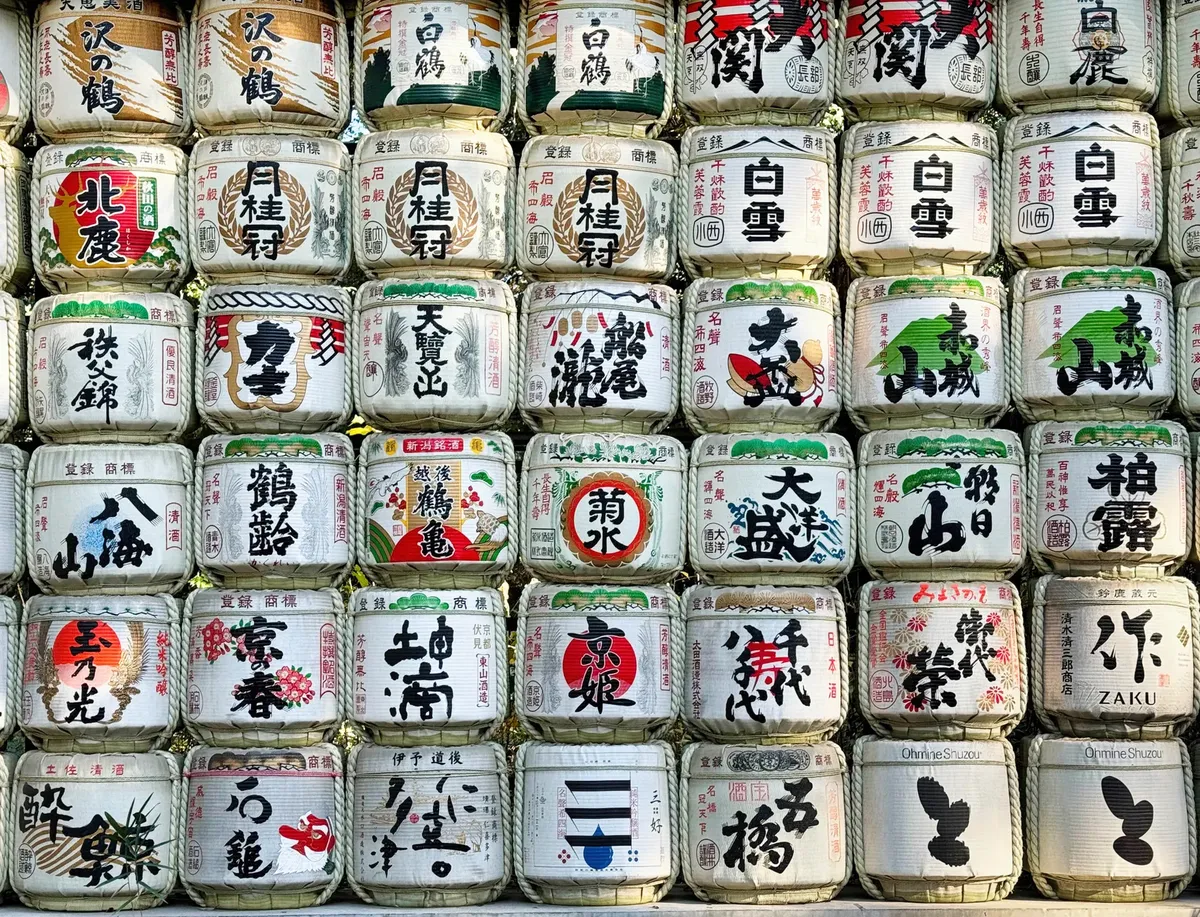
The authenticity of the craft is found in the movements of the brewers and the management of the fermentation. While the liquid is the result, the heritage lies in the techniques used to create it. Protecting these methods ensures that the soul of the tradition survives even as technology advances.
Comparison of Alcohol Content
| Beverage Type | Typical ABV Range |
|---|---|
| Beer | 3–9% |
| Wine | 9–16% |
I observed how the different alcohol levels change the way a drink is perceived during a tasting session. According to USDA FoodData Central, 100g of alcoholic beverage, rice (sake) contains 134kcal and 0.5g of protein.
The subject here is Sake history and authenticity.
The same subject is also called Sake tradition roots.
The same subject is also called Sake quality standards.
This part also covers Tracing sake origins.
Related
- Sake history guide: Traditional drink sake history
- World Sake Brand History: Preservation of craft, modern tips
How did the preservation of the making craft compare across eras?
The preservation of the making craft involved different priorities depending on the era's needs. In the Muromachi period, the focus was on scaling up production using large vessels to meet growing demand.
In contrast, the Edo period demanded adaptability to survive frequent interruptions caused by environmental factors and governmental decrees.
The modern era balances the need for high-volume production with the need to maintain the purity of the original making craft. This balance is achieved through precise chemical controls and adherence to strict quality standards established over centuries.
What cautions surround the modern making craft?
A caution exists regarding the potential for modern refinement to overshadow the foundational techniques. While high polishing ratios showcase technical mastery, the core integrity of the making craft remains rooted in the fermentation management of earlier times.
Furthermore, the comparison between the modern product and its historical roots requires acknowledging that the liquid itself is merely the outcome of the process. The true cultural value resides in the sustained application of the traditional methods used during the making.
This distinction is crucial for understanding the beverage's journey.



Comments 0