Beer, Wine, Spirits: Know The 3 Types of Alcoholic Beverages
Navigating the spectrum from low-ABV brews to high-proof spirits, understanding the technical classifications of alcoholic drinks is key to connoisseurship, commerce, and compliance.
The world of alcohol is often a confusing mix of tradition, chemistry, and law. Whether you are looking at a light cider or a heavy barrel-aged whisky, every bottle follows a specific set of rules regarding how it was made and how much alcohol it contains.
Key Takeaways: * The three main categories—beer, wine, and spirits—are primarily distinguished by their production methods: fermentation versus distillation. * Spirits are generally defined by a minimum alcohol threshold, often 20% ABV or higher, achieved through distillation.
* While fermentation creates the base alcohol, distillation concentrates it, moving a drink from a fermented beverage to a spirit. * Understanding ABV (Alcohol by Volume) is essential for both flavor profiling and adhering to global legal standards.

What are the basic types of alcohol? I remember standing in a crowded tasting room last autumn, looking at a flight of glasses that ranged from a pale, golden lager to a thick, dark liqueur. It was difficult to understand why some were grouped together while others were treated as entirely different classes of products.
According to the Fred Hutchinson Cancer Research Center, men who consumed four or more glasses of red wine per week experienced a 50 percent reduction in the risk of developing prostate cancer.
The industry generally divides beverages into three primary pillars: beers, wines, and spirits.
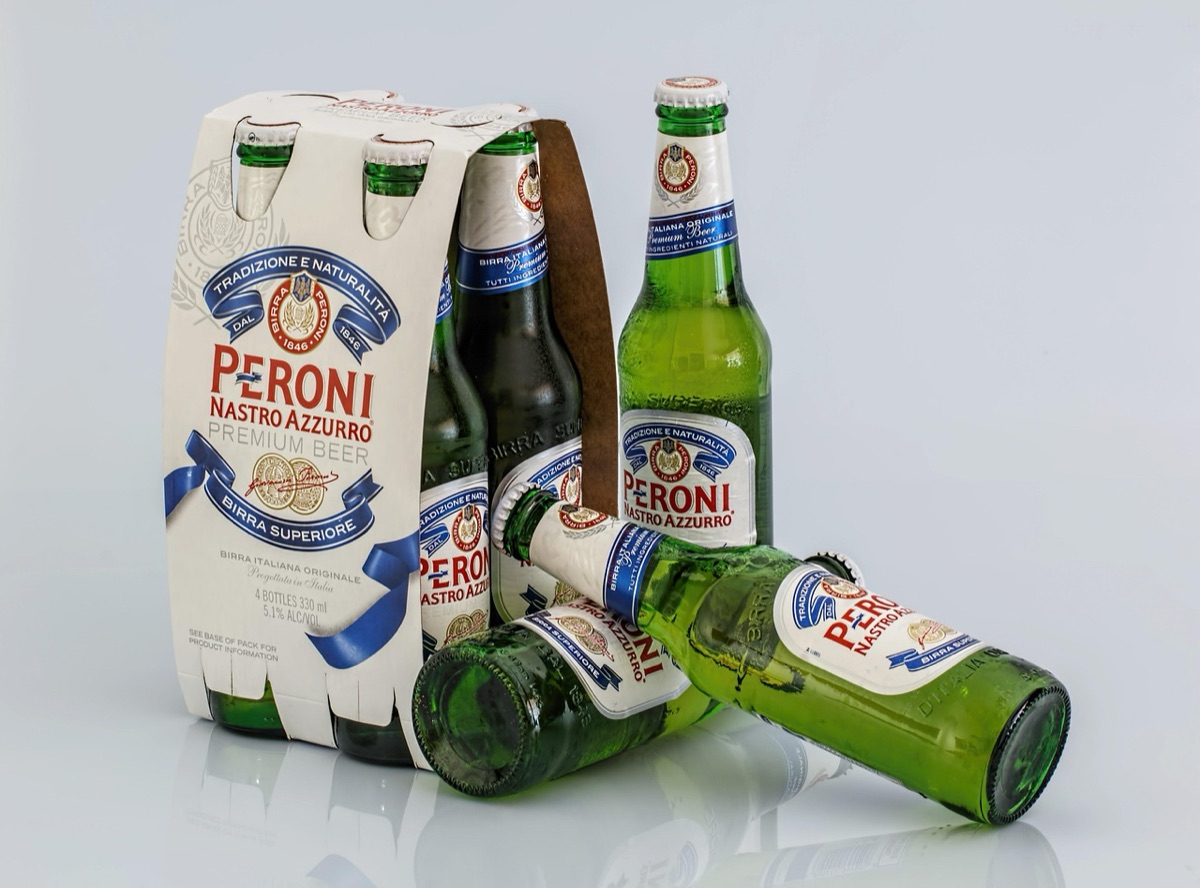
Beers are products of fermentation, where yeast converts sugars from grains into alcohol and carbon dioxide. Historical evidence, such as ancient Egyptian records, suggests that even early grain-based brews often yielded around 5% ABV.
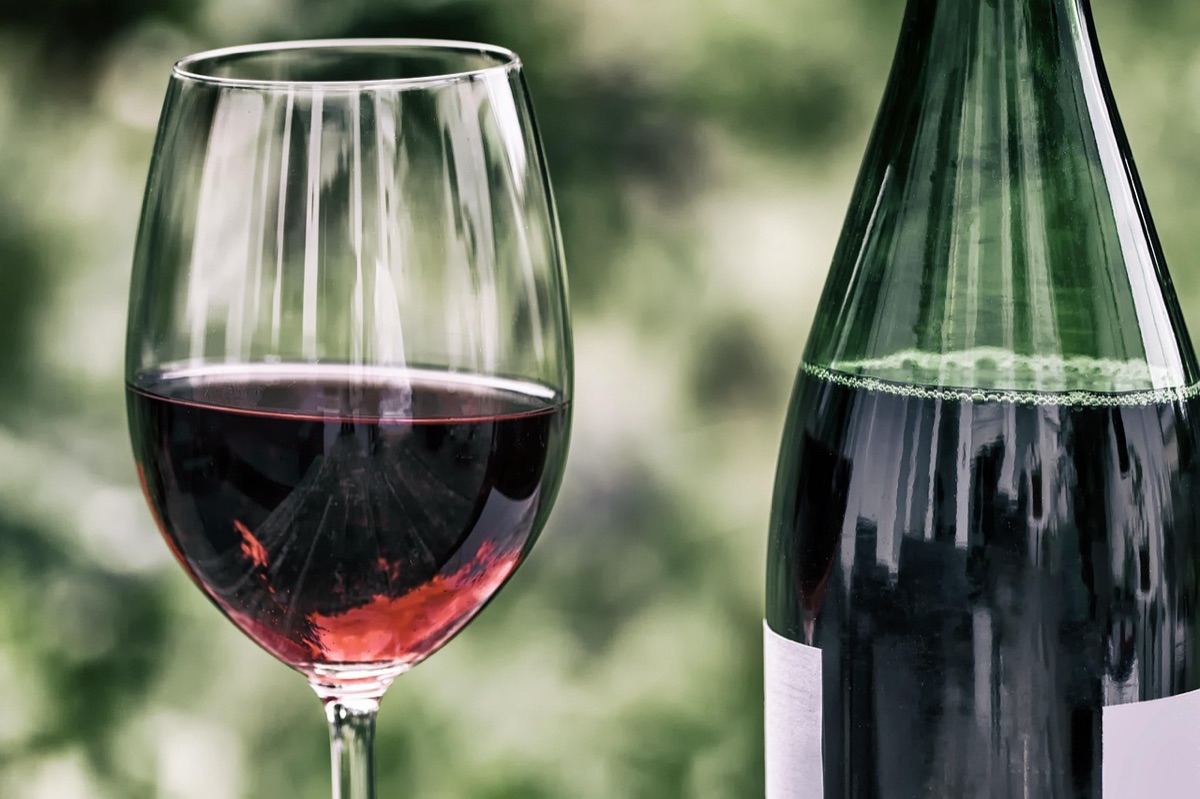
Wines take a different path, typically involving the fermentation of fruit sugars, often grapes. This process usually results in a higher alcohol concentration than beer, typically landing between 9% and 16% ABV.
Spirits represent the high-intensity end of the spectrum. Unlike beer or wine, spirits undergo distillation, a process that separates alcohol from water to concentrate the strength. Industrially, a beverage is often classified as a spirit if it maintains a minimum ABV of 20% or higher.
Understanding these categories helps you understand why a glass of wine is sipped differently than a shot of vodka.
As of 2025, the global market remains divided into three primary categories: brewed, distilled, and fortified beverages.
How is alcohol content measured and what are the technical ranges?
I once watched a bartender carefully use a hydrometer to check a batch of homemade cider, looking for that perfect balance between sweetness and strength. It was a reminder that alcohol content is not just a random number, but a precise measurement of chemical concentration.
Alcohol content is expressed as ABV, or Alcohol by Volume, which represents the percentage of the total volume that is pure ethanol.
The general range for consumer beverages is quite wide, typically spanning from 3% to 50% ABV. Within these ranges, we see specialized sub-categories. For example, mead, a honey-based fermented drink, can range anywhere from 3% to over 20% ABV depending on the recipe.
Traditional English ciders also show significant variety, often falling between 1.2% and 8.5% ABV.
When we move into the realm of distilled spirits, the numbers jump significantly. Standard spirits like whisky or vodka are commonly bottled at around 40% ABV.
There is also a legal nuance to consider. While we think of "non-alcoholic" as 0%, many countries define non-alcoholic beverages as those containing less than 0.5% ABV. This distinction is vital for labeling and trade.
| Category | Typical Production | Typical ABV Range |
|---|---|---|
| Beer | Fermentation (Grains) | 3% – 12% |
| Wine | Fermentation (Fruit) | 9% – 16% |
| Spirits | Distillation | 20% – 50%+ |
- Calibrate the hydrometer to ensure accurate specific gravity readings.
- Measure the density of the liquid sample.
- Calculate the alcohol percentage using the standard formula.
- Record the final ABV to verify it falls within the expected technical range.
How is alcohol actually made from scratch? Walking through a historic distillery, the heavy scent of fermenting mash and the warmth of the copper stills makes it clear that alcohol production is a transformative process. It is not just about adding strength; it is about changing the very nature of the liquid.
The journey begins with fermentation, which is the biological process of turning sugar into ethanol. Ancient evidence suggests that early brewing processes were massive undertakings, with some records suggesting yields of up to 1,135 liters of brew per day in certain historical contexts.
Wine production relies heavily on the aging process to develop complexity. While fermentation provides the alcohol, aging in barrels or bottles allows the flavor profile to stabilize, often resulting in a more nuanced alcohol presence than beer.
Spirit production, however, requires a fundamental change in state. Through distillation, the fermented liquid is heated, and the alcohol vapors are collected to create a much higher concentration. This is why spirits can reach much higher levels than fermented beverages.
It is worth noting that a simple fermented water-and-sugar solution can reach 15–17% ABV without any additional sweetening, which serves as the base for many high-strength fermented drinks.
When I first visited a distillery, I was surprised by how much the ambient temperature influenced the aging process. I realized then that patience is just as important as the recipe itself.
Global Context: Consumption, Culture, and Health Perspectives
Sitting at a quiet cafe, I read a news report about global health trends and realized how much our relationship with alcohol is shaped by both culture and biology. It is a topic that touches almost every person on the planet.
According to a 2019 survey conducted by the American Institute for Cancer Research (AICR), only 45% of Americans were aware of the associated risk of cancer due to alcohol consumption.
As reported by the WHO, harmful consequences of alcohol use result in 2.6 million deaths annually, accounting for 4.7% of all global deaths in a 2024 report.
The global presence of alcohol is significant, with approximately 33% of the human population currently consuming alcoholic beverages. However, this consumption comes with documented health implications.
According to the World Health Organization, there were an estimated 283 million people with alcohol use disorders worldwide as of 2016.
Health studies have looked into various ways alcohol affects the body. For instance, the Fred Hutchinson Cancer Research Center found that men who consumed four or more glasses of red wine per week had a 50 percent reduction in the risk of developing prostate cancer.
However, the risks are widespread. A 2024 World Health Organization report stated that harmful consequences of alcohol use result in 2.6 million deaths annually, which accounts for 4.7% of all global deaths.
Public awareness also varies. A 2019 survey indicated that only 45% of Americans were aware of the specific cancer risks associated with alcohol consumption, highlighting a gap between consumption and health literacy.
When I tried various traditional fermented drinks during my travels, I noticed how deeply they are tied to local seasonal rituals. I would suggest approaching these cultural tastings with a focus on history rather than just flavor.
Navigating the Legal and Commercial Landscape
I remember looking at a bottle of imported gin and wondering how many different laws had to be satisfied before it reached my shelf. The transition from a local craft to a global product is a maze of regulations.
A 2019 survey conducted by the American Institute for Cancer Research (AICR) showed that only 45% of Americans were aware of the associated risk of cancer due to alcohol consumption.
The legal definition of an alcoholic beverage is not universal. It changes significantly as you cross international borders, which can affect everything from tax rates to how a bottle can be marketed.
Producers must strictly adhere to local regulations regarding ABV labeling. If a drink is labeled as a "beer" in one country but exceeds a certain ABV, it might legally be classified as a spirit, triggering different tax laws and distribution rules.
While consumption is widespread—with 2015 data showing 70% of Americans drank in the last year—the industry is heavily shaped by responsible consumption initiatives. Governments use these legal definitions to control sales, age limits, and advertising standards.
Ultimately, the classification of a drink is a blend of its chemical reality and the laws of the land.
As of 2025, regulatory frameworks for alcohol distribution vary significantly across different international borders.

Comments 0