World Sake Brand History: Preservation of craft, modern tips
"The craft of brewing is a living history, preserved through generations of technique and tradition."
The World Sake Brand History is a journey through centuries of refinement, evolving from ancient fermentation to a globally recognized craft. This guide explores the historical shifts, flavor profiles, and production methods that define the beverage.
You will learn about historical mass production, regional dominance, and the technical nuances of alcohol content.
How did historical tools change the World Sake Brand History?
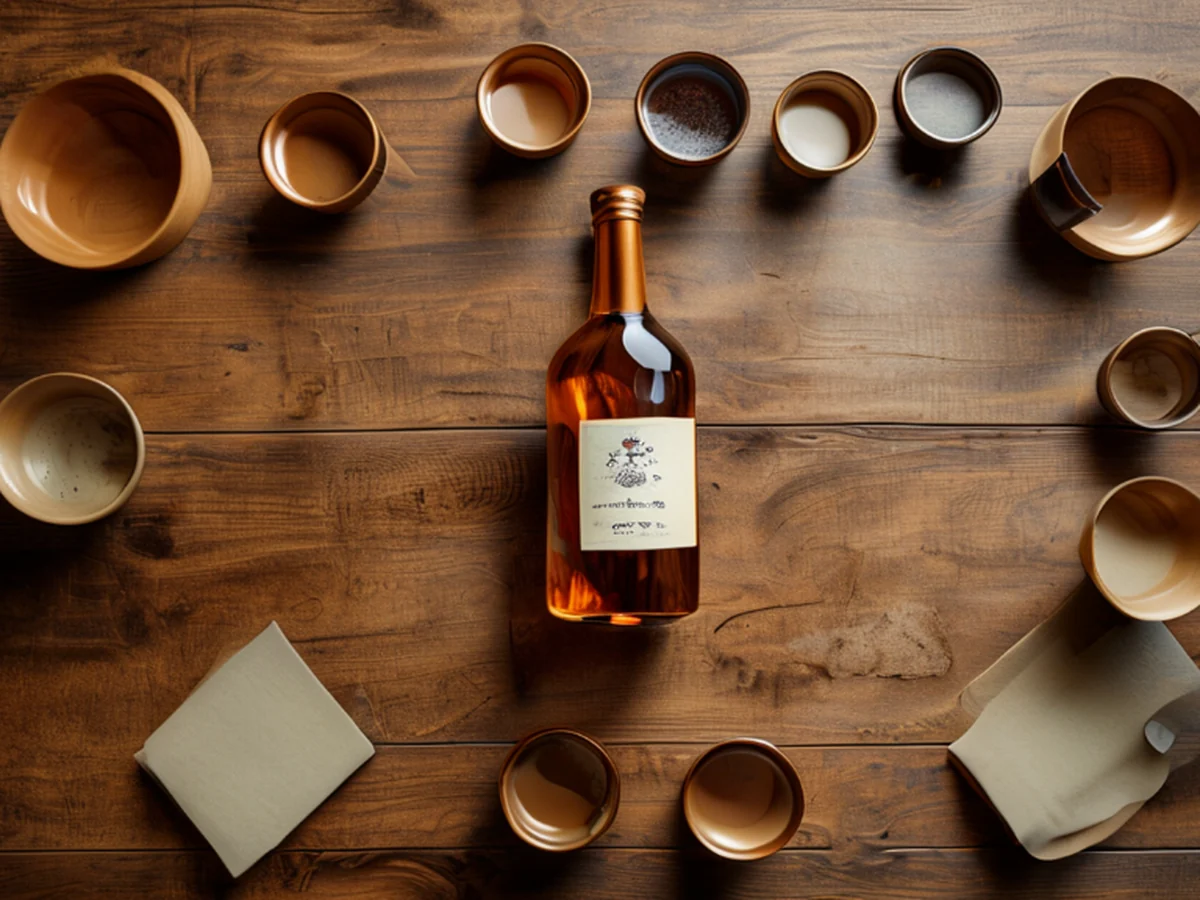
In the dim brewery at dawn, a craftsman grips a heavy wooden tool to reshape the world of fermentation.
A craftsman lifts a heavy wooden tool to prepare the mash in a dim brewery. During the end of the Muromachi period, a large tub with a capacity of 10 koku (1,800 liters) was invented, making it possible to mass-produce sake more efficiently than before.
This innovation shifted the scale of production from small batches to more significant volumes.
The development of such large-scale vessels allowed breweries to meet growing demand across different regions. This technological leap laid the groundwork for more structured trade and distribution networks. Such tools transformed the way brewers managed their fermentation processes.
- Transition from manual stone milling to mechanical polishing machines.
- Implementation of temperature-controlled fermentation vessels.
- Integration of modern filtration systems for clarity.
What shaped the regional taste in the Best Sake Brand Story?
A merchant carries a heavy ceramic jar through a bustling marketplace in old Edo. During a specific historical period, 80% of the sake drunk in Edo was from Nada-Gogō. This concentration of production in one area established a dominant flavor profile and brand identity for the capital.
The dominance of Nada-Gogō illustrates how geographic specialization can define a market. The popularity of this specific region's style influenced consumer preferences for generations. It remains a significant chapter in the evolution of the industry.
In this sequence, the second step is the most extensive.
Understanding the Sake Taste Journey through alcohol levels
A glass is poured carefully, catching the light as the liquid settles. While most beer contains 3–9% ABV and wine generally contains 9–16% ABV, undiluted sake contains 18–20% ABV. This higher potential alcohol content is typically lowered somewhat by diluting with water prior to bottling.
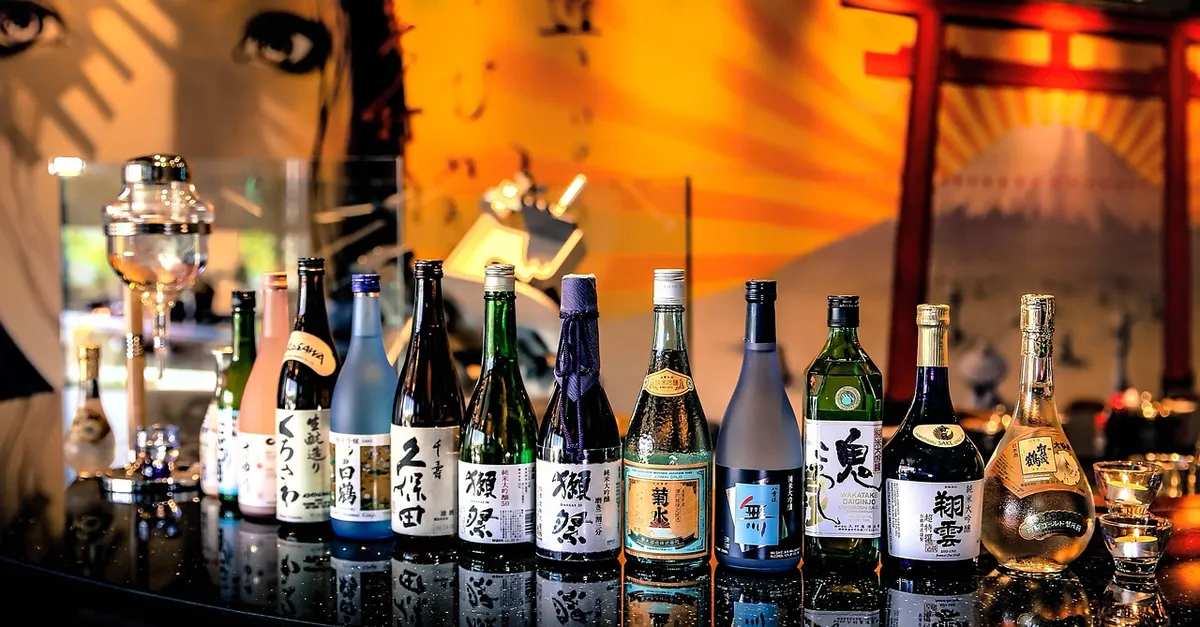
This distinction in alcohol levels helps define the different drinking experiences of various beverages. While beer and wine have their own standard ranges, sake offers a unique starting point for dilution. This characteristic is central to understanding the beverage's strength.
How do Global Sake Brands handle rice usage and regulations?
A farmer inspects a field of polished grains under the morning sun. In 2008, a total of 180,000 tons of polished rice were used in sake brewing, of which sake rice accounted for 44,000 tons (24%), and table rice accounted for 136,000 tons (76%).
This shows the significant volume of rice utilized in the industry.
Regulations and grain types play a vital role in how brands are categorized and produced. The use of specific rice varieties affects the final quality and style of the brew. Understanding these proportions provides insight into the scale of the industry.
| Beverage Type | Typical ABV Range |
|---|---|
| Beer | 3–9% |
| Wine | 9–16% |
What are the Rice Wine Culture production standards?
A brewer monitors the temperature of the fermenting mash in a quiet cellar. Under the provisions of the Liquor Tax Act, 50% of the weight of rice is the upper limit for the most inexpensive sake classified as futsū-shu. This rule ensures specific classifications remain distinct.
According to UNESCO, sake brewing (not sake itself) was recognized by UNESCO as an intangible cultural heritage in December 2024.
The distinction between different grades is often based on how much the rice has been polished. This process affects the clarity and aroma of the final product. These standards help consumers navigate the wide variety of available styles.
How to understand the Rice Wine Culture through composition?
A person examines the nutritional label on a bottle of rice wine. According to USDA FoodData Central, 100g of sake contains 134kcal, 5g of carbohydrates, 0.5g of protein, 5mg of calcium, 25mg of potassium, 0.02mg of zinc, 0.1mg of iron, 6mg of magnesium, and 2mg of sodium.
Understanding these components provides a factual basis for the beverage's composition. Each element contributes to the overall profile of the liquid. Knowing these values is helpful for those interested in the specific makeup of the drink.
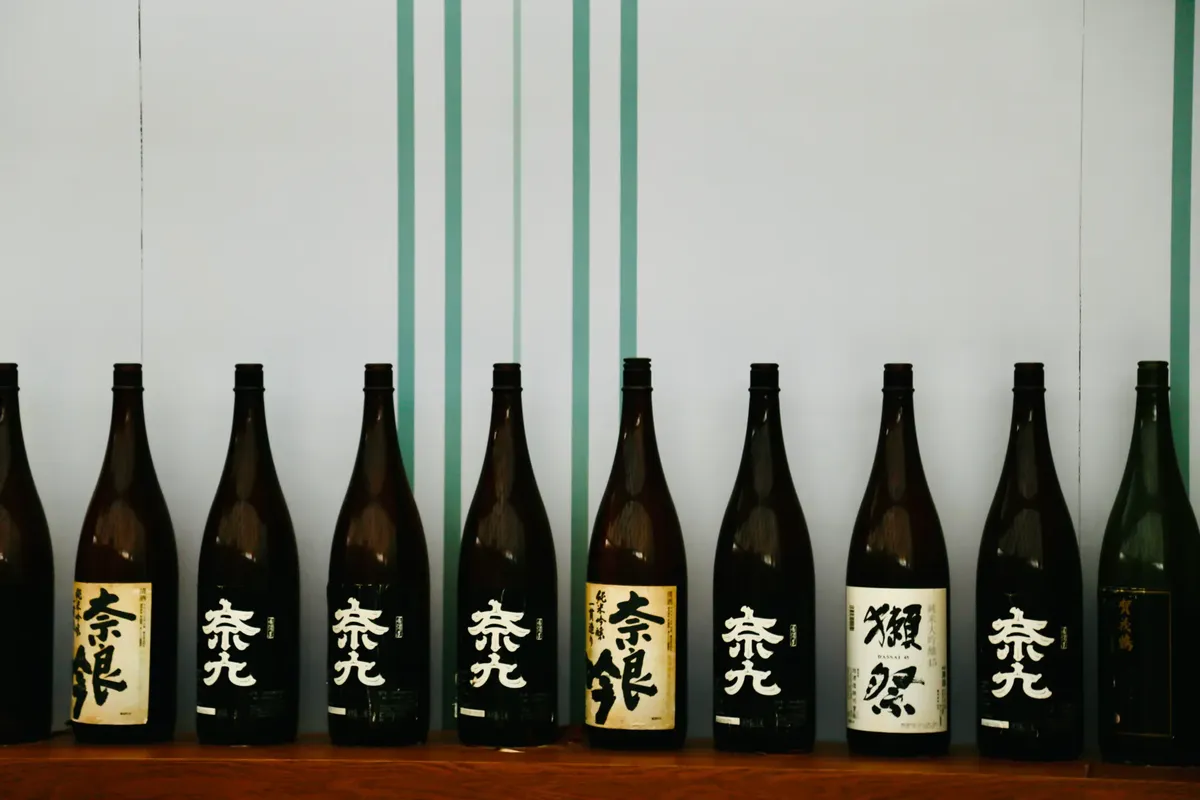
I once compared the weight of different rice types used in a local brewery to see how much was lost during polishing.
One limitation is that the specific historical restrictions issued by the Tokugawa shogunate, which occurred 61 times, were driven by rice shortages caused by natural disasters and bad weather.
The subject here is World Sake Brand History.
This part also covers Sake Types And Aroma.
This part also covers Alcohol Content Guide.
This part also covers Regional Sake Styles.
Sake Types And Aroma
Related
- 3% to 50% ABV: Drink pairing and venue perks for all
- ABV: How Alcohol Strength Shapes Your Flavor Profile
How does the preservation of the craft relate to modern brewing?
The continuation of the craft relies on the foundational techniques passed down through generations. The tradition of brewing survives because the underlying processes remain relatively consistent despite scale changes.
This continuity binds the past methods to the present-day execution of the craft.
The technical nuances of alcohol content, while understood historically, require modern consistency for global recognition. The regional dominance seen in the past informs modern producers about successful flavor profiles.
Therefore, the journey of the craft is one of adaptation while respecting its roots.
What cautions surround the traditional brewing process?
The historical constraints imposed by the Tokugawa shogunate serve as a caution regarding resource management. These restrictions highlight the vulnerability of the process to external pressures like poor harvests.
Furthermore, the shift from small batches to large vessels required careful management of the fermentation process.
The high potential alcohol content of undiluted sake mandates a controlled dilution step for broader consumption. This necessary step reflects a practical consideration for making the beverage accessible to a wider palate, balancing strength with palatability.
This balance is crucial for the modern understanding of the craft.


Comments 0