Vodka Gin Rum Guide: History of Spirits Guide
"The history of spirits is often written in the balance between pure distillation and the careful addition of water."
Choosing the right spirit involves understanding historical standards, legal minimums, and nutritional composition. This guide explores the nuances of vodka, gin, and rum to help you navigate various proofs and flavor profiles.
Key takeaways include understanding minimum alcohol requirements, distinguishing between historical distillates, and recognizing the caloric differences between proof levels.
What defines a standard Vodka-based spirit?
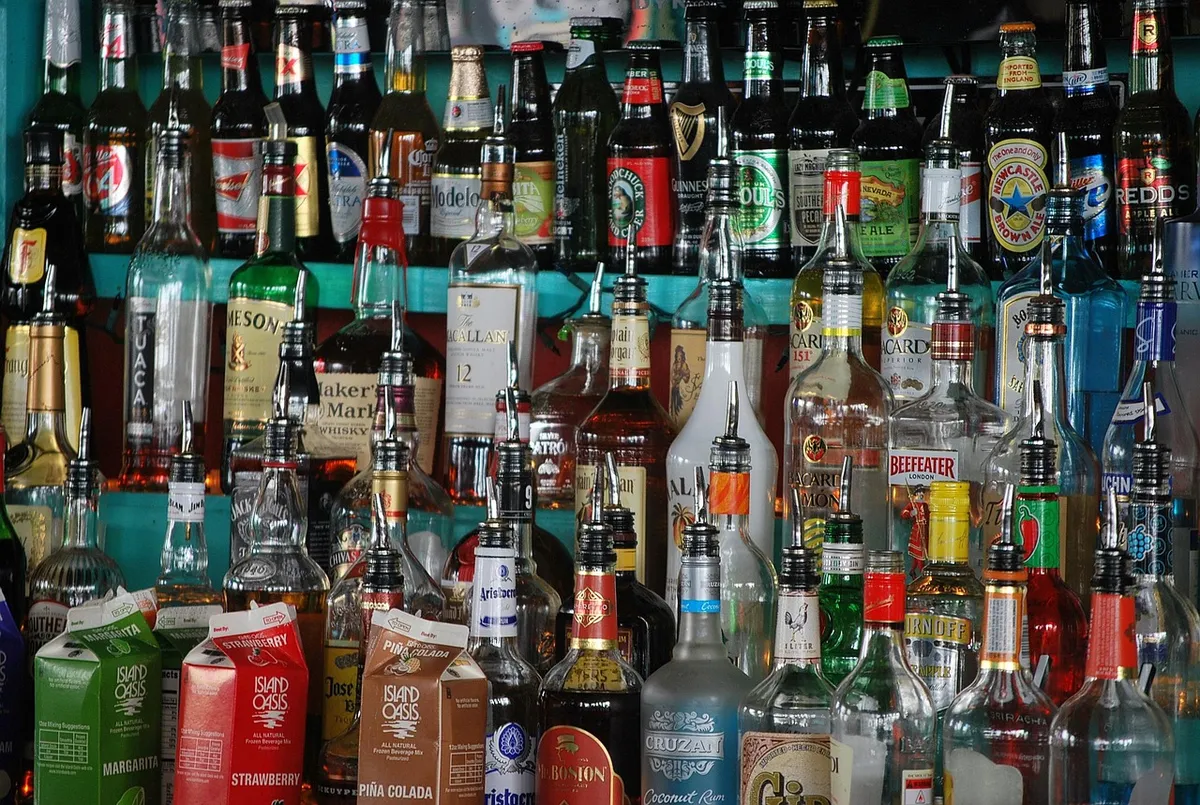
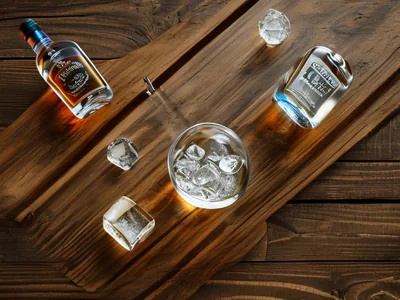
A clear glass bottle sits on a wooden bar, reflecting the light of a quiet evening. Since the 1890s, standard vodkas have been 40% alcohol by volume (ABV), which is equivalent to 80 U.S. proof. This specific strength became a global benchmark for clarity and consistency.
According to The European Union, a minimum alcohol content of 37.5% has been established for vodka.
The legal landscape dictates much of what reaches the shelf. For example, the European Union has established a minimum alcohol content of 37.5% for vodka. In the United States, the requirement is slightly higher, as vodka must have a minimum alcohol content of 40%.
Understanding these baseline percentages is the first step in any Spirit Choice Guide.
Historically, the strength of spirits varied wildly based on the method of production. Early distillates included brantówka, szumówka, and okowita, where the third type generally contained 70–80% ABV. These variations show how the definition of a single category has shifted over centuries.
How do different proofs affect the Spirit Taste Compare? Vodka Gin Rum Guide
At dusk in the dimly lit lounge, I swirled the heavy vodka in my glass and felt the sharp sting of high proof against my tongue.
A heavy crystal decanter holds a clear liquid, waiting to be poured into a small tasting glass. When comparing spirits, the proof level significantly alters the sensory experience and the chemical makeup of the drink. For instance, an 80 proof vodka contains 231kcal and 1mg of sodium per 100g.
As reported by USDA FoodData Central, 80 proof distilled vodka contains 231kcal and 1mg of sodium per 100g.
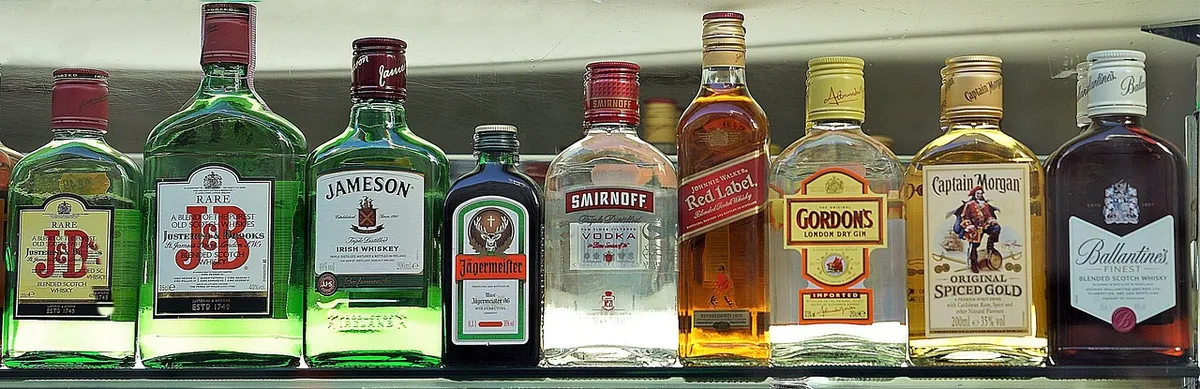
In contrast, a higher strength spirit like a 100 proof distilled beverage provides a different profile, containing 295kcal and 1mg of sodium per 100g. This difference in energy density is a key factor for those tracking their intake.
A proper Spirit Taste Compare requires noting how higher alcohol concentrations affect the body of the liquid.
The method of dilution also plays a role in the final product. Some beverages were historically watered down to create a simple vodka with 30–35% ABV. Others used an alembic to maintain a much higher concentration. These distinctions define the character of the spirit you choose to serve.
What are the origins of the Spirit Pouring Flow?
A copper still gleams in a dim distillery, representing centuries of refinement. The evolution of spirits often involved moving from medicinal tinctures to standardized commercial products.
Historically, the word vodka described herbal tinctures containing up to 75% ABV, often used for medicinal purposes.
The transition to modern spirits was influenced by regulatory changes and industrial shifts. A 2005 European Commission proposal sought to split the vodka category into several subcategories based on flavor and raw materials.
This type of regulatory movement shapes the modern Spirit Pouring Flow by defining what can be labeled as a specific type of spirit.
In some regions, the transition from high-proof spirits to consumer-friendly bottles was common. Some drinks were diluted to 24% ABV or less before being served. This history of adjustment reflects the constant tension between potency and palatability.
##

An empty grain silo stands against a vast horizon, reminding us of the raw materials used in distillation. Many modern vodkas in the United States are produced from 95% pure grain alcohol. This high-purity base is often supplied by large-scale agricultural-industrial producers.
The choice of base material determines the purity and the potential for flavoring. While some look for the clean profile of grain alcohol, others might prefer the historical complexity of traditional distillates.
Finding the Best Spirit for You depends on whether you prioritize modern consistency or traditional character.
| Spirit Strength | Calories (per 100g) | Sodium (per 100g) |
|---|---|---|
| 80 Proof Vodka | 231kcal | 1mg |
| 100 Proof Spirit | 295kcal | 1mg |
I personally find that checking the label for these specific caloric and sodium values is essential when selecting a bottle for a social gathering.
How should you manage a Budget Spirit Picks scenario?
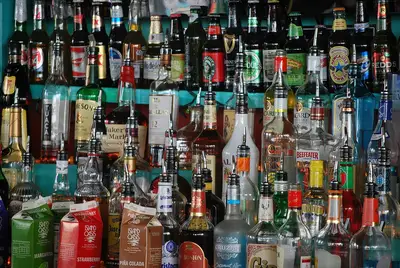
A small grocery store shelf holds various bottles, each with a different price point and proof. When managing Budget Spirit Picks, it is important to recognize that high-proof grain alcohol can be a versatile base for many cocktails.
Large-scale production allows for consistency even at lower price points.
One limitation to consider is that lower-cost spirits may lack the complex flavor profiles found in premium, small-batch bottles. For instance, some historical versions of spirits contained little alcohol, with an estimated maximum of only about 14%.
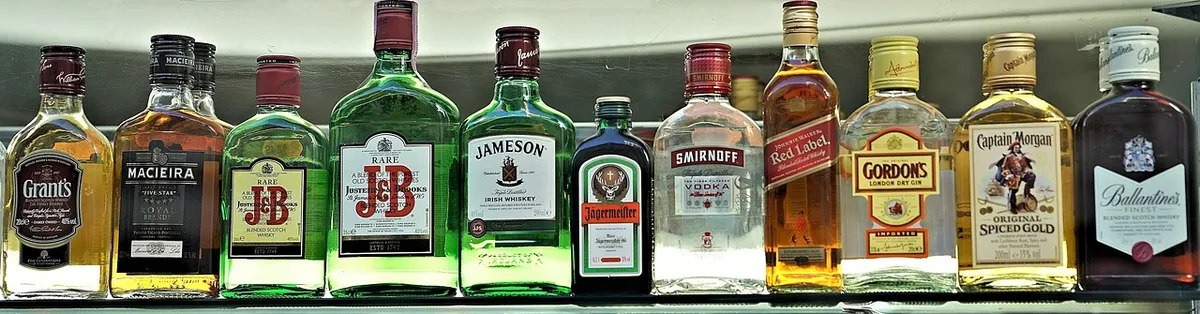
Such low-proof options are quite different from the standard 40% ABV found today.
- Identify the desired proof level for your specific cocktail or neat serving. 2. Compare the caloric content to ensure it fits your dietary preferences. 3. Check the legal minimums of your region to ensure quality standards are met. 4. Final check: Verify the alcohol percentage on the label against your intended use.
- What defines a standard Vodka-based spirit?
- How do different proofs affect the Spirit Taste Compare?
- What are the origins of the Spirit Pouring Flow?
The subject here is Vodka Gin Rum Guide.
The same subject is also called Spirit Pairing Ideas.
This part also covers High Proof Spirit Tips.
Related
How does the history of spirits inform modern production?
The journey through the history of spirits reveals a constant negotiation between potency and palatability. Early medicinal tinctures, which could reach 75% ABV, contrast sharply with modern consumer products often diluted for broader appeal.
This historical spectrum informs contemporary producers about the range of acceptable strengths.
The shift from high-proof historical distillates to modern standardized vodkas illustrates a move toward market accessibility. While early batches varied greatly, modern production seeks consistency while respecting the foundational chemical properties of the base materials.
Understanding this evolution helps producers decide whether to maintain a traditional, high-proof profile or to adhere to contemporary market norms regarding dilution and aging processes.


Comments 0