Distillation vs Fermentation: Base Liquids Shape Your Palate
"The difference between what you smell and what you taste is the difference between a simple drink and a complex liquid experience."
Understanding the nuance between aroma and taste is the first step toward moving from a casual drinker to a true connoisseur. While your nose captures the fleeting scents, your tongue captures the structural reality of the liquid.
Key Takeaways * Aroma engages the olfactory senses (the nose), providing the initial layers of complexity. * Taste engages the tongue, providing the foundational profile (sweet, sour, bitter, umami).
* The finish or aftertaste is where the interplay between aroma and taste reveals the spirit's journey.
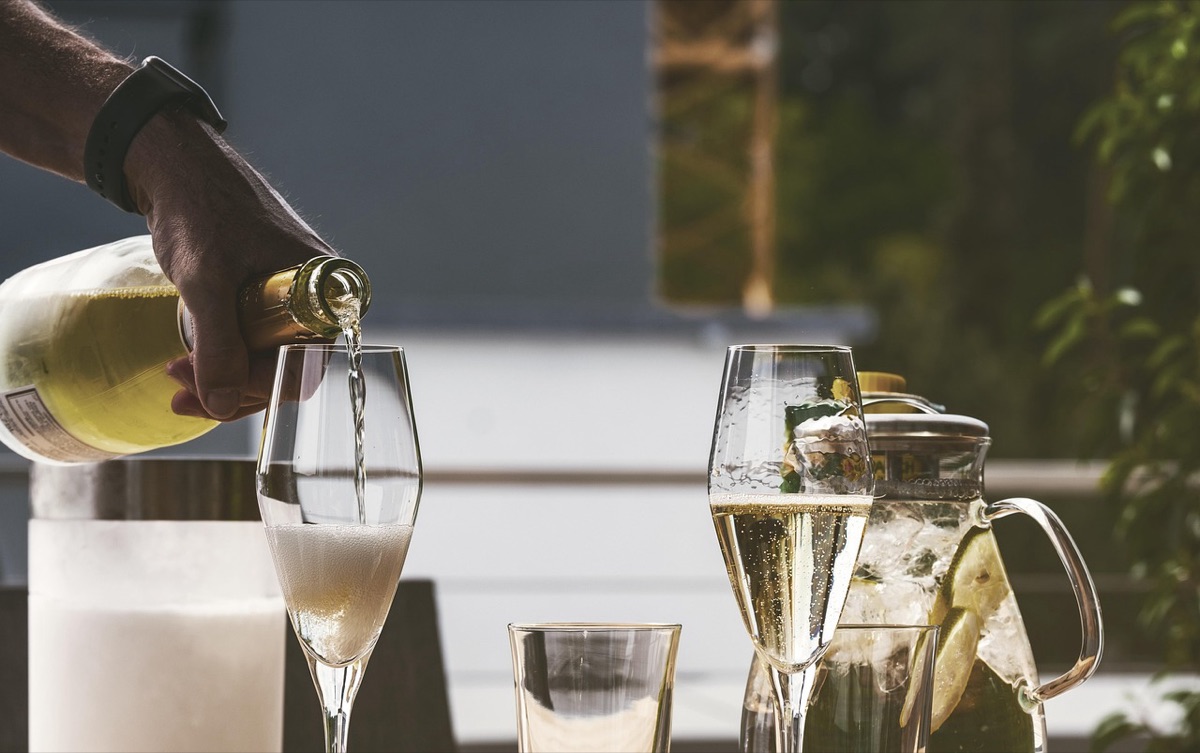
What's the difference between aroma and taste? The heavy crystal glass sits on a dark mahogany table in my study. As I tilt it toward my face at 8:00 PM, a cloud of scent rises to meet me. I haven't even taken a sip, yet the room suddenly smells like toasted vanilla and dried orange peel.
Aroma refers to the volatile compounds inhaled through the nasal passages; this is the promise of the drink. These molecules travel through the air into your nose, providing the "bouquet" or "nose" of the spirit.
Because these compounds are airborne, they allow you to perceive complex notes like oak, spice, or floral scents before the liquid ever touches your mouth.
Taste, conversely, is the chemical reaction occurring on the tongue receptors. While aroma is about scent, taste is about the five basic sensations: sweet, sour, bitter, salty, and umami. These form the structural backbone of the liquid profile.
The true magic happens during the synergy of the finish. As you swallow, the aroma travels from the back of your throat up to your nasal cavity—a process known as retronasal olfaction.
This is where the lingering scent meets the lingering taste on the palate, creating the final, lasting impression of the drink.
But how do these different liquids actually compare in their intensity?
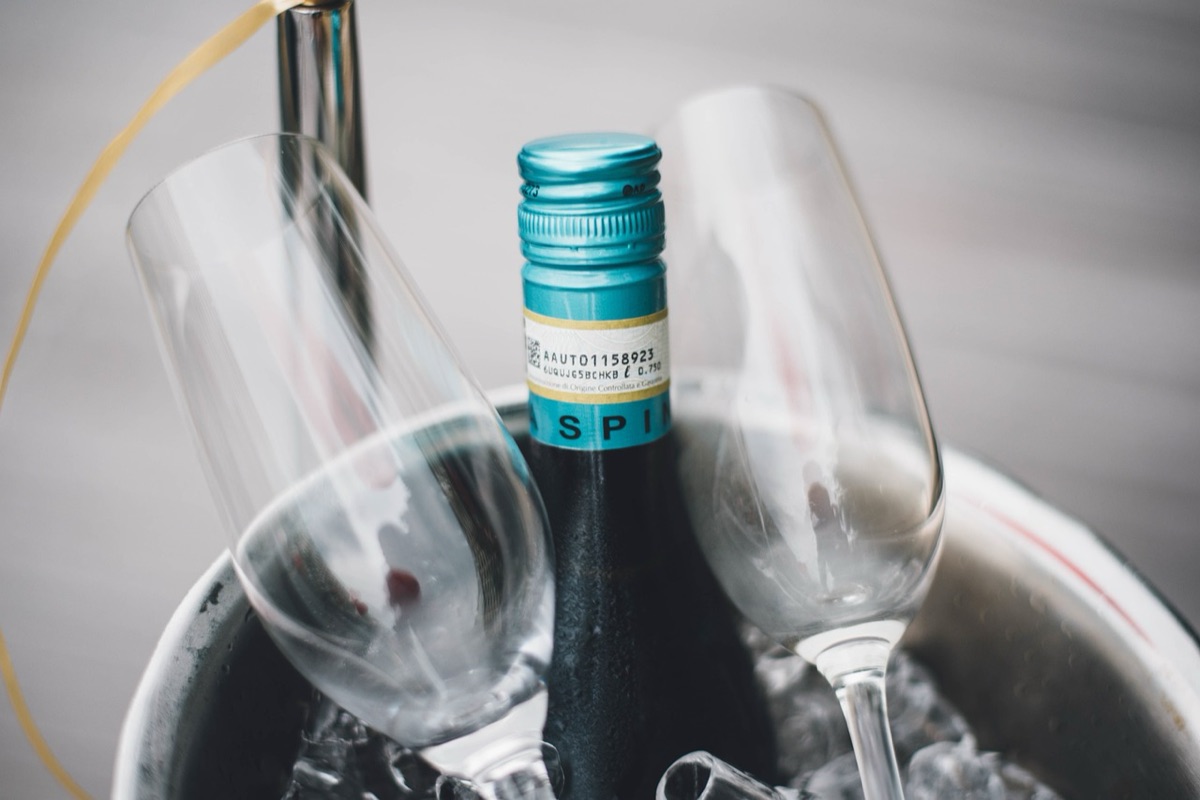
The Spectrum of Spirits: How Base Liquids Differ
A bartender slides a heavy, amber-colored bottle across the bar in a dimly lit lounge. The liquid catches the low light, moving with a thick, syrupy weight. I notice how the viscosity of the liquid seems to dictate how much scent it releases into the air.
The base liquid dictates the entire sensory journey. In distilled spirits like whisky, the process of distillation concentrates flavors, often resulting in much higher alcohol content. Spirits often sit around 40% ABV, which provides the "heat" or "burn" felt on the tongue.
The aging process in wooden barrels adds secondary aromas like vanilla or smoke that aren't present in the raw distillate.
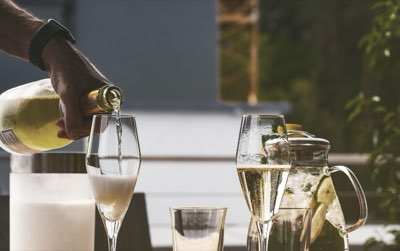
Wine follows a different path, relying on fermentation rather than distillation. The typical ABV range for wine sits between 9% and 16% ABV. Because wine is not distilled, the aroma is much more tied to the fruit and the fermentation process itself.
While spirits focus on concentrated intensity, wine often focuses on the delicate balance of acidity and fruit.
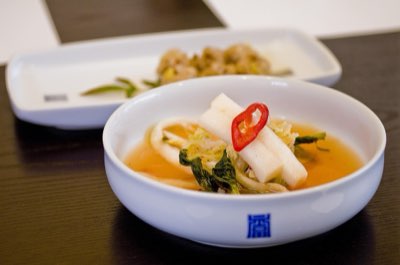
Other bases, such as sake or mezcal, offer unique profiles based on their raw materials. Grains used in whisky create different aromatic compounds than the agave used in mezcal. Understanding these base differences helps you predict whether a drink will be heavy on the palate or light on the nose.
| Spirit Category | Typical ABV Range | Primary Sensory Driver |
|---|---|---|
| Spirits (Whisky, Gin, etc.) | 40% + | Distillation & Oak |
| Wine | 9% – 16% | Fermentation & Terroir |
| Beer | 3% – 12% | Yeast & Hops |
But how do you actually train your brain to catch these nuances?
How can I develop my palate step-by-step? I sit quietly in a dim corner of my dining room, holding a small tulip-shaped glass. I realize that simply gulping the liquid would miss the very nuances I am trying to discover. To truly understand a drink, you need a ritual.
Following a structured approach allows you to isolate the aroma from the taste before they merge. Use this four-step method for your next tasting:
- Observe: Look at the color and clarity. Is it pale straw or deep mahogany? This gives you a hint of the aging process.
- Nose: Swirl the liquid gently to aerate it, then bring it to your nose. Inhale deeply to identify the primary aromas.
- Sip: Take a small amount into your mouth. Let it coat your tongue to identify the basic tastes (sweet, bitter, etc.).
- Swish and Finish: Move the liquid around your mouth to engage all taste buds, then swallow. Notice how long the aroma lingers after the liquid is gone.
Building a vocabulary is the next step. Instead of saying a drink is "good," try to match descriptors to what you actually sense.
If you smell wood, it might be "oak" or "sandalwood." If you feel a sharp sting, it might be "peppery" or "ethanol-forward." Learning these terms helps you communicate the specific character of the spirit.
Once you can identify the notes, the next question is how to make them sing.
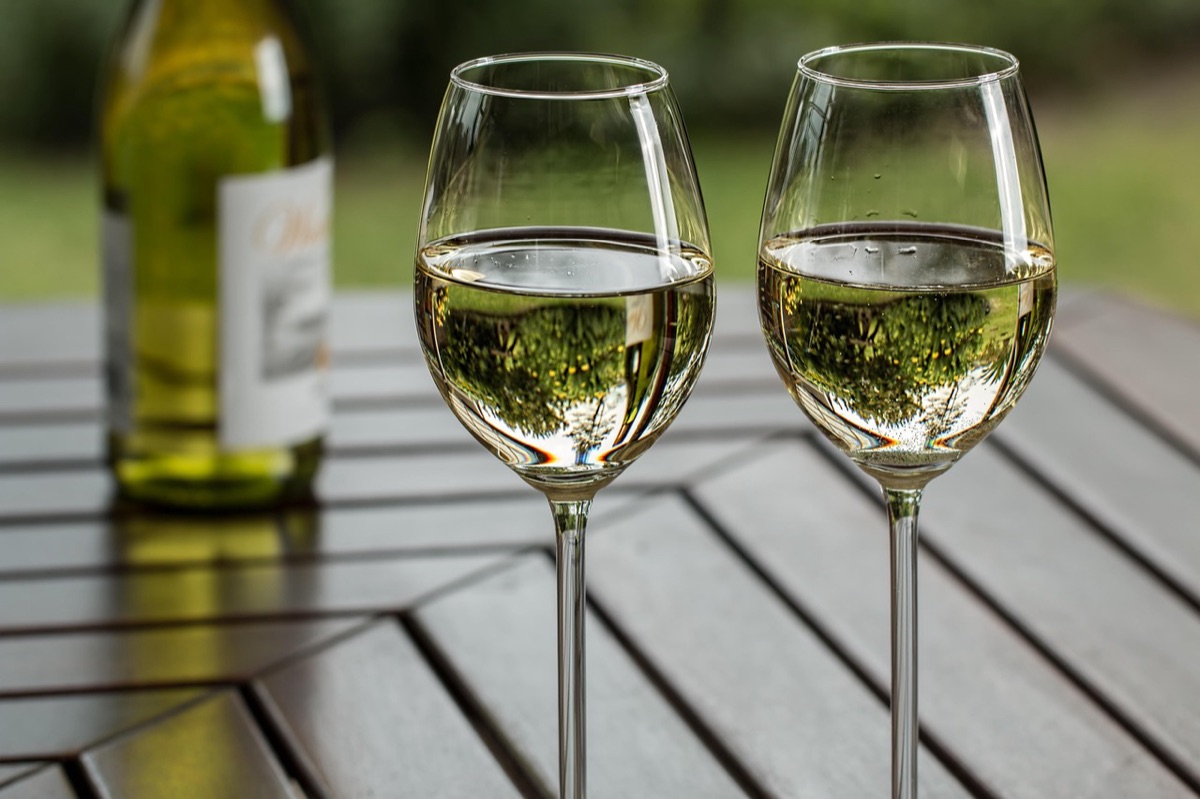
Pairing Perfection: Enhancing Aroma and Taste Profiles
A plate of salty, cured meats is placed in front of me on the kitchen island. The aroma of fat and spice mingles with the scent of the wine in my glass. I realize the food isn't just a snack; it is an active participant in the flavor.
Food pairing is the art of using ingredients to highlight or balance the spirit's profile. A common strategy is matching intensity. For example, heavy, fatty foods like steak require a bolder, higher-proof spirit to cut through the richness.
If the food is too heavy for a light wine, the wine will taste watery and weak.
You can also use contrast to create balance. A salty snack can make a sweet dessert wine taste even more luscious, while an acidic food can brighten a heavy, tannic red wine.
* Match Body: Pair heavy foods (meat, cheese) with heavy spirits (whisky, stout). * Balance Fat: Use high acidity or high alcohol to "cleanse" the palate of fats. * Contrast Sweetness: Use salty or savory foods to highlight the sweetness in a liqueur or dessert wine. * Complement Aromatics: Match floral wines with light, aromatic appetizers.
However, there are certain variables that can throw your entire palate off balance.
Limitations and Considerations
It is important to note that sensory perception is highly subjective. Your personal biology, including the number of taste buds you possess or your sensitivity to certain scents, will change how you experience a drink.
According to a 2024 report from the World Health Organization, the harmful consequences of alcohol use result in 2.6 million deaths annually.
A 2019 survey by the American Institute for Cancer Research showed that only 45% of Americans were aware of the associated risk of cancer due to alcohol consumption.
Furthermore, temperature plays a massive role; a spirit served too cold may suppress its aroma, while a drink served too warm may be overwhelmed by alcohol heat. If you are tasting at 15 degrees Celsius versus 25 degrees Celsius, the profile will be unrecognizable.
Always remember that while exploring flavors is an art, moderation is essential. Excessive consumption can dull your senses, making it difficult to perceive the nuances you are working so hard to learn.

Comments 0