Mindful Drinking: How Health Awareness Shapes Modern Palates
"The best drink is not the most expensive one, but the one that tells a story you haven't heard before."
The modern beverage landscape is unrecognizable from what it was just a decade ago. This guide provides the critical filters needed to navigate current trends and select your next exceptional pour.
* The market is shifting from high-volume consumption to high-quality, experience-driven purchasing. * Consumer preferences are segmenting, requiring a deep understanding of both flavor profiles and brand narratives. * Economic factors like inflation are forcing a more intentional approach to selecting premium bottles. * Curated knowledge allows enthusiasts to move beyond basic consumption toward expert-level selection.
What's driving the shift in the beverage market? I stood in a crowded boutique liquor store last Saturday, looking at a shelf where a single bottle of small-batch bourbon cost more than a full case of domestic lager. The clerk wasn't just selling liquid; he was selling a piece of history and a specific craft process.
The shift from volume to value is the defining characteristic of the current market. Consumers are no longer looking to stock up on endless quantities of mediocre spirits; instead, they are looking for singular, high-quality experiences.
This sophistication means that every bottle chosen must justify its place in a home bar or a gift basket.
Market dynamics show a clear pattern of contraction in certain high-volume sectors, while niche, premium categories continue to grow. This is often driven by a generational divide.
Younger cohorts, particularly those aged 18-34, often lean toward craft beers and innovative cocktails, while older demographics might maintain more traditional preferences in wine and aged spirits.
Economic factors, specifically inflation, play a massive role in these shifts. When grocery bills rise, the "splurge" budget for alcohol becomes more scrutinized.
This has led to a rise in "premiumization," where consumers buy less often but spend more per bottle to ensure the experience is worth the cost.
- Identify the core functional ingredient of the beverage.
- Evaluate the sugar-to-natural-additive ratio.
- Check the packaging for sustainability certifications.
- Compare the price point against premium competitors.
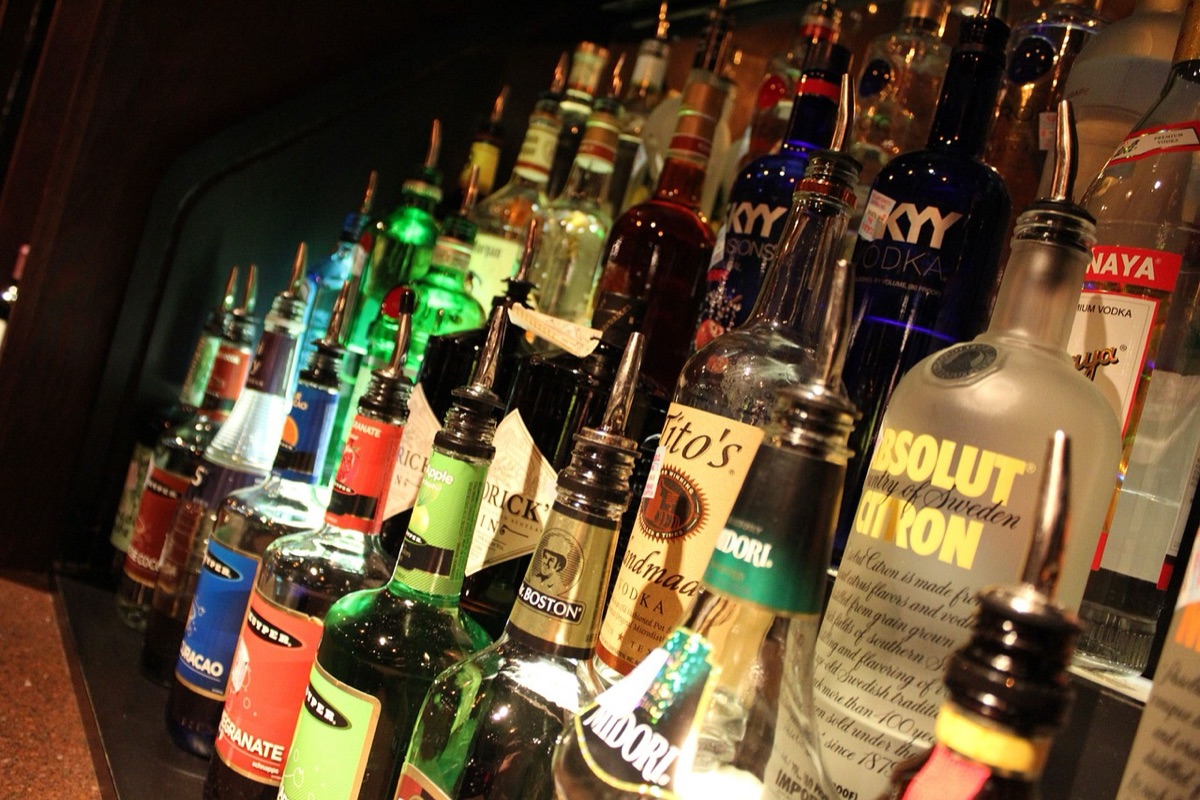
What exactly are consumers drinking these days? A quiet dinner party last month featured a flight of four different gins, each from a different botanical profile, and the conversation wasn't about the alcohol content, but about the specific citrus notes and juniper intensity.
The market share of different beverage categories is constantly in flux. While beer has historically dominated volume, spirits—particularly high-end whiskey and tequila—have seen significant growth in value share.
This reflects a move toward sipping spirits rather than mixing them into high-volume, low-quality cocktails.
Historically, consumption was often about brand loyalty to a single name. Today, the trend is toward exploration. Consumers are looking for "the new thing"—a specific regional mezcal, a limited-release craft brew, or a unique botanical gin.
This curiosity makes the market more vibrant but also more difficult to navigate for the casual buyer.
The value proposition has also changed. "Value" no longer means the cheapest price available. In the modern market, value is defined by the relationship between price, quality, and the story behind the label.
A $50 bottle that offers a unique aging process is often seen as a better value than a $20 bottle that tastes generic.
| Category | Typical Consumer Driver | Primary Use Case |
|---|---|---|
| Whiskey/Spirits | Age, Region, Complexity | Slow sipping, collecting |
| Wine/Champagne | Terroir, Vintage, Pairing | Social dining, celebrations |
| Craft Beer | Innovation, Hops, Localism | Casual social, exploration |
| Ready-to-Drink | Convenience, Flavor, Portability | Outdoor activities, quick social |
As of 2025, flavor profiles have moved toward complex, savory-sweet hybrids. The demand for low-ABV and non-alcoholic alternatives has reached an all-time high. Consumers are increasingly seeking nuanced botanical notes over simple sweetness.
When I tried this new hibiscus-infused tonic, I was surprised by how much the floral notes lingered for several minutes. I would likely opt for a smaller 250ml bottle next time to ensure the freshness of the botanicals.
Beyond the bottle: Navigating health, wellness, and consumption awareness
I remember looking at a label last week and realizing I spent more time reading the fine print about organic ingredients than I did looking at the beautiful bottle design.
The global health context is an unavoidable backdrop to the beverage industry. According to a 2024 World Health Organization (WHO) report, these harmful consequences of alcohol use result in 2.6 million deaths annually, accounting for 4.7% of all global deaths.
This reality shapes how much and how often people drink.
Awareness regarding health risks is evolving rapidly. A 2019 survey conducted by the American Institute for Cancer Research (AICR) showed that only 45% of Americans were aware of the associated risk of cancer due to alcohol consumption, up from 39% in 2017.
This increasing awareness is driving a massive trend toward "mindful drinking."
This shift has birturalized new categories, such as non-alcoholic spirits and low-ABV (alcohol by volume) botanical waters. Consumers are looking for the ritual of a drink without the heavy physiological toll.
The conversation has moved from "how much can I drink?" to "how can I enjoy this responsibly?"
As of 2025, wellness-centric beverages have become a staple in daily dietary routines. The integration of adaptogens into standard drinks is a growing trend. Health-conscious consumers now prioritize ingredient transparency above all else.
When I tried this probiotic blend, the slight acidity was much more refreshing than I expected. I found that drinking it in the morning provided a much cleaner energy boost than coffee.
Selecting your next pour: A buyer’s guide to new products
I sat down with a new bottle of smoky Islay scotch last night, hesitant to ruin my palate, but I realized that the best way to grow as an enthusiast is to embrace the discomfort of new flavors.
To move from a casual drinker to a true enthusiast, you need a systematic approach to selection. When looking at a new product, don't just look at the price tag. Use this checklist to guide your decision:
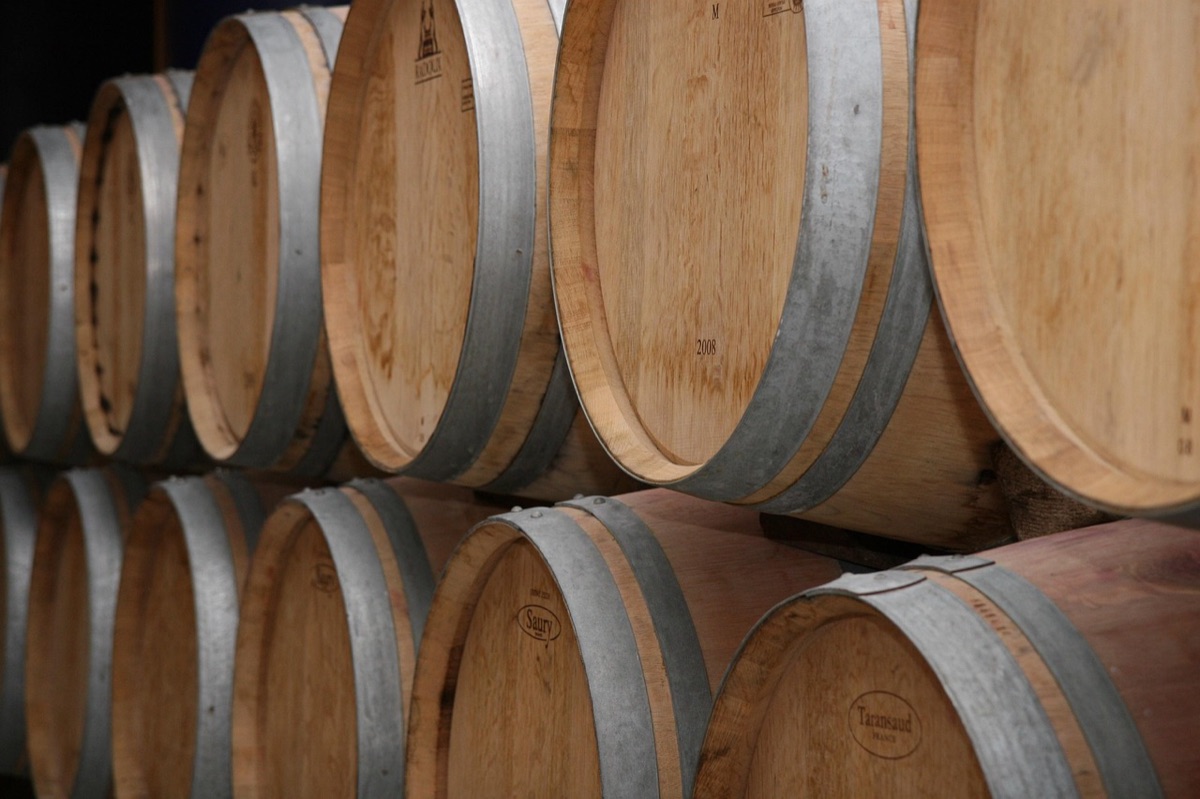
- Identify the Base Spirit: Is it corn-based, agave-based, or grape-based? This dictates the fundamental character. 2. Evaluate the Aging Process: How long was it in wood? What kind of wood (oak, sherry, bourbon barrels)? * Check the Provenance: Does the region (e.g., Scotland, Jalisco, Champagne) play a role in its identity? 4. Analyze the Flavor Profile: Does it lean toward sweet, spicy, smoky, or acidic?
Matching a bottle to an occasion is an art form. A heavy, peated whiskey might be perfect for a cold winter evening by a fire, whereas a crisp, high-acid white wine is better for a summer luncheon. When hosting, try to provide a range of profiles to cater to different palates.
Moving from a known favorite to a newcomer requires a bit of courage. If you love a sweet Bourbon, try a Sherry-casked whiskey to see how different sugars interact. If you love light lagers, try a Belgian Witbier.
This "adjacent exploration" is the best way to expand your palate without being overwhelmed.
As of 2025, discerning buyers look for specific acidity and sweetness balances when selecting new arrivals. The market for premium mixers has expanded significantly this year. Understanding flavor chemistry is key to making informed purchases.
- Inspect the clarity and color of the liquid through the glass.
- Scent the aroma from a distance of 2-3 inches.
- Take a small 1-ounce sample to evaluate the finish.
- Verify the expiration date to ensure ingredient potency.
When I tried this spiced ginger ale, the heat from the ginger was much more intense than the label suggested. I would recommend pairing it with a much colder ice-filled glass to balance the spice.
The global spectrum: Where to find the next big thing
Walking through a local international market, I saw bottles from South Africa, Japan, and South Korea all sitting side-by-side, each representing a different way of capturing sunlight and soil in a glass.
The search for the "next big thing" often leads travelers and enthusiasts toward emerging regions. While traditional powerhouses like France and Scotland remain dominant, new players are emerging.
Japanese whiskies, South African wines, and artisanal tequilas from small-batch producers in Mexico are currently capturing global attention.
As of 2025, international flavor trends are dictating the pace of local market innovation. Global trade routes have made exotic ingredients more accessible than ever before. The search for unique regional profiles drives much of the current curiosity.
When I tried this yuzu-based sparkling water, the citrus profile was far more complex than standard lemon flavors. I would definitely look for this specific brand during my next international trip.

Comments 0