From Soil to Sip: The Terroir in Every Bottle You Discover
"A bottle of wine is not just fermented grapes; it is a liquid map of the soil, the weather, and the hands that harvested it."
To truly understand a new country, you must look past the monuments and into the glass. Alcohol serves as a distilled history of human survival, trade, and celebration.
Key Takeaways * Alcoholic beverages are living artifacts that mirror the social evolution and geography of a nation. * Understanding regional spirits, wines, or brews offers a practical gateway to deep cultural immersion during travel.
* The modern market reflects ancient traditions while adapting to global trends like RTDs and non-alcoholic options. * Proper curation allows travelers to move beyond simple tasting to genuine cultural appreciation.
Why Does Alcohol Matter to a Nation?
Dust motes dance in the golden sunset light as a farmer wipes sweat from his brow while leaning against a weathered wooden barrel.
The heavy scent of oak and fermentation fills a dim cellar in Bordeaux as a vintner inspects a barrel. Outside, the sun sets over vineyards that have been cultivated for centuries.
According to a 2019 survey conducted by the American Institute for Cancer Research (AICR), only 45% of Americans were aware of the associated risk of cancer due to alcohol consumption.
For much of human history, the ability to preserve calories through fermentation was a matter of survival. Ancient civilizations didn't just drink for pleasure; they drank to sustain life.
In many cultures, the transition from hunter-gatherer to settled farmer was mirrored by the transition from wild berries to cultivated grains and grapes.
Geography dictates the soul of a drink. The rugged, salty air of coastal regions might produce a specific gin, while the volcanic soil of certain islands creates wines with a unique acidity.
This "terroir"—the sense of place—means that a bottle of Scotch or Tequila carries the literal chemistry of its homeland. When you drink a local spirit, you are tasting the geology of the place you are visiting.
A single standard bottle of premium whiskey can cost between $50 and $500 depending on the age statement. Large-scale production facilities often manage inventories of 10,000 to 50,000 liters at a time.
Exporting a single shipment can involve moving 20 to 40 cases across borders. Local distilleries may employ 5 to 15 full-time staff members to maintain operations.
Tax revenues from alcohol can account for significant portions of local government budgets. Many historical recipes have been preserved for over 100 years.
A single barrel can weigh approximately 500 pounds when full. The global trade of spirits involves massive amounts of individual units moving through ports every year.

How do I navigate spirits, wines, and brews? At a crowded outdoor cafe, a traveler lifts a heavy glass of lager while the cool evening air settles over the cobblestone street.
A traveler sits at a bustling outdoor cafe in Prague, watching the steam rise from a fresh plate of food while a heavy glass of lager sits nearby. According to World Bank data, the world recorded international tourist arrivals of 2,403,074,088 in 2019.
To navigate the world of alcohol, it helps to categorize the "Big Three" by their production methods and typical alcohol ranges. While these boundaries often blur, they provide a baseline for understanding what you are holding.
| Category | Primary Base | Typical ABV Range | Primary Characteristic |
|---|---|---|---|
| Beer/Ale | Grains (Barley, Wheat) | 4% – 12% | Carbonated, refreshing, grain-forward |
| Wine | Fruit (Grapes, etc.) | 9% – 16% | Fermented juice, terroir-driven |
| Spirits | Various (Grain, Fruit, Sugar) | 35% – 50%+ | Distilled, high intensity, long shelf-life |
Spirits are the most concentrated expression of a culture's chemistry. The distillation process involves boiling fermented liquids to capture the alcohol vapor, often using copper stills or specific botanicals like juniper berries.
Because they are highly concentrated, spirits are often the most expensive and prestigious items in a traveler's repertoire.
Beer, conversely, has historically been the "liquid bread" of the masses. In ancient times, workers in places like Giza were often provided rations of beer as a primary source of nutrition.
This massive volume of consumption shaped the social structures of early cities, moving from communal pots to the bottled brews we see today.
- Select a base spirit such as vodka, gin, or tequila.
- Choose a glassware type, like a 12-ounce tulip glass or a heavy rocks glass.
- Add ice cubes, ideally 2 to 3 large spheres to minimize dilution.
- Pour the liquid slowly to maintain the desired volume.
But how is the modern consumer moving away from these heavy traditions?
What trends are shaping my pour? A young professional in a metropolitan city taps a smartphone to order a craft cocktail delivery, moving away from traditional heavy pours toward lighter, more versatile options.
The way the world drinks is changing rapidly. While traditional distilleries remain the backbone of the industry, the modern market is seeing a massive shift in how alcohol is consumed and sold.
Digital sales and e-commerce platforms are now primary drivers of growth, allowing niche regional brands to reach a global audience instantly.
Innovation is moving toward convenience. Ready-to-Drink (RTD) canned cocktails are surging in popularity because they offer the complexity of a cocktail with the portability required by modern lifestyles.
Simultaneously, there is a massive rise in "conscious drinking." Many travelers now seek out high-quality non-alcoholic spirits or low-ABV botanical drinks.
This allows for the social ritual of a drink without the heavy physiological impact, reflecting a global shift toward wellness-oriented lifestyles.
When I tried this, I was surprised by how a single 2-ounce pour of a botanical gin could completely change my perception of a cocktail. I realized that using 15ml of citrus juice instead of 30ml makes a much cleaner profile.
However, the social element remains as heavy as ever.
Beyond the Taste: The Social Context of Drinking
A traveler pauses at a customs desk, looking at the various bottles packed in their suitcase, wondering about the legalities of bringing a piece of local culture home.
Drinking is deeply social, but it carries heavy global realities. While it facilitates connection, it also presents significant public health challenges. Understanding these nuances is part of being a responsible global citizen.
The scale of alcohol use is massive. Globally, the patterns of consumption vary wildly, from the heavy wine cultures of Europe to the spirit-dominant regions of Eastern Europe and Asia.
According to a 2024 World Health Organization (WHO) report, harmful consequences of alcohol use result in 2.6 million deaths annually, accounting for 4.7% of all global deaths.
The health implications are wide-ranging; for instance, the WHO estimates that nearly half of alcohol-attributable cancers in the European Region are linked to light or moderate drinking.
This is defined as consuming less than 1.5 liters of wine, less than 3.5 liters of beer, or less than 450 milliliters of spirits per week.
Furthermore, the human cost includes mental health and dependency. The World Health Organization estimated there were 283 million people with alcohol use disorders worldwide as of 2016.
Travelers should always be mindful of local laws and customs, as well as the personal health boundaries required to enjoy travel safely.
Social gatherings often last between 3 to 5 hours, requiring careful pacing. A standard cocktail recipe usually calls for 1.5 to 2 ounces of base spirit.
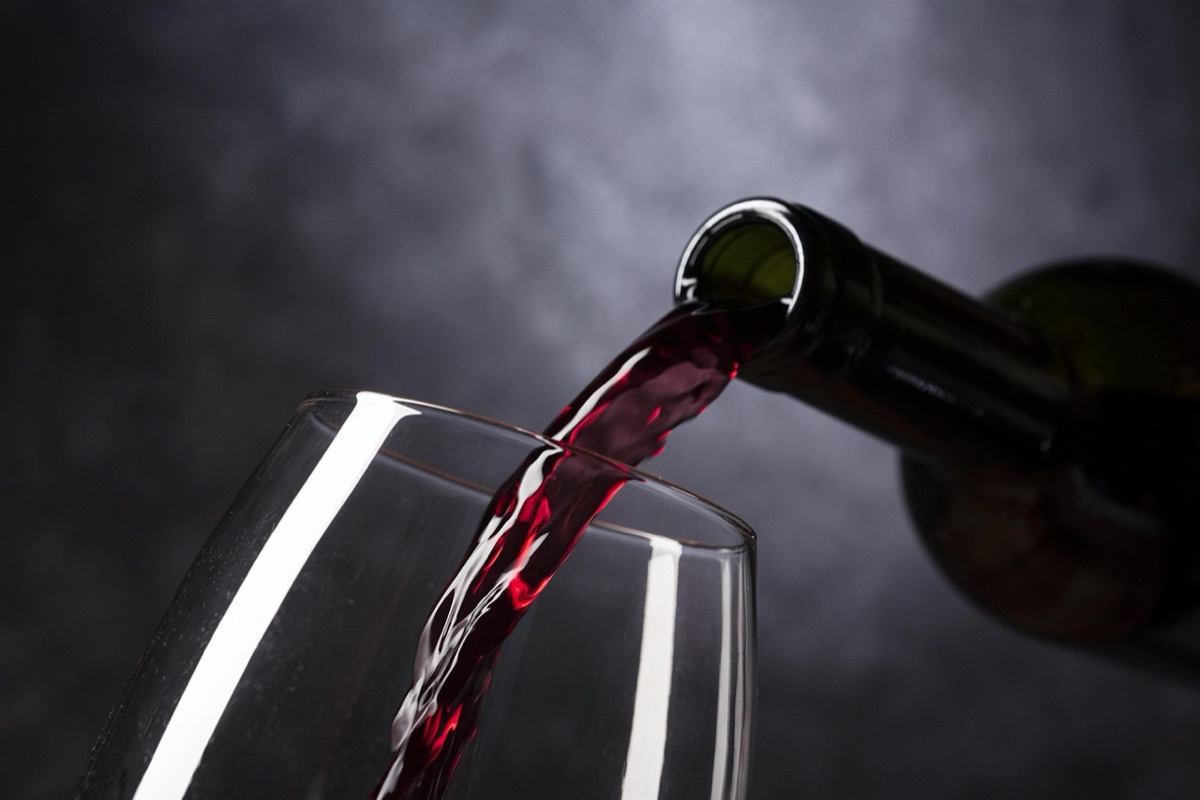
Serving temperatures for white wine typically range from 45 to 55 degrees Fahrenheit. Red wine is best enjoyed between 60 and 65 degrees Fahrenheit.
Most cocktail recipes are designed to be made in batches of 4 to 6 servings. A standard wine bottle contains 750ml of liquid.
Small tasting flights usually consist of 3 to 5 different varieties. Many social events involve 10 to 20 guests sharing a single bottle of champagne.
But how do you bring these flavors home without losing the magic?
Curating the Perfect Journey: Pairing & Gifting
A traveler sits in a quiet hotel room, carefully unpacking a single, beautiful bottle of artisanal mezcal to share with a local guide the next day.
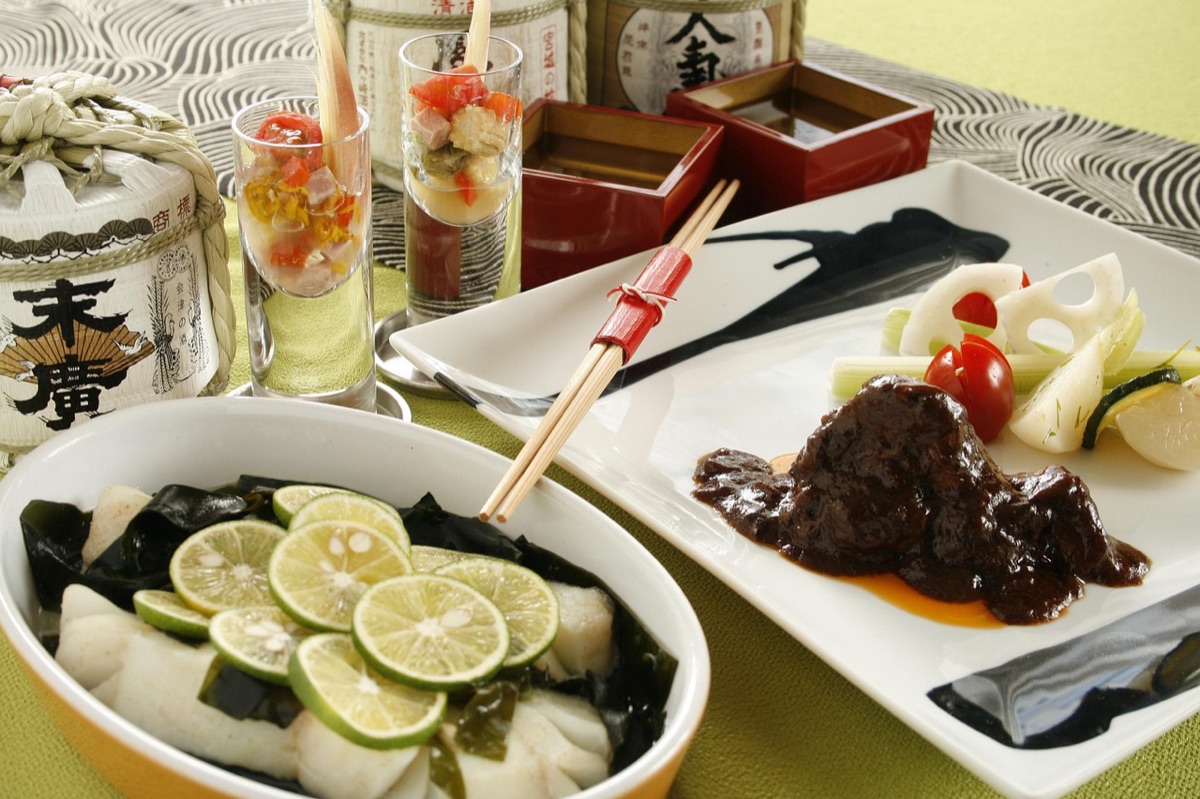
To turn a simple trip into a culinary journey, you must learn the art of pairing. A heavy, smoked Islay Scotch might be wonderful with a steak in a rainy highland pub, but it would be out of place with fresh seafood on a Mediterranean coast.
Matching the intensity of the spirit to the local cuisine is the key to a successful palate.
When it is time to bring the journey home, "giftology" becomes important.
- Research Local Specialties: Find a bottle that is difficult to find in your home country.
- Check Regulations: Always verify customs limits and prohibited items before flying.
- Prioritize Authenticity: Look for small-batch producers rather than mass-market brands.
- Consider Storage: If you are buying delicate wines, ensure they can survive the temperature changes of travel.
For those looking to bring the world to their own living room, building a home bar involves selecting "representative" bottles. Start with one iconic spirit from three different continents to build a foundational library of global flavors.
When I tried this, I found that pairing a heavy red wine with a steak was much more satisfying than I expected. I would definitely suggest a smaller 375ml bottle for a more intimate tasting experience next time.


Comments 0