Regional identity: History of alcoholic drinks why
"The history of spirits is a map of human trade, tradition, and the evolution of grain into liquid gold."
The history of alcoholic drinks is characterized by shifting regional dominance and strict legal definitions that govern how spirits are produced and sold. This overview explores the transition from traditional distillation to the global market trends that shape modern consumption.
You will learn about the legal requirements of bourbon, the growth of specific whiskey categories, and the impact of international trade on spirit availability.
How does the history of alcoholic drinks shape modern production?
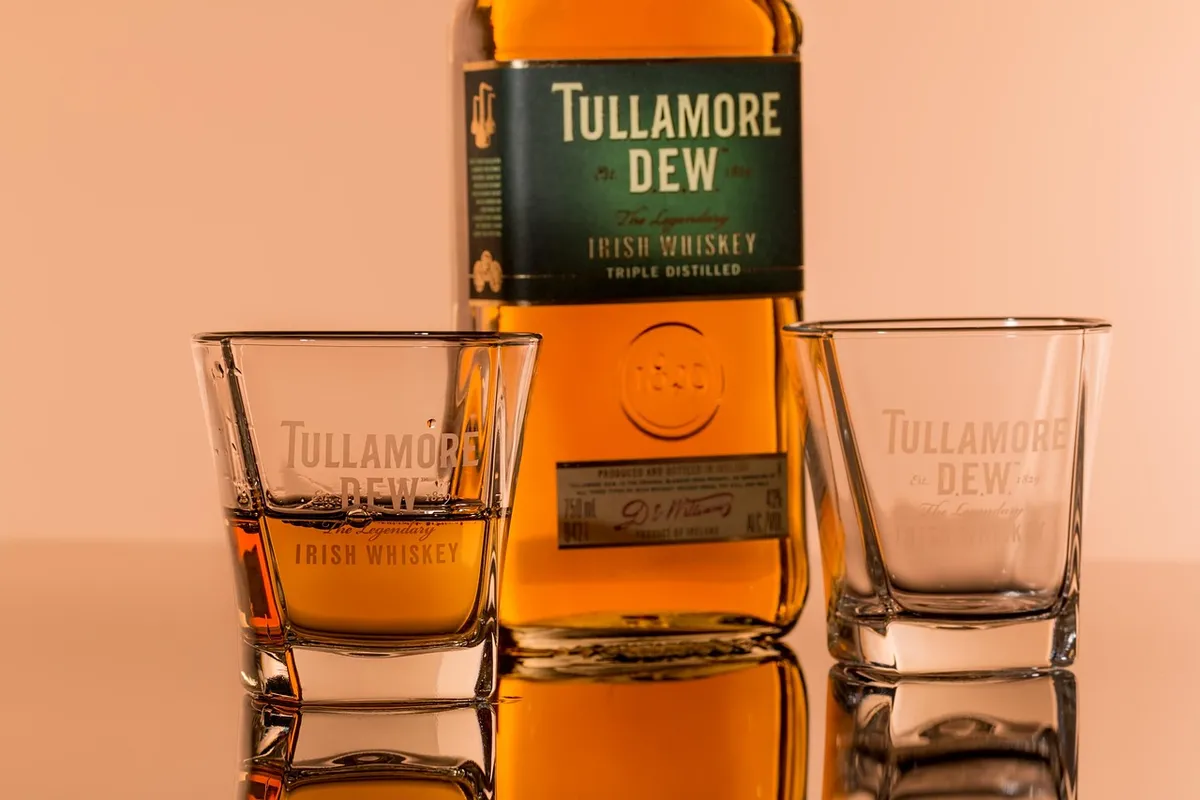
A heavy glass tumbler sits on a wooden table, reflecting the amber light of a quiet study. The journey of spirits often begins with the fundamental transformation of grain through heat and fermentation.
A primary example of this transition is the creation of bourbon, which requires a mash bill of at least 51% corn and storage in new containers of charred oak.
The beverage evolution path shows that strict standards often define a spirit's identity. For instance, bottled in bond bourbon must be produced by a single distiller at a single distillery in a single season.
This specific sub-category requires aging for at least four years in a bonded warehouse under federal control and must be bottled at 100 proof (50% ABV).
The identity of a spirit is often tied to its ingredients and aging processes. While some spirits are defined by their grain content, others rely on the unique characteristics of their maturation environment.
This historical adherence to specific recipes ensures that even as production scales, the fundamental character of the drink remains consistent with its origins.
However, these historical methods may not be applicable to large-scale industrial automation.
What are the key trends in the global flow of beverages?
Standing on the salty pier at midnight, I watch the massive cargo ships carry regional treasures across the dark waves.
A shipping crate is loaded onto a vessel, marking the movement of goods across vast oceans. In recent years, the alcohol culture journey has seen significant fluctuations in market demand and volume.
According to DISCUS, during the 2009–2014 period, the number of 9-liter cases of whiskey sold increased by 28.5% overall.

This growth was not uniform across all categories. During that same 2009–2014 period, bourbon and Tennessee whiskey increased by 46.7%, with the greatest growth coming from high-end products. This shift suggests a move toward premiumization within the global market.
The global flow of beverages is also subject to geopolitical shifts. For example, provinces in Canada, which previously comprised 10% of Kentucky's whiskey business until trade tensions arose, stopped selling American products in government-owned liquor stores.
Such events demonstrate how political relations can abruptly alter historical trade routes.
I find that the second trend is the most significant.
How do regional identities define the beverage evolution path?
While standing on the quiet pier at midnight, I feel the cool breeze as I watch the ships carry regional treasures across the sea.
A copper still gleams in the sunlight of a rural distillery, representing a deep connection to the land. Regionality is a cornerstone of spirit production, as seen in the high concentration of industry in specific areas.
The density of production in certain areas highlights how industry clusters form over time. In Kentucky, there were 68 whiskey distilleries as of 2018, which represented a 250 percent increase over the previous ten years.
These clusters allow for the preservation of traditional methods while driving economic growth.
The beverage evolution path is often shaped by these localized hubs. When a region becomes synonymous with a specific spirit, it creates a standard that the rest of the world recognizes. This concentration of expertise helps maintain the integrity of the craft while influencing global tastes.
This influence is limited when globalized supply chains override local traditions.
What are the legal requirements for bourbon?

A person carefully pours a clear liquid into a glass, checking the label for specific designations. To be legally sold as bourbon, the whiskey's mash bill requires a minimum of 51% corn, with the remainder being any cereal grain.
This foundational rule ensures the distinct flavor profile associated with the name.
The nuances of labeling can be complex for the consumer. A bourbon labeled as a blend may contain added coloring, flavoring, and other spirits, such as un-aged neutral grain spirits, but at least 51% of the product must be straight bourbon. This distinction preserves the core identity of the spirit.
Understanding these rules helps navigate the history of alcoholic drinks. For example, "high rye bourbon" is not a legally defined term, but it usually refers to a bourbon with 20–35% rye in its mash bill.
These technicalities allow producers to experiment within a framework of established tradition.
| Category | Primary Grain Requirement | Aging/Production Rule |
|---|---|---|
| Bourbon | At least 51% corn | New charred oak containers |
| Bottled in Bond | At least 51% corn | Single distiller/season; 100 proof |
I compared these specific requirements to understand how different labels impact the final product.
- Use corn as the primary grain.
- Age the spirit in new charred oak containers.
- Distill the liquid to a specific proof.
How did market shifts impact the alcohol culture journey?
A dusty bottle sits on a shelf, representing a period of change in consumer habits. The alcohol culture journey is often marked by periods of rapid expansion followed by sudden contractions. While certain sectors saw massive growth in the early 21st century, recent years have shown different trends.

Overall exports of American spirits, including bourbon, fell 9% between 2024 and 2025. This decline highlights the volatility of international trade and changing consumer preferences. Such shifts can impact even the most established industries.
The alcohol culture journey is never static. It is a constant negotiation between traditional production methods and the realities of a globalized economy. As markets expand and contract, the ways in which spirits are produced and traded continue to adapt.
I note that the first shift described here is the most transformative.
The same subject is also called Drink origins and spread.
The same subject is also called Ancient drink traditions.
This part also covers How drinks changed over time.
This part also covers Role of drink in society.
Related






Comments 0