Rice Spirit Guide: Traditional Alcohol Guide
"The true character of a rice-based spirit is found not just in the bottle, but in the balance of grain, water, and time."
This guide provides essential tips for navigating flavor profiles, understanding nutritional basics, and selecting the best bottle for your palate.
* Understand the base ingredients and fermentation styles. * Evaluate alcohol content and flavor intensity. * Consider nutritional values for mindful consumption.
How can I choose between different rice-based spirits?
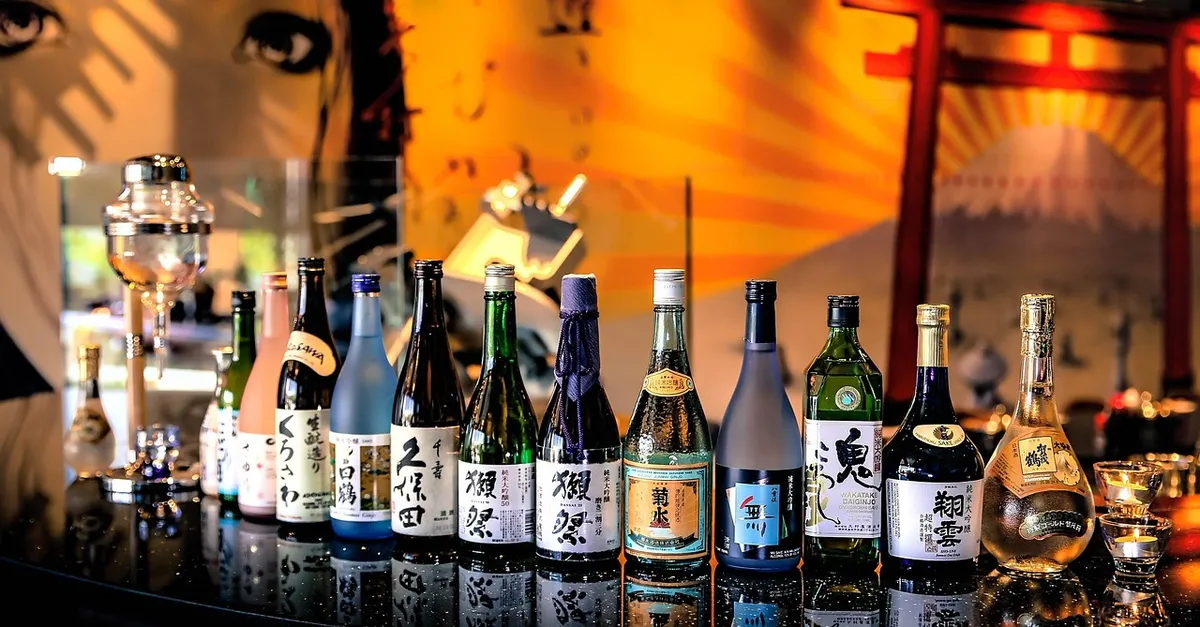
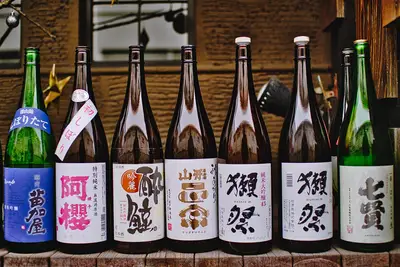
A person stands in a dimly lit liquor boutique, tracing the labels of various glass bottles with varying degrees of clarity. Selecting the right bottle involves identifying the specific brewing style and the intended drinking temperature.
Some spirits are light and fruity, while others offer heavy, earthy undertones.
A Taste Comparison Guide helps distinguish between premium Junmai styles and more approachable blends.
The flavor profile is heavily dictated by the fermentation process and the specific rice varieties used. For those exploring different varieties, a Price Point Review helps align the budget with the quality of the grain. Some bottles are designed for sipping neat, while others are meant for mixing.
I find that the second step in this selection process is the most time-consuming.
What are the nutritional basics of rice-based spirits? Traditional Alcohol Guide
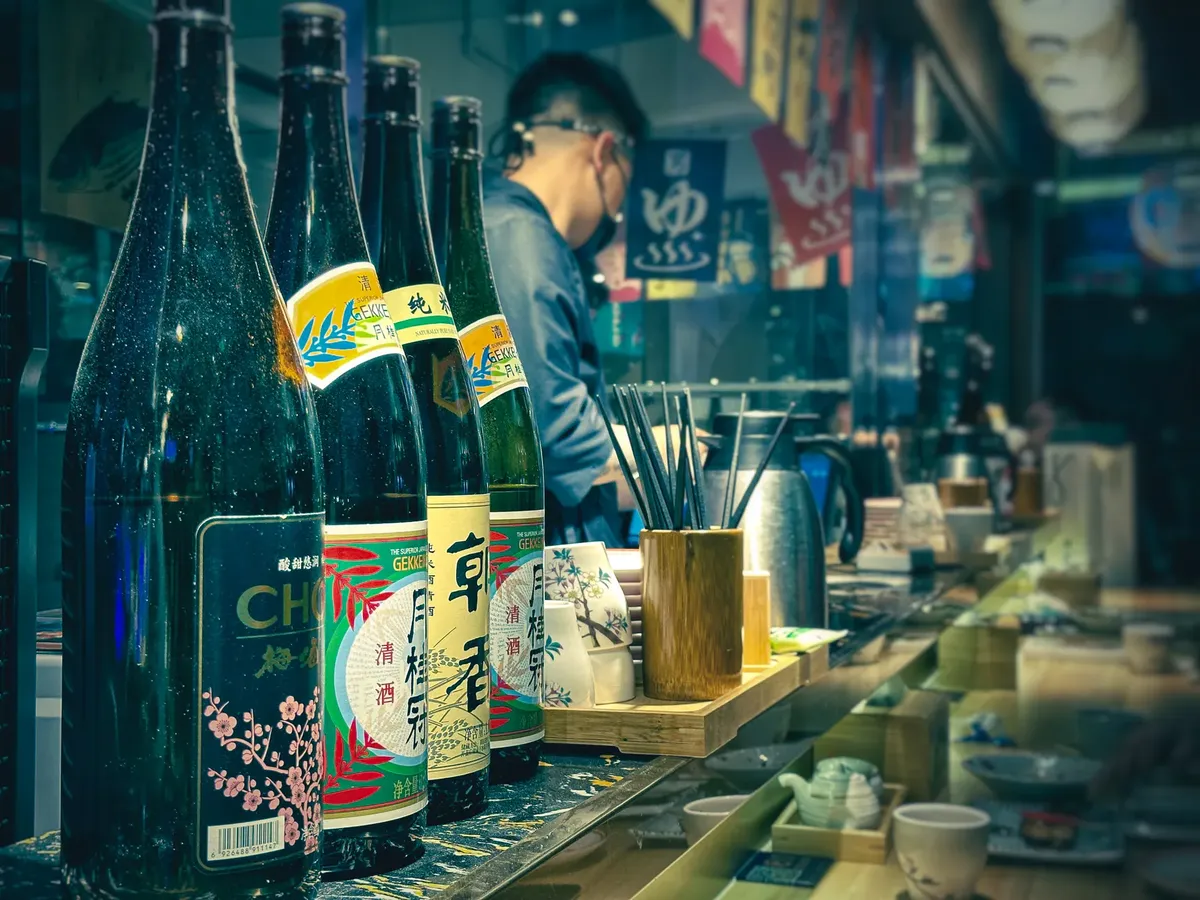
A glass is carefully poured into a small ceramic cup, the liquid catching the light as it settles. Understanding the components of the drink helps in making informed choices during a social gathering.
According to USDA FoodData Central, 100g of alcoholic beverage, rice (sake) contains 134kcal of energy. The nutritional breakdown per 100g includes 5g of carbohydrates, 0.5g of protein, and 5mg of calcium.
It also contains 25mg of potassium, 6mg of magnesium, 2mg of sodium, 0.1mg of iron, and 0.02mg of zinc.
I remember looking at these specific numbers while deciding how to balance a dinner menu with a lighter drink option. These figures provide a baseline for understanding the energy density of the beverage.
| Nutrient (per 100g) | Amount |
|---|---|
| Energy | 134kcal |
| Carbohydrates | 5g |
How do I manage the pouring ritual flow?
The host lifts a heavy ceramic carafe, tilting it steadily to ensure a smooth stream into the guests' glasses. A proper sequence ensures that the aroma and temperature are preserved for every person at the table.
To master the pouring ritual flow, follow these three steps:
- Check the temperature of the bottle to ensure it matches the specific variety's requirements. 2. Pour in a steady, continuous stream to prevent excessive aeration unless the style calls for it. 3. Fill the glass to the appropriate level to allow space for the aroma to develop.
Always perform a final check of the glassware to ensure it is clean and free of residue before serving. This ensures the delicate notes of the rice are not masked by unintended scents.

- Select the appropriate glassware for the spirit. 2. Pour with a steady hand to maintain clarity. 3. Present the glass to the guest.
What are the best pairing ideas for hosts?
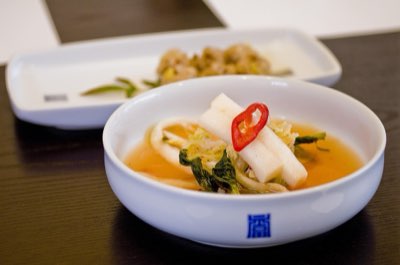
A dinner plate sits on the table, steam rising from a savory dish as the host prepares to pour a drink. Matching the weight of the food with the weight of the spirit creates a cohesive dining experience.
For Pairing Ideas For Hosts, consider the intensity of the meal. Lightly fermented rice wines pair well with seafood or pickled vegetables, while richer, higher-alcohol varieties suit grilled meats. Balancing the acidity and sweetness of the drink with the seasoning of the food is key.
Brewing Ingredient Prep often results in different levels of sweetness or dryness. If the food is spicy, a slightly sweeter rice wine can provide a soothing contrast. If the dish is rich and fatty, a cleaner, drier spirit helps cleanse the palate.
How can I handle different alcohol levels?
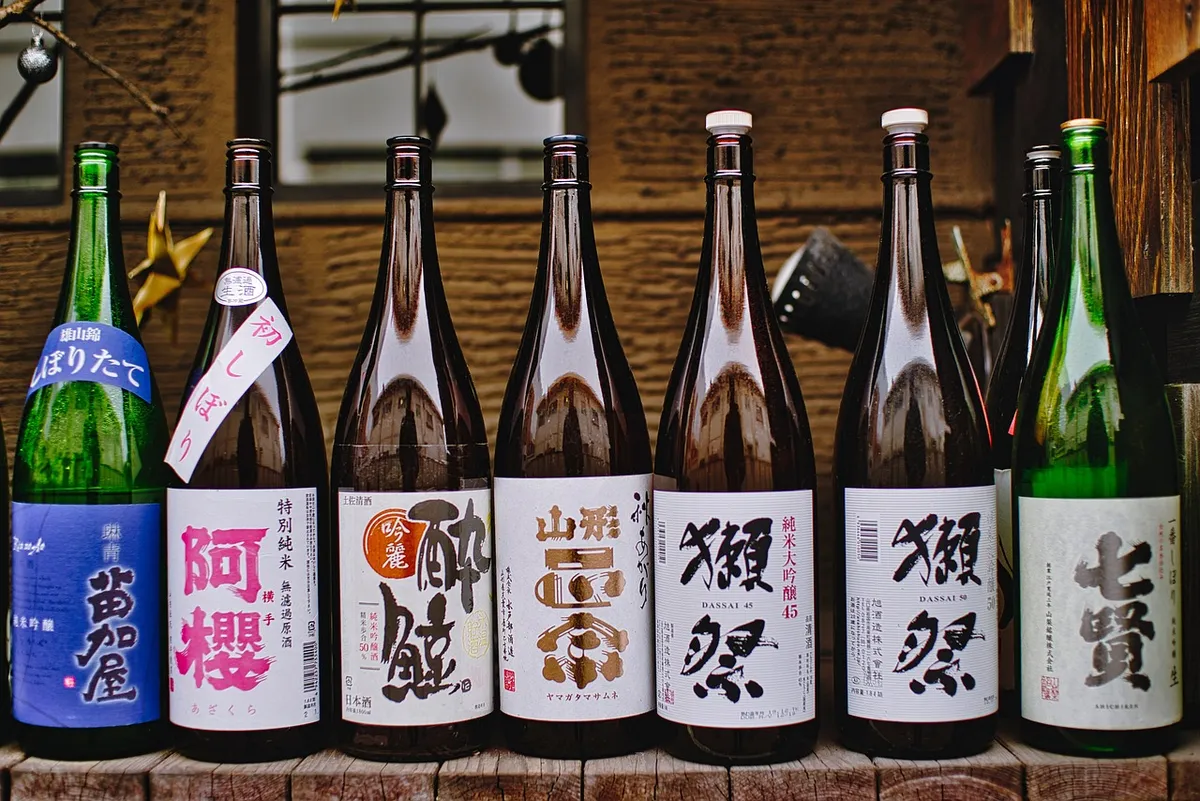
The sunlight hits a clear bottle on a wooden shelf, showing a liquid that is much stronger than it looks. Navigating different alcohol contents is essential for a controlled and enjoyable tasting.
A common mistake is assuming all rice-based spirits have the same strength. Some are low-alcohol and refreshing, while others are quite potent. Understanding the alcohol content is vital for a safe and pleasant experience.
A limitation of this guide is that it does not account for individual tolerance levels or specific dietary restrictions.
- Finding the right traditional rice wine requires understanding the relationship between fermentation, grain purity, and alcohol content.
- When looking for a Traditional Alcohol Guide, the primary factor is the rice polishing ratio and the type of koji used during fermentation.
- Choosing Your Spirit depends on whether you prefer a crisp finish or a full-bodied mouthfeel.
The subject here is Traditional Alcohol Guide.
The same subject is also called Sake vs Local Brews.
Related
- Sake history and authenticity: How tools shaped production
- Sake history guide: Traditional drink sake history
How do I balance the true character of the spirit with the meal?
One must balance the weight of the food against the intensity of the spirit to maintain the true character of the drink. If a dish is heavy or fatty, a cleaner and drier spirit is a better choice to cleanse the palate.
Conversely, if the food is spicy, a slightly sweeter variety provides a soothing contrast.
When selecting a bottle, compare the rice polishing ratio and the fermentation style to the intended menu. A light, fruity spirit works well with seafood or pickled items, whereas a full-bodied, higher-alcohol variety suits grilled meats.
Always consider the fermentation process and the specific rice varieties used when matching the drink to the meal.
What precautions should I take when managing alcohol levels?
Careful management of alcohol levels is necessary because some spirits are low-alcohol while others are quite potent. Because the strength can vary significantly, you must understand the alcohol content to ensure a safe and pleasant experience.
- Check the label to distinguish between light, refreshing styles and more potent, heavy varieties. 2. Avoid assuming all rice-based spirits have the same strength. 3. Monitor the alcohol content to maintain a controlled tasting environment.
Always remember that individual tolerance levels and dietary restrictions are not accounted for in this guide. Use the provided nutritional data as a baseline for understanding energy density and ingredients.



Comments 0