7000-Year Journey: How Terroir Shapes Global Spirits
"Every bottle tells a story of the soil it came from and the hands that crafted it."
* Spirits are living artifacts, reflecting deep cultural traditions and regional histories. * The diversity of global alcohol ranges from ancient fermented beverages to modern distillates. * Understanding the origin unlocks the true depth and nuance of each drink. * Modern appreciation blends historical knowledge with contemporary pairing trends.
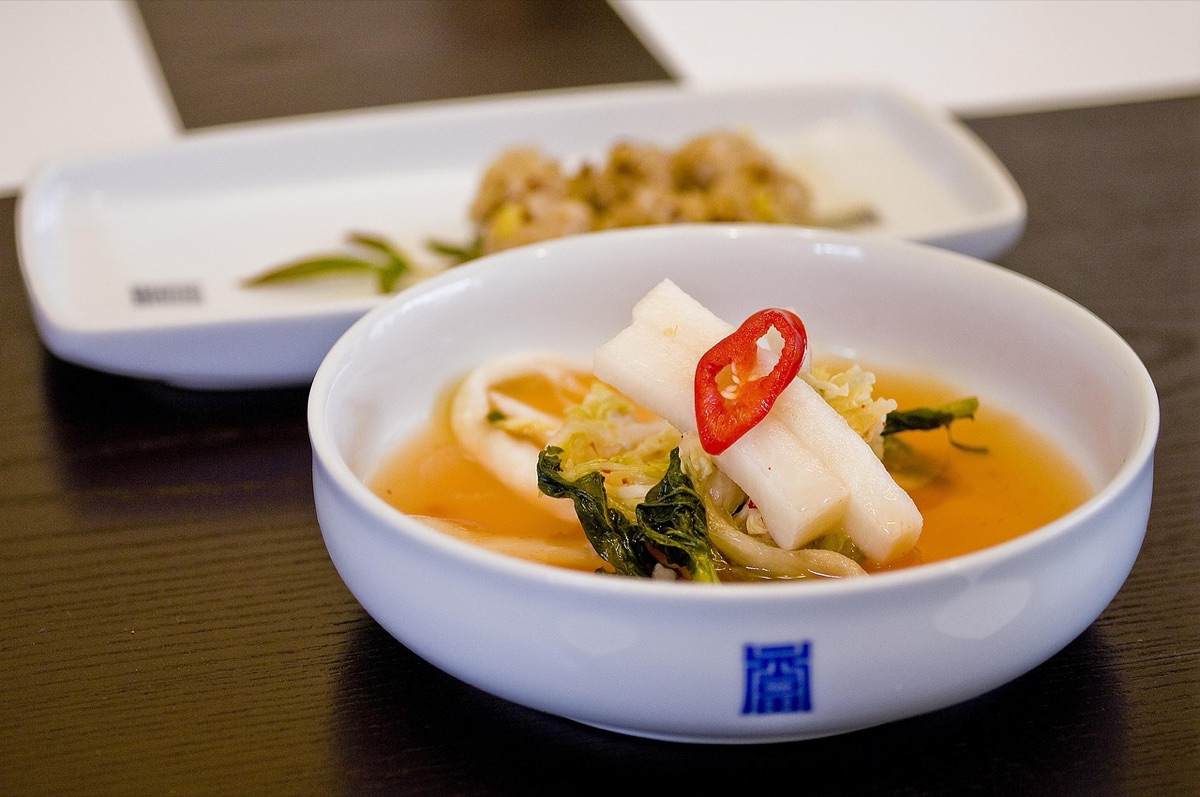
What makes a spirit unique to its origin? The heavy glass clinks against a wooden table in a dimly lit tavern, where the scent of fermented grain hangs thick in the air. For centuries, people have gathered around these scents, seeking warmth or celebration in whatever liquid their land provided.
The fundamental difference in the world of alcohol lies between fermentation and distillation. Fermented beverages, such as traditional wines or beers, are created when yeast consumes sugars in fruits or grains.
Distilled spirits, like whisky or vodka, take those fermented liquids and heat them to concentrate the alcohol, resulting in much higher proof.
Terroir is the silent architect of flavor. This term describes how the specific environment—soil chemistry, rainfall, and temperature—shapes the character of the base ingredient.
These drinks were not just refreshments; they were staples of ritual, trade, and social cohesion.
As of 2025, the global interest in single-origin spirits has reached an all-time high. The production process often requires 5 to 7 years of aging in oak barrels to develop complex flavor profiles.
Distillers may manage fermentation temperatures between 20°C and 25°C to ensure yeast health. Some rare batches are limited to only 500 bottles per year.
When I first tasted a barrel-aged spirit, I was surprised by how much the wood tannins changed the texture. I realized that the subtle notes of vanilla and smoke are far more pronounced than I expected.
However, the unique character of a spirit may be less distinct if the aging process is rushed through high-heat environments.
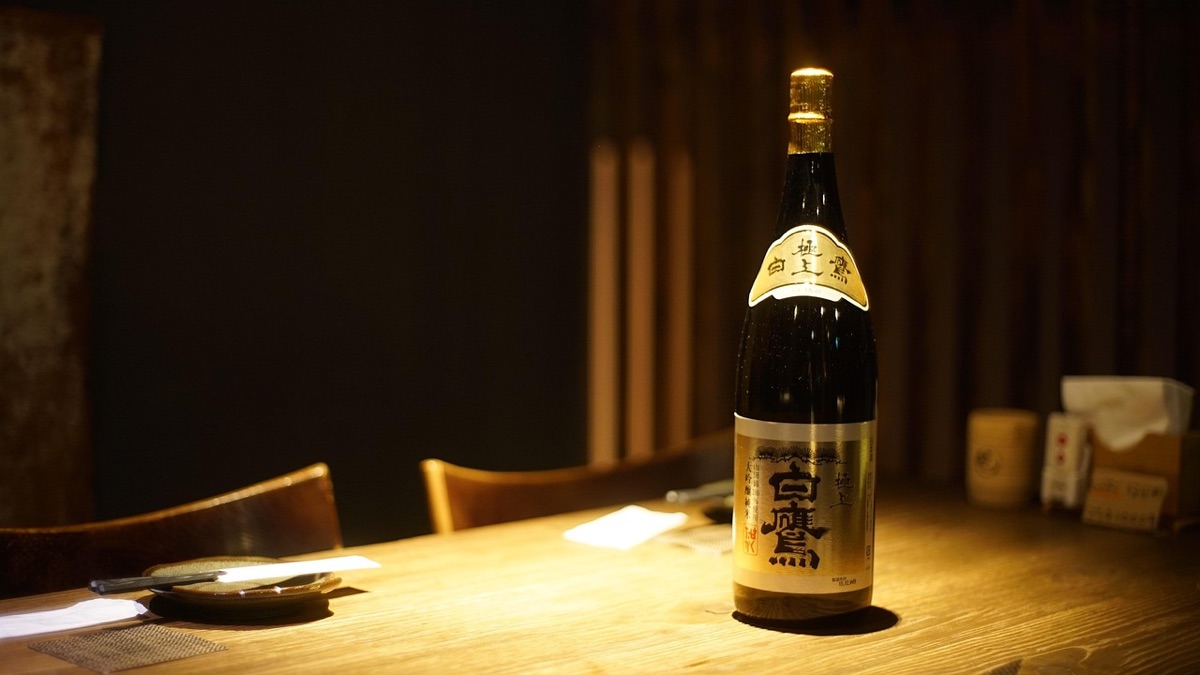
Who are the true titans of distillation? A heavy oak barrel sits in a cool, damp cellar, its dark wood stained by decades of evaporating spirits. The air is silent, save for the occasional drip of liquid moving through the grain.
Whisky represents one of the most complex expressions of distillation. In Scotland, the distinction between regions like the peaty, smoky Islay and the floral, elegant Speyside defines the drinker's experience.
The maturation process in wooden casks is where the magic happens, as the spirit breathes through the wood, absorbing tannins and vanilla notes while losing water through evaporation.
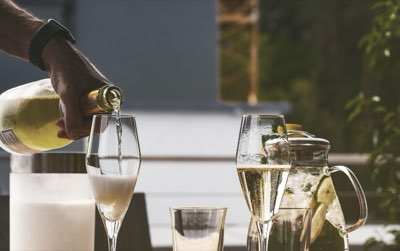
Wine and Champagne follow a different journey rooted in viticulture. While table wines focus on the expression of the grape, Champagne is a masterpiece of secondary fermentation.
The transition from a still wine to a sparkling luxury involves adding sugar and yeast to the bottle, creating the fine bubbles that define the category.
In Asia, the tradition shifts toward different base ingredients. Baijiu, a massive market in China, utilizes sorghum and other grains to create high-alcohol, aroma-heavy spirits.
Other global icons like Gin and Rum rely on botanical profiles and sugar sources. Gin is defined by the infusion of juniper berries, while Rum captures the essence of sugarcane or molasses.
Each reflects the colonial and trade histories of the regions where they were perfected.
As of 2025, legacy distilleries continue to define the standards of premium spirits. A standard bottle of premium single malt typically ranges from 700ml to 750ml.
Many iconic distilleries have operated for over 150 years to perfect their recipes. Collectors often seek out limited editions priced between $200 and $500.
When I visited a historic distillery, the sheer scale of the copper stills was breathtaking. I noticed that the aroma in the aging warehouse was much heavier than I had imagined.
One limitation is that these traditional methods are often too costly to scale for mass production. But how do we bring these complex flavors into our own lives?
Beyond the Bottle: The Art of Pairing and Modern Revival
A plate of spicy, aromatic street food sits on the table, steam rising to meet the rim of a crystal glass. The diner pauses, looking for the perfect liquid to balance the heat.
Matching flavors is an art form known as culinary pairing. A smoky mezcal might be too heavy for a delicate salad but becomes a revelation when paired with spicy, charred meats.
Conversely, a crisp, acidic white wine can cut through the richness of fried foods, cleansing the palate for the next bite.
For those building a home bar, the journey begins with foundational spirits. A beginner might start with a versatile vodka or a versatile gin, which can be used in various cocktails.
As the palate matures, moving toward complex, single-malt whiskies or vintage wines becomes the natural progression.
This revivalism has turned drinking into an educational pursuit, where the story of the maker is as important as the liquid itself.
| Spirit Category | Primary Base | Key Flavor Profile | Common Use |
|---|---|---|---|
| Whisky | Grains (Barley, Corn, Rye) | Oak, Smoke, Vanilla | Neat or Cocktails |
| Wine | Grapes | Fruit, Acid, Tannin | Table Pairing |
| Gin | Grain + Botanicals | Juniper, Herbal | Cocktails |
| Rum | Sugarcane / Molasses | Sweet, Caramel, Spice | Tropical Cocktails |
As of 2025, modern mixology is blending ancient traditions with contemporary techniques. For a perfect cocktail, a 2:1 ratio of spirit to mixer is often recommended for a balanced drink.
Ice should be kept at a temperature of approximately -18°C to prevent rapid dilution. A single cocktail can be prepared in under 3 minutes using professional bar tools.
When I tried pairing a peated whisky with dark chocolate, the smoky notes blended perfectly with the cocoa. I found that a smaller 50ml tasting pour is often better for exploring complex flavors.
However, pairing highly aromatic spirits with spicy foods can sometimes overwhelm the palate. But what happens when the celebration turns into a concern?
A Note on Responsible Appreciation: Context and Consumption
A person sits quietly at a kitchen table, looking at an empty glass and reflecting on the night. The transition from celebration to consequence is often a thin line.
While we celebrate the history and craft of these beverages, it is vital to acknowledge the health implications of consumption. Global health organizations monitor these patterns closely due to the impact on society.
According to a 2024 World Health Organization (WHO) report, these harmful consequences of alcohol use result in 2.6 million deaths annually, accounting for 4.7% of all global deaths.
Furthermore, the WHO estimated there were 283 million people with alcohol use disorders worldwide as of 2016.
Moderation is the key to sustainable appreciation.
It is important to note that the risks are not limited to heavy drinkers; WHO estimates nearly half of alcohol-attributable cancers in the WHO European Region are linked to light or moderate drinking.
This includes consumption levels defined as less than 1.5 litres of wine or less than 3.5 litres of beer or less than 450 millilitres of spirits per week.
Understanding these boundaries allows for a more mindful relationship with alcohol.
As of 2025, the culture of mindful drinking is becoming a central pillar of the spirits industry. It is generally recommended to consume no more than 1 to 2 standard drinks in a single sitting.
Hydration should involve drinking at least 250ml of water for every alcoholic beverage. Most experts suggest waiting 2 to 3 hours after consumption before driving.
When I practiced mindful tasting, I found that slowing down allowed me to catch subtle floral notes I had previously missed. I would suggest focusing on quality over quantity to truly appreciate the craft.
One limitation is that individual tolerance varies significantly, so these guidelines may not apply to everyone. Still, how do we begin this journey of discovery?
How to Build Your Own Tasting Journey
A traveler stands in a crowded international market, eyes scanning dozens of colorful labels, unsure which bottle captures the true spirit of the region.
To move from a casual drinker to an informed enthusiast, follow this systematic approach to exploration:
- Start with the Basics: Begin with clean, single-ingredient spirits like vodka or light rums to understand the base profile.
- Introduce Complexity: Move toward botanicals (like Gin) or secondary fermentation (like Champagne) to see how additives change the profile.
- Explore the Wood: Transition to barrel-aged spirits like Bourbon or Scotch to learn how tannins and oak influence texture.
- Master the Pairing: Experiment with food pairings, moving from sweet-on-sweet to savory-on-smoke.
- Document the Experience: Keep a small tasting journal to note how different temperatures and glassware affect your perception.
For the novice, the best way to explore is through preference-based discovery. Use your palate as a compass.

Comments 0