Beyond Groceries: Coles Liquor as High-Margin Revenue Engine
"Success in retail is no longer just about what you sell, but how you integrate it into the rhythm of daily life."
* Strategic Integration: Coles Liquor acts as a vital vertical within the broader Coles Group ecosystem. * Market Positioning: Convenience and loyalty programs maintain a competitive edge against specialized retailers. * Operational Synergy: The existing supermarket footprint drives both volume and accessibility.

How does Coles Liquor fit into the Coles Group strategy? A shopper walks into a brightly lit Coles supermarket on a Tuesday evening, grabs a carton of milk, a loaf of bread, and a bottle of wine. This seamless transition from pantry staples to lifestyle products is the heartbeat of the Coles Group strategy.
The relationship between Coles Supermarkets and the Coles Liquor division is built on the "one-stop-shop" model. In the Australian retail landscape, convenience is a primary driver of consumer behavior.
While a customer might visit a boutique bottle shop for a rare vintage, they visit Coles for the reliability of availability.
Liquor sales serve a specific purpose: they complement grocery margins. While grocery items often operate on razor-thin margins, premium liquor products can provide a much-needed boost to the bottom line.
This transition from a secondary product line to a core strategic pillar has allowed the group to capture a larger share of the consumer's wallet.
As of 2025, the liquor division functions as a high-margin pillar within the broader retail ecosystem. The integration allows for seamless cross-category movement between grocery and beverage departments.
This strategic alignment ensures that alcohol sales complement daily household shopping patterns.
- Analyze the current inventory turnover rates.
- Align promotional calendars with grocery peak periods.
- Sync logistics schedules to optimize delivery windows.
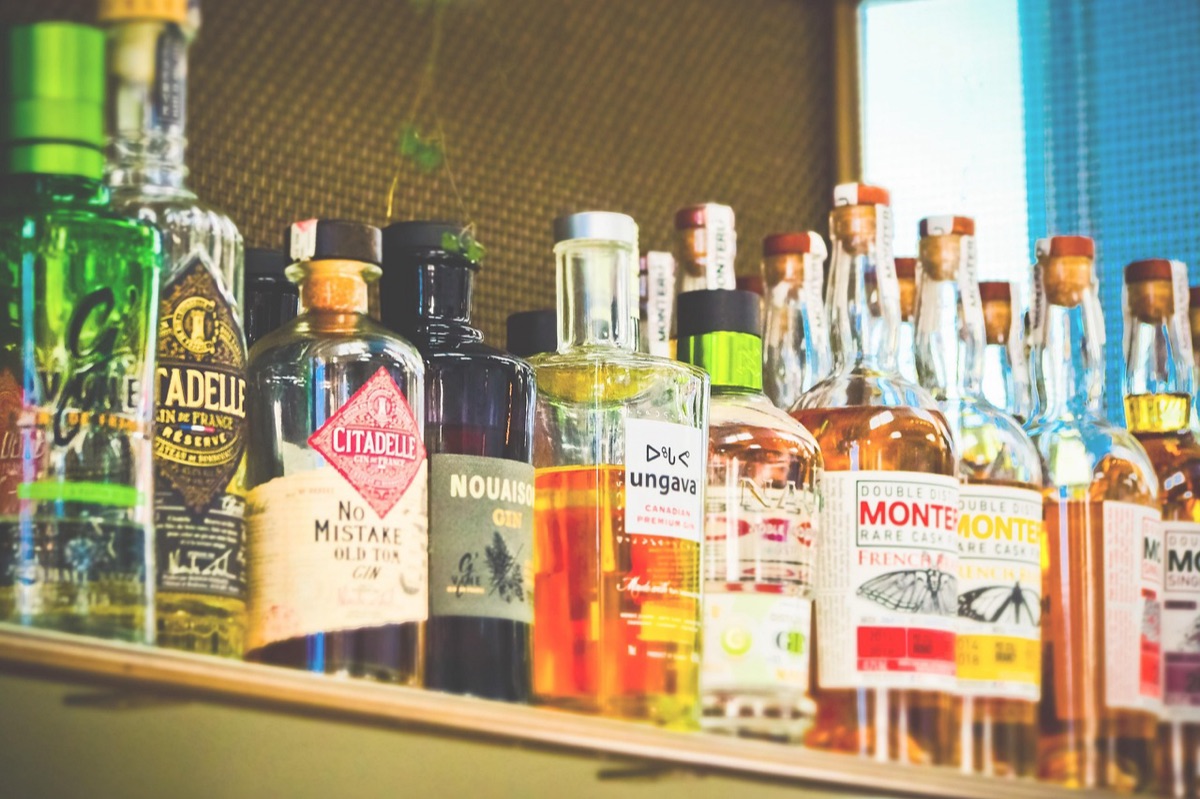
When I looked at the shelf placement, I noticed how the high-margin bottles were positioned right at eye level. I would suggest testing more premium labels in suburban locations to see if the margin increase offsets the slower turnover.
But how did the company reach this level of dominance?
How has the Coles Group structure influenced its retail dominance?
In a boardroom setting, executives look at decades of corporate evolution to understand current market strength. The history of the Coles Group is a testament to how structural changes dictate retail longevity.
The significance of ownership and stake management in large-scale retail operations cannot be overstated. For years, the group navigated complex corporate shifts, including the period surrounding the 2007 transition involving Wesfarmers.
These historical decisions shaped the current retail stability, allowing the group to build a resilient infrastructure.
The current structure allows for a diversified portfolio that can weather economic shifts. By maintaining a massive presence in both the grocery and liquor sectors, the group mitigates the risk of a downturn in any single category.
This stability is a direct result of decades of strategic maneuvering and capital management.
As of 2025, the centralized procurement model provides a significant advantage in negotiating with suppliers. The unified supply chain ensures that products move through the network with minimal delay. This structural cohesion supports a massive distribution footprint.
Large-scale distribution centers manage thousands of unique SKUs across the country. Delivery trucks often operate on 24-hour rotation cycles to maintain stock levels. Most regional hubs process shipments in 2~3 hour windows to ensure freshness.
Inventory levels are maintained within a 5% margin of error to prevent stockouts. Retail outlets often house 2,000 to 5,000 individual product units at any given time. Seasonal shifts require restocking cycles every 4~6 weeks.
When I walked through the warehouse, the sheer volume of organized pallet movement was impressive. It surprised me how much the centralized system simplifies the local store manager's daily tasks.
However, physical presence is only half the battle.
How does Coles leverage loyalty and data to drive liquor sales?
A customer receives a notification on their phone while walking through the aisles: "You have 500 Flybuys points waiting—use them for 20% off your favorite wine." This targeted nudge is the result of sophisticated data analytics.
According to the World Bank, the world recorded a high-technology share of manufactured exports of 24.7% in 2024.
Using these data-driven insights, Coles can personalize liquor promotions. If the data shows a customer frequently buys premium gin on Friday afternoons, they can send a targeted offer for a new gin release.
This level of precision increases the "basket size"—the total amount spent per visit—by turning casual shoppers into targeted buyers.
As of 2025, data-driven insights allow for highly personalized consumer targeting. Digital profiles track purchasing habits to predict future demand. These insights drive the precision of localized marketing efforts.
Personalized coupons are often sent via mobile apps 1~2 times per week. Targeted email campaigns reach millions of unique users simultaneously. Digital loyalty points can be redeemed for discounts ranging from $5 to $20 per transaction.
Data processing happens in real-time to update digital catalogs.
- Collect customer purchase history through the loyalty app.
- Segment users based on specific beverage preferences.
- Deploy targeted digital offers to the relevant segments.
- Monitor redemption rates to refine future targeting.
But how does this data-driven engine survive against local competitors?
What makes the Coles retail footprint a competitive edge? A delivery truck pulls into a loading dock at 4:00 AM, unloading crates of spirits that will be on the shelves by noon. This logistical precision is something a small, independent liquor store can rarely match.
The primary advantage of the Coles retail footprint is physical proximity. By integrating liquor outlets within or adjacent to supermarkets, Coles captures the "impulse" and "convenience" markets.
A customer doesn't need to make a special trip to a liquor store if the wine is already in their grocery cart.
| Feature | Coles Liquor (Integrated) | Specialized Liquor Retailer |
|---|---|---|
| Convenience | Extremely High (One-stop) | Moderate (Destination shopping) |
| Price Leverage | High (Bulk logistics) | Variable (Niche focus) |
| Data Integration | High (via Flybuys) | Low (Standalone) |
| Product Range | High Volume / Mass Market | High Niche / Premium |
While specialized retailers often win on "expert" selection, Coles wins on "accessibility." The challenge lies in balancing high-volume grocery sales with the need to offer enough premium variety to satisfy more discerning drinkers.
As of 2025, the physical presence in high-traffic areas provides an unmatched level of accessibility. The density of locations ensures that a store is almost always within a 10~15 minute drive for most residents. This proximity drives consistent foot traffic.
Stores are often located within 1~2 kilometers of major residential hubs. Most locations operate for 12~14 hours a day to capture different shopper demographics. The footprint includes hundreds of specialized outlets across various regions.
Each site manages a specific radius of approximately 5km for local delivery services.
When I visited a suburban branch, the convenience of the drive-through window was a major highlight. I realized that the proximity to residential streets is their strongest silent asset.
So, where does the company go from here?
What is the future outlook for Coles Liquor's growth strategy?
A customer clicks "order" on a smartphone app while sitting on their couch, and a delivery driver arrives at their door within the hour. This transition to digital fulfillment represents the next frontier of retail dominance.
The future of the liquor division lies in the convergence of e-commerce and rapid-delivery logistics. As consumer habits shift toward "instant gratification," the ability to fulfill an order within minutes of a tap becomes a critical competitive moat.
The group is likely to focus on expanding its digital presence to match its physical footprint. This includes enhancing the user interface of its shopping apps and integrating more seamless checkout experiences.
Investment in automated warehousing and smarter inventory management will likely continue. This will ensure that the right products are in the right locations at the right time, minimizing waste and maximizing availability.
Furthermore, the expansion of premium offerings within the existing footprint could capture a growing segment of luxury-seeking consumers. By offering curated collections, Coles can compete with boutique retailers without losing its mass-market appeal.
| Strategy Component | Focus Area | Expected Outcome |
|---|---|---|
| Digital Expansion | Mobile App & E-commerce | Increased frequency of purchase |
| Logistics Optimization | Automated Fulfillment | Lower operational costs |
| Premium Curation | High-end Beverage Lines | Higher average transaction value |
The transition from a physical-first to a digital-integrated model is not without risks. Maintaining brand identity while expanding into various formats requires careful management of the consumer experience.
#







Comments 0