Beer wine spirit comparison: A guide to selection
"The history of fermentation is as old as civilization itself, yet the way we categorize and value these liquids continues to vary by region, regulation, and culture."
Understanding the nuances of different alcoholic beverages helps in making informed choices based on flavor, alcohol content, and cost. This guide compares beer, wine, and spirits to clarify their fundamental differences and selection criteria.
Key takeaways: * Alcoholic beverages differ significantly in production methods and alcohol by volume (abv). * Taxation and cultural heritage play large roles in how these drinks are valued globally. * Nutritional profiles vary depending on the specific type of beverage selected.
How do alcohol types differences manifest in daily life?
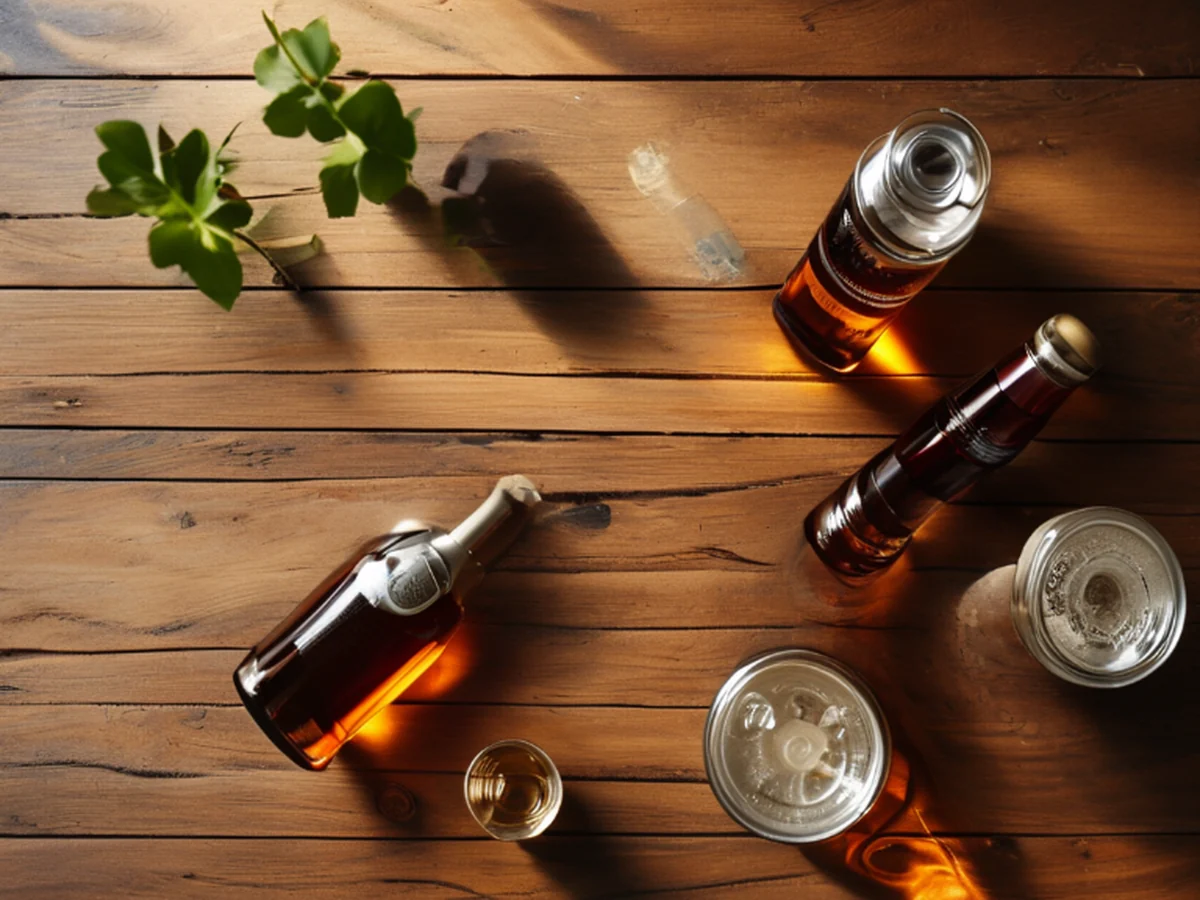
A person stands before a crowded bar, looking at the vast array of bottles and taps. They must decide between the refreshing fizz of a lager, the complex acidity of a vineyard harvest, or the concentrated strength of a clear spirit.
The primary difference lies in the method of production and the resulting alcohol concentration. Beer is typically fermented from grains, while wine is fermented from grapes, and spirits are often distilled from fermented bases to increase potency.
This fundamental distinction shapes the flavor profile and intended social setting for each drink.
The nuances of these categories are reflected in global traditions. In 2016, UNESCO inscribed Belgian beer culture on their list of the intangible cultural heritage of humanity. This recognition highlights how specific fermentation traditions become deeply embedded in societal identity.
Choosing a drink often involves navigating these historical and technical boundaries.
However, these distinctions may become less apparent when drinks are heavily mixed with sodas or juices.
What are the main beer vs wine vs spirits characteristics? Beer wine spirit comparison
During the sunset, I watched the golden beer swirl in my glass while feeling the sharp sting of carbonation on my tongue.
A sommelier pours a deep red liquid into a glass, while a bartender prepares a high-proof cocktail nearby. The scents of malt, fruit, and ethanol fill the air, highlighting the distinct personalities of each category.
The characteristics of these drinks are defined by their alcohol content and body. Beer generally has a lower alcohol by volume compared to wine, which sits in a middle range, while spirits possess the highest concentration.
These levels influence how much a person consumes in a single serving and the intensity of the experience.
| Beverage Type | Primary Characteristic | Typical Alcohol Range |
|---|---|---|
| Beer | Carbonated and Grain-based | Low to Moderate |
| Wine | Fruit-fermented and Acidic | Moderate |
| Spirits | Distilled and High-potency | High |
When considering an alcoholic drink guide, one must look at how these profiles interact with food and social environments. A light beer might suit a casual lunch, whereas a heavy spirit requires more careful sipping.
- Identify the base ingredient of the beverage.
- Assess the alcohol concentration.
- Evaluate the body and mouthfeel.
How to approach an alcoholic drink guide for better selection?
A customer walks through an aisle of glass bottles, reading labels to find the perfect pairing for dinner. They weigh the strength of the spirits against the lighter profiles of wine and beer.
Selecting the right drink involves understanding the intended use and the sensory impact. If you are looking for a refreshing beverage, beer often provides a lighter, effervescent option. For meals requiring acidity and tannin, wine is frequently the preferred choice.
For sipping or mixing, spirits offer a concentrated punch.
To refine your selection, consider these three steps: 1. Identify the occasion to determine the appropriate alcohol strength. 2. Match the flavor profile to your current meal or palate. 3. Check the alcohol by volume to manage consumption levels.
Always perform a final check of the label to ensure the flavor and strength meet your expectations. I once found that choosing a high-abv spirit for a casual afternoon was much more intense than expected.
In this sequence, the second step provides the most essential guidance.
How do the flavoring profiles of different liquors compare?
A glass of red wine catches the light, showing deep crimson hues, while a clear spirit reflects the room like a mirror. The aroma of a fermented grape juice differs sharply from the sharp scent of distilled grain.
The flavor profiles are a direct result of the ingredients and the distillation process. Wine relies on the characteristics of the fruit and aging processes, offering notes of acidity and tannins.
Beer often features malt sweetness and hop bitterness, while spirits provide a clean, intense expression of their base ingredients.
Comparing different liquors requires an appreciation for these varied sensory inputs. An alcoholic drink guide helps travelers and locals alike navigate these complexities. Understanding that a spirit is a distilled version of a fermented base explains why it is much stronger than wine or beer.
These flavor comparisons do not apply when the beverage is served in a cocktail format.
What are the nutritional aspects of these beverages?
A person examines the nutritional label on a bottle of wine, noting the calories and sugar content. They wonder how these values differ between a glass of red wine and a standard serving of beer.
Nutritional content varies significantly across different types of alcohol. For example, according to USDA FoodData Central, 100g of all types of table wine contains 83kcal and 2.72g of carbohydrates. In comparison, 100g of red table wine contains 85kcal and 2.61g of carbohydrates.
The presence of micronutrients also differs slightly. Red table wine, according to USDA FoodData Central, contains 0.46mg of iron and 127mg of potassium per 100g. These small variations can influence the choice of beverage during a meal.
Nutritional differences are often minimized when consuming beverages with high sugar content.
Why do tax rates affect the cost of beer, wine, and spirits?
A traveler looks at a menu in a foreign country and notices the price difference between a local beer and an imported spirit. They realize that government regulations play a role in the final cost.
Taxation is a major factor in the retail price of alcoholic beverages. According to a WHO 2023 report for 148 countries, the average excise tax rates were 17.2% for beer and 26.5% for spirits. These rates show how governments categorize and tax drinks based on their alcohol content.
The cost of a drink is not just about the liquid but also the regulatory environment. Higher alcohol content often leads to higher tax rates, making spirits more expensive per unit of volume. This economic reality is a key part of the beer wine and spirit comparison.
Is wine always lower in alcohol than spirits?
Yes, spirits are distilled to reach much higher alcohol concentrations than wine. While wine typically falls in a moderate range, spirits are much more potent.
Can the tax rate change based on the alcohol content?
Yes, tax rates often vary based on the alcohol by volume. For example, the tax on certain still wines with 16% or less alcohol by volume is $1.07 per gallon.
The comparison of beer, wine, and spirits reveals a world of diverse flavors, historical traditions, and regulatory structures. While beer offers refreshment and wine provides complexity, spirits deliver intensity, making each a unique tool for different social and culinary moments.
This overview is limited to the basic characteristics and documented data provided.
These tax implications do not account for local retail markups or service fees.
Choosing by alcohol content
Related




Comments 0