Spirits history: Flow of spirits history guide
"The risk to the drinker's health starts from the first drop of any alcoholic beverage."
The flow of spirits history is a journey from ancient fermentation to modern regulation. This guide explores the origins and characteristics of various drinks, from low-ABV brews to high-proof spirits.
You will learn about historical production, common alcohol contents, and the health implications of consumption.
Key takeaways: * Ancient fermented drinks date back to the Neolithic period. * Alcohol content varies widely, from beer to high-proof spirits. * Health risks are present from the first drop of consumption.
How did the flow of spirits history begin?
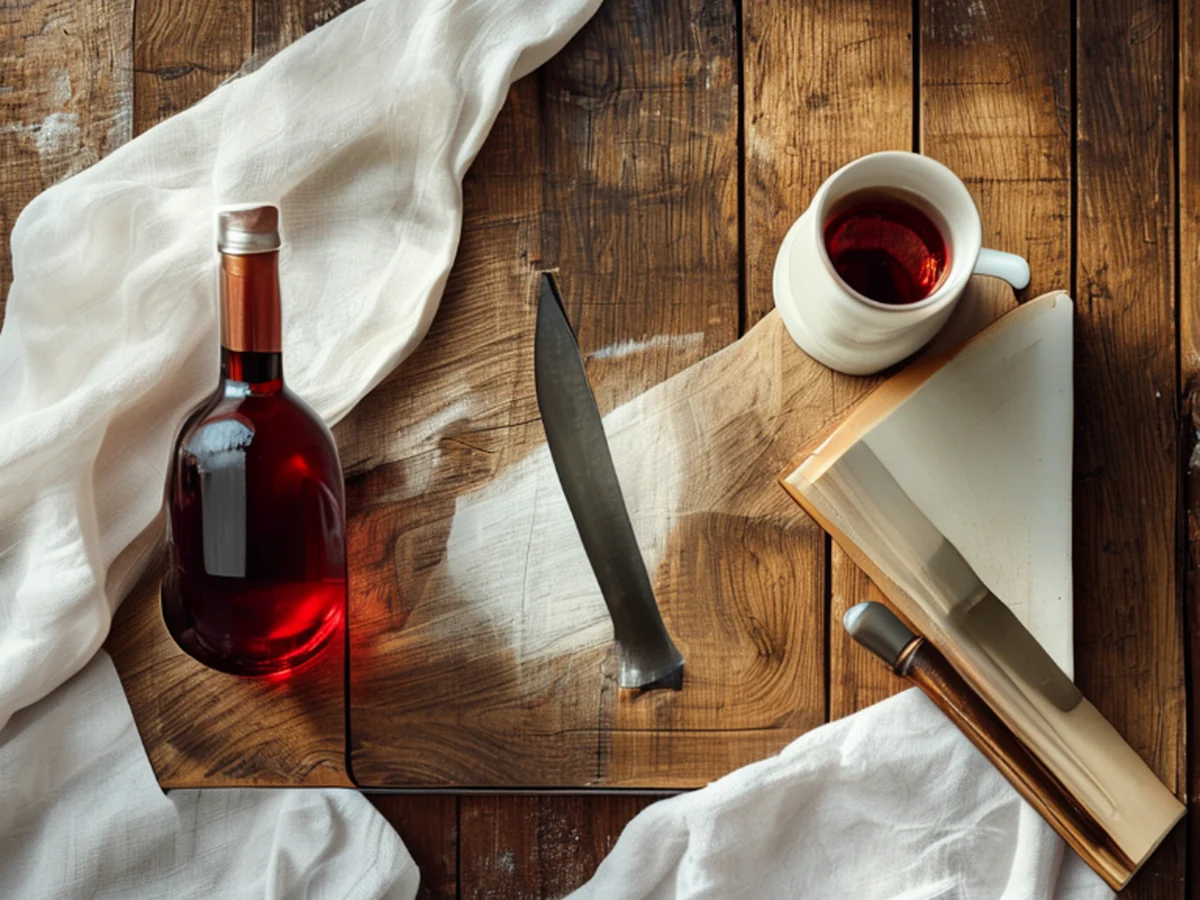
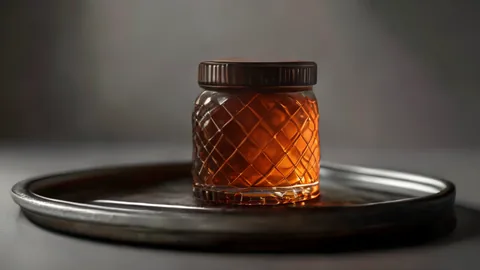
In the dim light of an ancient cave, a hand traces the rough clay of a primitive vessel that first carried the flow of spirits.
A hand brushes against the coarse surface of a late Stone Age jug, its shape hinting at a time when fermentation was a new discovery. These ancient vessels suggest that intentionally fermented drinks existed at least as early as the Neolithic period.
The spirit flow and history of human civilization is deeply tied to these early vessels.
The discovery of late Stone Age jugs suggests that intentionally fermented drinks existed at least as early as the Neolithic period. This early experimentation laid the groundwork for the diverse beverages we recognize today.
Such ancient tools show how humans first began to manipulate natural processes for flavor and preservation.
The timeline of brewing is long and varied. In Hierakonpolis, Egypt, the remains of a brewery dating to circa 3400 BCE were unearthed, showing an estimated yield of up to 1135 litres per day. This massive scale of production highlights the importance of alcohol in early societies.
- Early civilizations discovered fermentation through natural processes.
- Distillation techniques were developed to increase potency.
- Global trade routes expanded the availability of various spirits.
What is the taste of alcoholic drinks across different types?
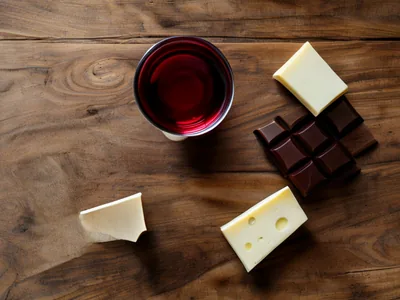
A glass of dark, heavy liquid sits on a wooden table, its aroma thick with the scent of grain. The taste of alcoholic drinks is defined by their fermentation and distillation processes. Most beverages are typically divided into three classes: beers, wines, and spirits.
The alcohol content in these categories varies significantly. For instance, beer typically has a lower alcohol content, while wine involves a longer fermentation process and often a long aging process, resulting in an alcohol content of 9%–16% ABV.
Spirits are different, being unsweetened, distilled, alcoholic drinks that have an alcohol content of at least 20% ABV.
Different beverage styles offer unique profiles. Mead may range in alcohol content from as low as 3% ABV to more than 20%. Traditional English ciders can vary from 1.2% ABV to 8.5% or more.
Choosing the right spirit depends on whether one prefers the light profile of cider or the strength of distilled drinks.
| Beverage Type | Typical ABV Range |
|---|---|
| Wine | 9%–16% |
| Spirits | 20% or higher |
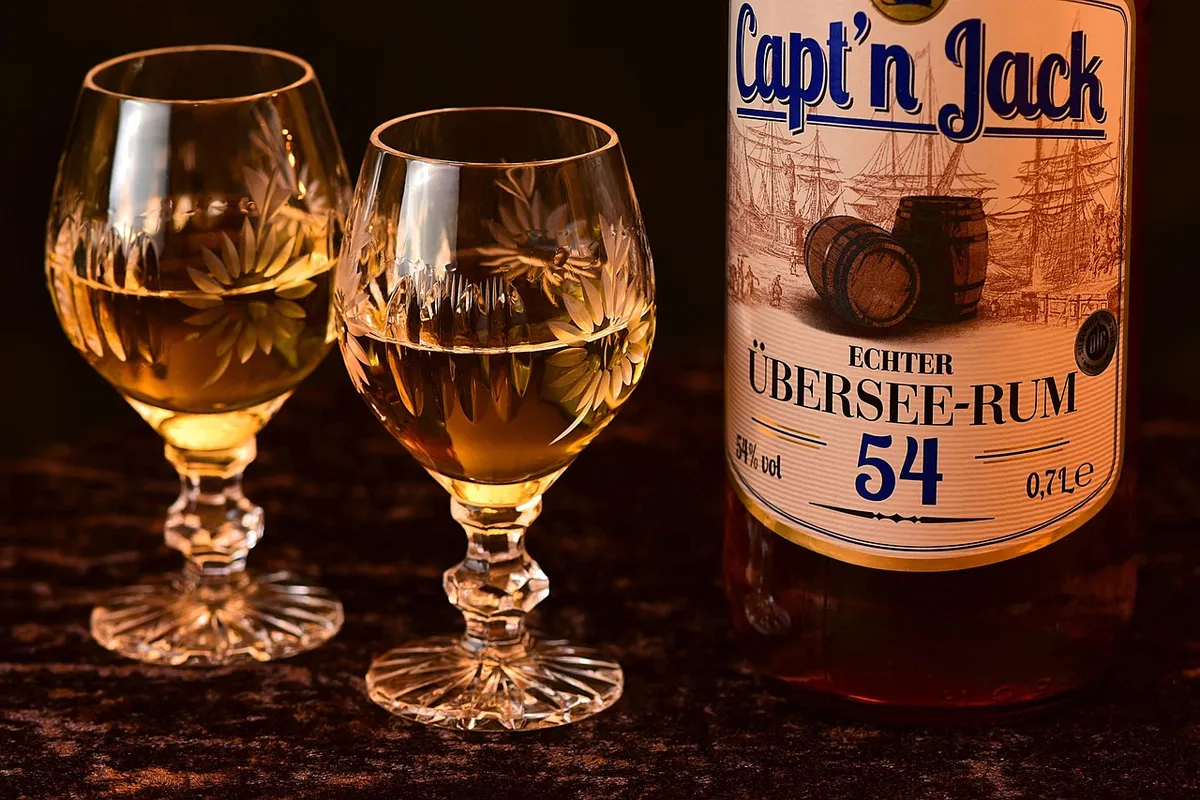
I once tasted a modern reproduction of an ancient Egyptian recipe, which produced a brew at 5 percent ABV. This comparison shows how much the strength of drinks has changed over millennia.
In this sequence, the second point is the most detailed.
How do you practice choosing the right spirit?
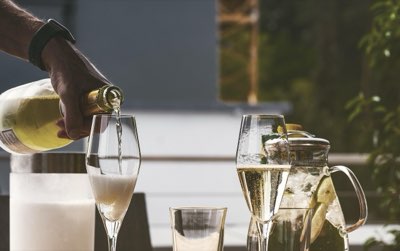
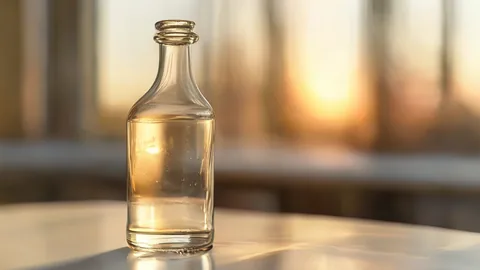
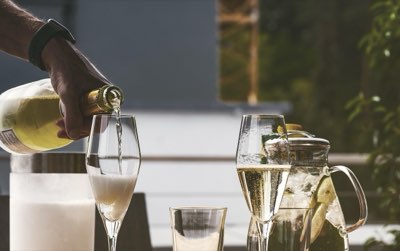
A person carefully pours a clear liquid into a small glass, observing the way it catches the light. Selecting a beverage often involves understanding the specific alcohol content and style. The spirit's unique traits are often a result of the base ingredients and the distillation method used.
To understand the options, consider these categories: 1. Identify the base: Choose between fermented grains, fruits, or honey. 2. Check the ABV: Note that common distilled drinks like whisky or vodka are around 40% ABV. 3. Determine the style: Decide between beer, wine, or high-proof spirits.
A final check involves tasting the beverage to see how the alcohol level affects the flavor profile. For example, distilled spirits are much stronger than fermented beverages. Understanding these differences helps in navigating the vast array of available drinks.
What are the health risks involved in an alcoholic drink journey?
A person looks at a health report, noting the statistics regarding global mortality. The alcoholic drink journey is not without significant risks to human health.
According to a 2023 World Health Organization news release, the risk to the drinker's health starts from the first drop of any alcoholic beverage.
The consequences of use can be severe. According to a 2024 World Health Organization (WHO) report, these harmful consequences of alcohol use result in 2.6 million deaths annually, accounting for 4.7% of all global deaths. These figures highlight the massive scale of the public health challenge.
Awareness levels also vary by region. A 2019 survey conducted by the American Institute for Cancer Research (AICR) showed that only 45% of Americans were aware of the associated risk of cancer due to alcohol consumption, up from 39% in 2017.
This indicates that while awareness is growing, many remain uninformed.
How is an alcohol content measured?
A scientist adjusts a measuring tool to determine the exact concentration of a liquid. Understanding the alcohol content is vital for both production and health monitoring. The size of a standard drink varies from 8g to 20g across countries, making global comparison difficult.
However, certain standards exist for health assessments. For example, 10g alcohol (12.7 milliliters) is used in the WHO Alcohol Use Disorders Identification Test (AUDIT)'s questionnaire form example, and has been adopted by more countries than any other amount.
This provides a common baseline for many health professionals.
The definition of "alcoholic" can also change. The exact amount on which a beverage is considered alcoholic differs by country, with some considering drinks containing less than 0.5% to be non-alcoholic. This variability can impact how people perceive their consumption levels.
The subject here is Flow of spirits history.
This part also covers Liquid history untold.
This part also covers Flavor profiles explored.
Related
Comments 0